



Why Is Noise a Concern in Factories?

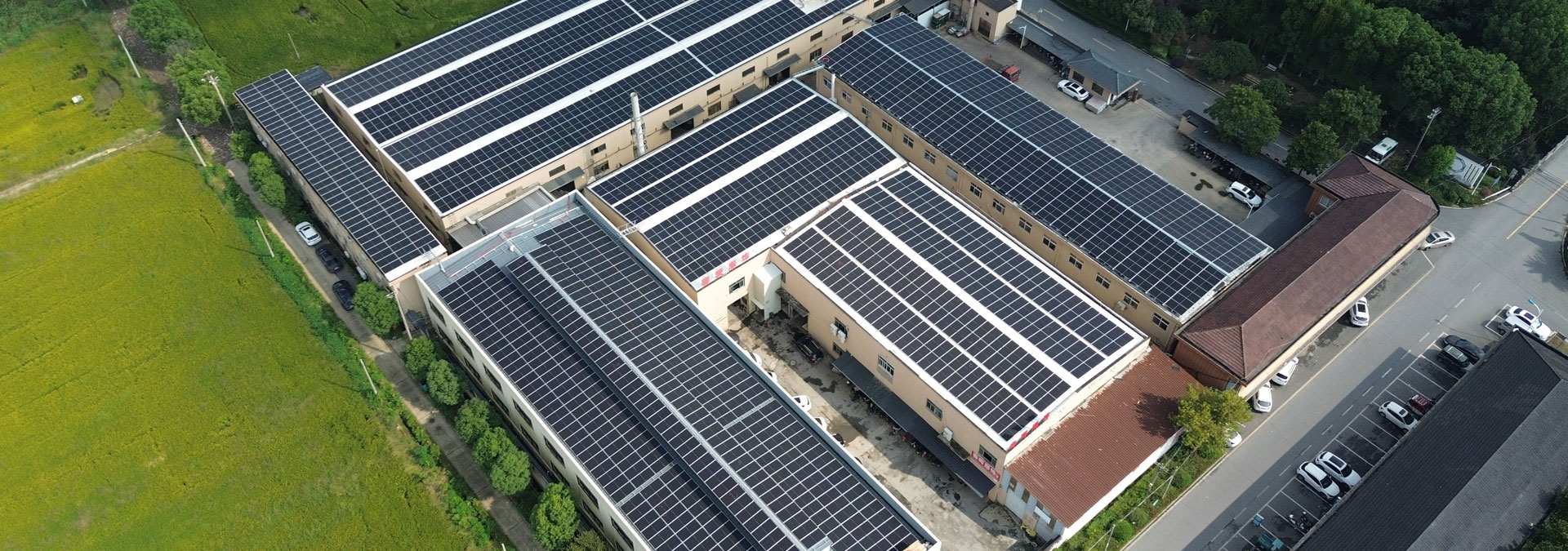
Factories tend to be loud places, filled with the steady drone of heavy machinery, the clatter of conveyor systems, the rumble of forklifts and other transport equipment, and the ongoing sounds of production processes. At first glance these noises might appear routine or minor, but their persistent, unrelenting presence builds up over hours, shifts, and years, creating a serious challenge to workers'focus, comfort, and overall health.
- Impact on Productivity: Continuous background noise interferes with concentration, making it harder for employees to maintain attention on detailed or complex tasks. Over time this distraction translates directly into lower output, slower work rates, more errors, and reduced overall efficiency on the floor.
- Health Effects: Prolonged exposure to high levels of industrial noise commonly results in permanent hearing damage or loss. Beyond the ears, it also contributes to chronic stress, elevated blood pressure, persistent fatigue, sleep disturbances (even when away from work), and a general sense of strain that affects both physical and mental well-being.
- Accident Risks: In a noisy setting, important auditory signals—such as warning alarms, shouted instructions, approaching vehicles, equipment malfunctions, or calls for help—become muffled or masked. This reduced ability to hear critical cues heightens the likelihood of mishaps, near-misses, and serious injuries, turning everyday operations into higher-risk activities.
Controlling factory noise is far more than a matter of improving comfort or meeting basic regulations. It directly supports safer working conditions, helps preserve workers'long-term health, sustains higher levels of focus and performance, and lowers the probability of costly incidents. Creating a quieter, more controlled acoustic environment is a practical investment in both people and productivity.
How Do Noise-Reducing Roof Tiles Work?
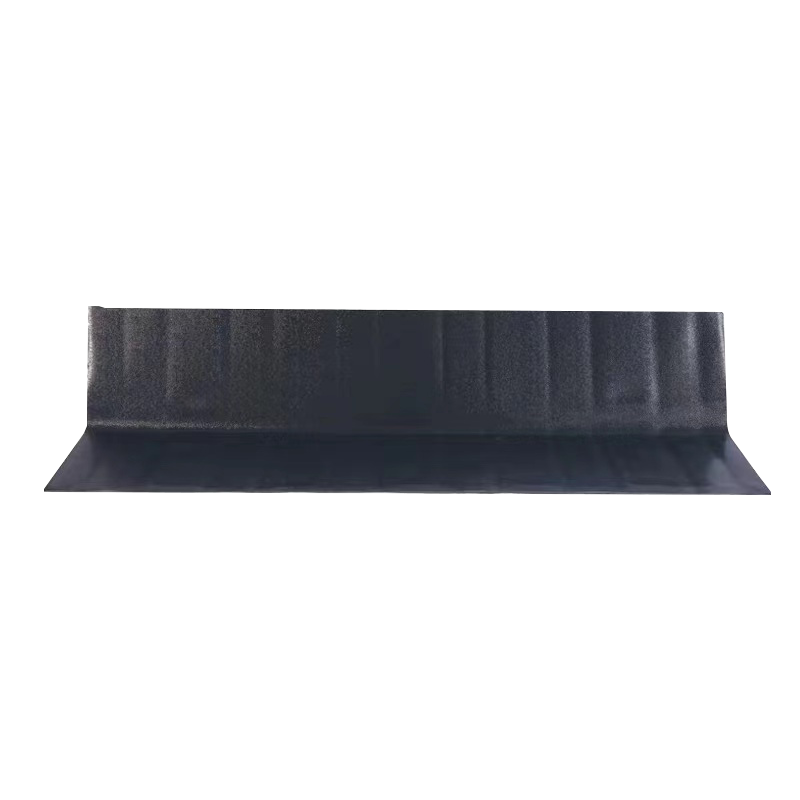
Noise-reducing roof tiles are engineered specifically to lower the amount of unwanted sound that penetrates into the building below. Rather than allowing exterior noises to travel freely through the roof structure, these tiles actively intercept, weaken, or redirect sound waves to keep indoor environments noticeably quieter.
- Material Composition: These specialized tiles are typically constructed in multiple layers using dense, composite materials chosen for their ability to absorb and dissipate vibrational energy. The layered design excels at capturing high-frequency sounds—such as the steady drone of factory machinery, the sharp patter of heavy rain, or wind-driven impacts—and converting that acoustic energy into minimal heat instead of letting it reverberate downward into the space.
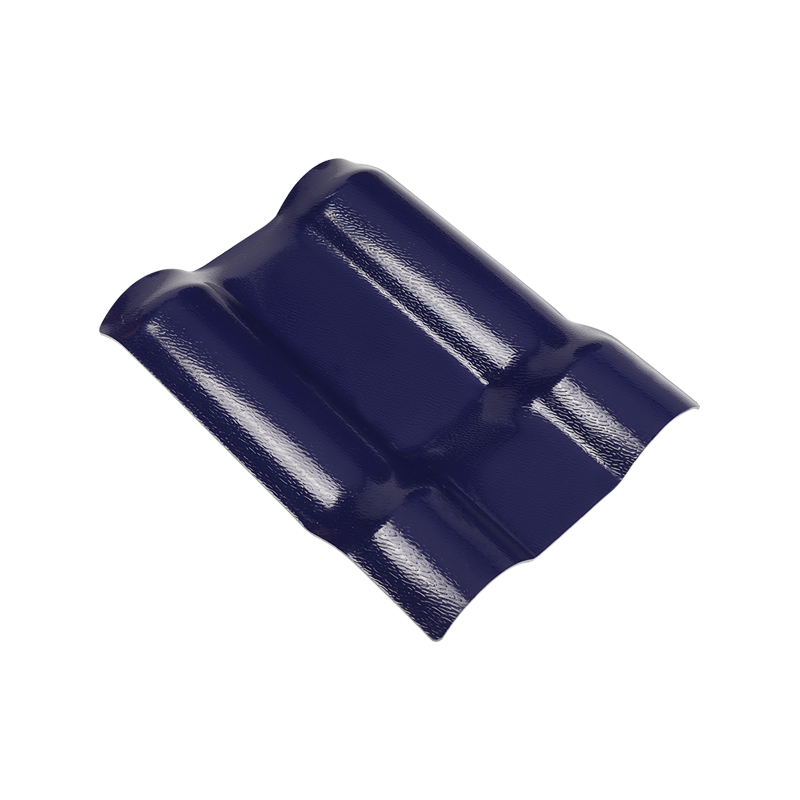
- Surface Design: Many noise-reducing tiles feature intentionally textured or patterned top surfaces, incorporating subtle ridges, channels, micro-perforations, or irregular contours. These elements work to scatter incoming sound waves in multiple directions rather than allowing them to reflect cleanly and intensely. By breaking up coherent reflections, the tiles help prevent echo buildup and reduce the overall intensity of noise that reaches interior ceilings and walls, especially in expansive or open-plan industrial settings.
- Vibration Dampening: The core of many of these tiles includes high-mass, damping compounds or viscoelastic layers that trap mechanical vibrations before they can transmit through the roof deck. This mass-loaded approach is particularly effective against low- to mid-frequency noises and structural vibrations caused by heavy equipment, traffic, or environmental forces, providing stronger overall sound insulation where it matters most.
Noise-reducing roof tiles function as a built-in, passive acoustic barrier. By combining absorption, diffusion, and vibration isolation at the roof level, they cut down on intrusive external and impact-generated sounds without requiring separate interior treatments, suspended ceilings, or additional acoustic panels. The result is a quieter, more comfortable, and more productive workspace—achieved through intelligent material and design choices integrated directly into the roofing system itself.
Can These Tiles Improve Worker Productivity?
Reliable findings make it clear: cutting workplace noise produces real, positive effects on output and performance quality. A quieter space keeps people more comfortable physically and mentally, allowing them to stay alert and effective over long hours without as much strain.
- Keener Concentration & Faster Work: By taming unnecessary background clamor, mental bandwidth is freed up for the actual job. Employees get interrupted less often by stray sounds, catch verbal directions the first time, commit fewer slip-ups caused by divided attention, and complete both single steps and full work cycles in noticeably less time.
- Lower Exhaustion & Better Resilience: Steady loud noise quietly taxes the body and mind—elevating stress chemicals, fogging judgment, and speeding up tiredness. Bringing the sound level down offers genuine relief to the nervous system, preserves more consistent energy through the day, reduces irritation buildup, and helps protect against longer-term burnout and stress-related issues.
- Improved Ability to Spot Dangers: When the overall sound floor drops, key audio warnings become far more distinct: fire alarms, reversing-vehicle beeps, urgent verbal alerts, unusual equipment noises, or evacuation calls. Hearing and reacting to these cues promptly cuts down on near-misses, avoids injuries, and creates a demonstrably safer environment for everyone.
Distribution centers, assembly lines, and similar high-noise settings that install well-performing acoustic ceiling panels or wall absorbers regularly experience tangible improvements: workflows become steadier and less choppy, focus remains strong even late in shifts, avoidable errors fall off, and overall productivity rises in ways that show up in output numbers and performance metrics.
Are Noise-Reducing Roof Tiles Cost-Effective?
Although noise-reducing roof tiles may initially cost more than traditional roofing options, their long-term benefits make them a smart investment.
- Indirect Savings: Reduced stress and increased productivity often translate into higher overall output. Fewer distractions mean workers work faster and more efficiently.
- Cost-Effective Installation: These tiles can be installed alongside new construction or during renovations. Once in place, they require minimal maintenance, making them a cost-effective solution over time.
- No Need for Retrofitting: Instead of installing additional soundproofing after construction, noise-reducing tiles can help avoid costly retrofits.
| Feature | Standard Roof Tiles | Noise-Reducing Roof Tiles |
|---|---|---|
| Noise Control | Low | Moderate to High |
| Worker Comfort | Medium | High |
| Maintenance Requirements | Low | Low |
| Installation Complexity | Moderate | Moderate |
| Long-Term Benefits | Low | Moderate to High |
Do Noise-Reducing Tiles Support Other Environmental Goals?
Many of the latest acoustic tile solutions go far beyond controlling sound—they actively support factories'efforts toward greater sustainability and lower environmental impact.
- Reduced Structural Demands: Numerous contemporary noise-reducing tiles are engineered to be exceptionally lightweight compared to conventional ceiling systems. This lower weight often means the building's roof structure, beams, and supports can be designed with less material overall. The result is a direct reduction in the volume of steel, concrete, or other resources needed during construction, cutting the project's embodied carbon emissions from the ground up.
- Greener Raw Materials: A wide selection of today's acoustic tiles incorporates high percentages of post-consumer recycled content, rapidly renewable plant-based fibers, or low-emission manufacturing processes. Choosing these products helps operations decrease dependence on newly extracted resources, boost circular-economy practices, and improve scores on sustainability audits, LEED-style certifications, or corporate ESG reporting.
- Passive Energy Savings: Certain tile families feature highly reflective facings or include insulating core materials that help stabilize indoor temperatures. By reflecting solar heat away in summer and adding modest thermal resistance year-round, these surfaces lessen the workload on heating and cooling systems—leading to lower electricity or fuel use, reduced peak demand charges, and smaller greenhouse-gas emissions tied to HVAC operation.
Factories that strategically install these multi-benefit noise-reducing tiles commonly achieve several wins in one move: noticeably quieter production environments, lighter construction footprints, stronger environmental performance records, and ongoing reductions in energy consumption and operating costs.
Which Factors Affect Tile Performance?
Here are the key factors that influence the performance of noise-reducing tiles, rephrased for clarity:
Roof geometry: The height of the roof and its pitch affect how sound waves propagate and strike the surface. Steeper or taller roofs can change the angle and intensity of incoming noise.
Span and structural layout: Wider roof spans often demand specially engineered tile profiles or patterns to maintain consistent sound reduction across the entire area.
Material properties of the tiles:
- Density — Heavier, more compact tiles generally handle vibration transmission and resonance better than low-density ones.
- Thickness — Greater thickness typically improves the ability to dampen sound energy.
- Surface texture and finish — The roughness, porosity, or patterning of the tile face can influence how sound reflects or gets absorbed.
Tile construction type: Designs that incorporate multiple layers, composite materials, or built-in damping elements usually provide superior sound attenuation compared to single-layer tiles.
Installation workmanship: The single biggest variable in real-world performance. Misaligned tiles, inconsistent overlaps, gaps between units, or inadequate fastening create weak points where noise can penetrate or bypass the intended barrier. Careful alignment, proper sealing of joints, and accurate placement are essential for uniform results across the whole roof.
Environmental durability: The tiles must continue performing acoustically after prolonged exposure to temperature extremes, freeze-thaw cycles, heavy rain, UV radiation, and strong winds. Material selection that resists degradation, warping, or loss of internal damping properties is necessary to preserve long-term noise reduction.
These elements together determine how effectively the tiles reduce rain noise, traffic sounds, aircraft overflights, or other external disturbances reaching the interior.
Can These Tiles Handle Industrial Weather Conditions?
These specialized tiles are engineered specifically to maintain both structural integrity and acoustic performance in demanding industrial environments, where roofs face constant exposure to severe weather.
- Overall weather durability High-performance noise-reducing tiles resist prolonged heat, freezing temperatures, heavy rainfall, hail, snow loads, and intense UV radiation without significant degradation of their sound-attenuation capabilities.
- Rain and wind performance Properly installed tiles effectively block the loud "drumming" or "tinkling" noise typical of metal, thin composite, or low-quality roofs during heavy rain or high winds. The tile's mass, internal damping layers, and surface design work together to prevent raindrop impact from turning into amplified interior sound.
- Extreme temperature cycling Quality tiles are formulated to handle wide and rapid temperature swings (common in industrial zones with day/night shifts, exhaust heat, or cold storage proximity) without cracking, warping, delaminating, or losing internal vibration-damping effectiveness. This ensures consistent noise reduction year after year.
- Additional storm protection features Many designs incorporate integrated water-shedding profiles, sealed interlocking edges, and hydrophobic or water-resistant under-layers. These elements keep water from pooling or infiltrating while further reducing the acoustic energy transferred by rain impact—even during intense thunderstorms.
How Do Factories Integrate These Tiles in New and Existing Buildings?
Noise-reducing roof tiles offer practical integration options for both brand-new factory construction and upgrades to older facilities, making acoustic improvement accessible regardless of the building's age or current roof type.
New construction projects The easiest and most effective approach is to specify noise-reducing tiles right from the architectural and engineering design stage.
- Roof pitch, load requirements, drainage patterns, and ventilation can all be optimized around the chosen tile system.
- Tiles can be selected to match the factory's exact noise sources (e.g., heavy machinery, stamping presses, HVAC), desired interior sound levels, and any regulatory or comfort targets.
- Full integration means the acoustic performance is built-in from day one, with no later compromises in roof geometry or structural detailing.
Retrofitting / upgrading existing buildings These tiles are well-suited for replacement during scheduled roof maintenance, re-roofing, or planned renovations.
- In most cases they can directly substitute for conventional roofing materials (asphalt shingles, metal panels, built-up roofing, etc.) using the existing roof deck and support structure—no major reinforcement is typically required.
- Installation follows standard re-roofing sequences: remove old covering, inspect and repair deck if needed, install underlayment or barrier as specified, then lay the new acoustic tiles with proper overlaps, fasteners, and flashings.
- For facilities needing even greater noise reduction, supplemental acoustic treatments (such as internal ceiling baffles, hanging absorbers, or added under-roof insulation layers) can be added at the same time without changing the tile choice.
- Because re-roofing is usually done in sections or during planned shutdowns, the upgrade can often be completed with minimal interruption to production.
What Other Benefits Do Noise-Reducing Factory Building Roof Tiles Provide?
In addition to reducing noise, these tiles offer several other important benefits.
- Safety: A quieter environment improves communication and reduces distractions, helping workers respond more quickly to safety alerts and instructions.
- Thermal Insulation: Some tiles provide mild insulation, helping to regulate the factory's temperature. This can reduce the load on HVAC systems and contribute to energy savings.
- Aesthetics: Noise-reducing tiles often feature sleek, modern designs that enhance the overall appearance of the building. This can be an important consideration for factories looking to create a positive impression on visitors or clients.
By investing in noise-reducing roof tiles, factories improve not just the sound quality of their workspaces but also their overall operational efficiency and environmental performance.

 Email:
 Phone:
 Adress: