



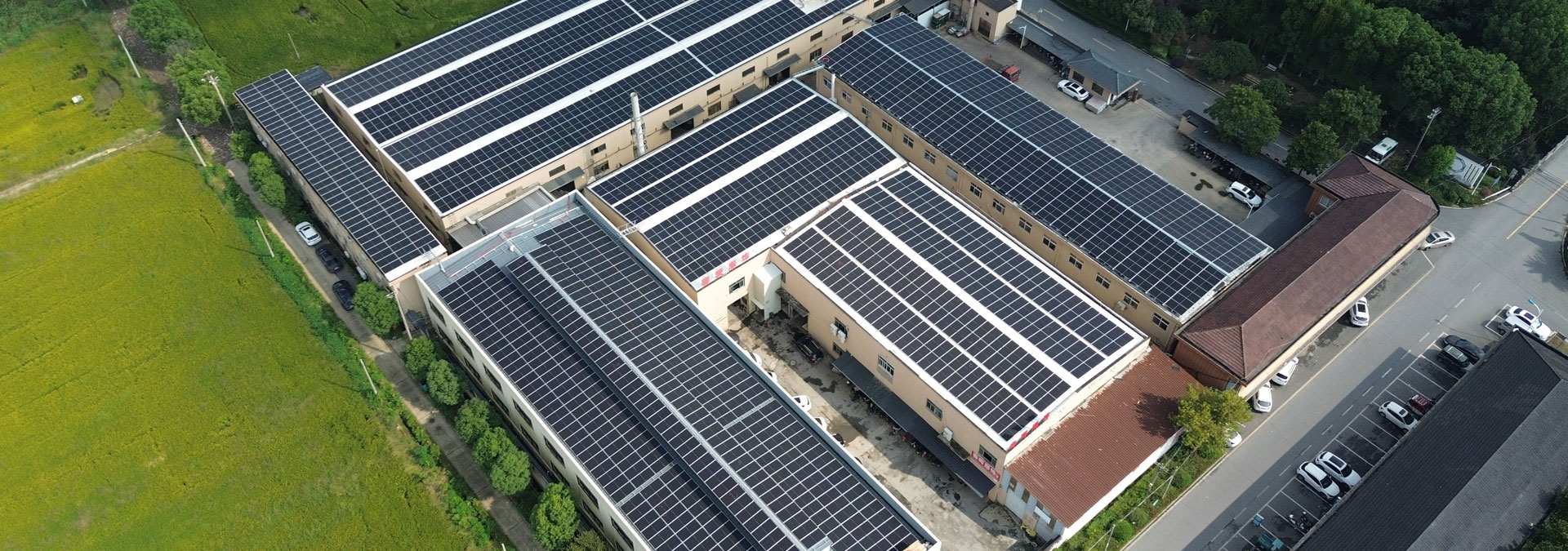
Environmental awareness is influencing construction and real estate decisions. Property owners, developers, and buyers increasingly consider sustainability when evaluating a building. Roofing, as a highly visible and functional part of any structure, has a growing role in these considerations. Environmentally friendly roofing materials provide a unique combination of durability, efficiency, and aesthetic appeal. Their presence can subtly influence perceptions and long-term value.
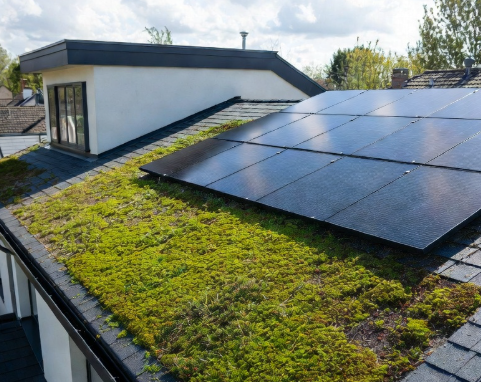
Industry discussions reveal that these materials are no longer niche choices. They are becoming practical options that balance maintenance needs, energy management, and visual appeal. Understanding the link between eco-friendly roofing and property value helps stakeholders make informed decisions.
How Do Environmentally Friendly Roofs Influence Market Perception?
The roof is usually one of the first things buyers notice when they pull up to a house, so its appearance carries real weight. Roofs built with sustainable materials—whether green/living roofs, cool roofing that reflects heat, recycled composites, or high-efficiency tiles—quickly signal modern, conscientious design. Most people don't need technical expertise to sense that extra thought and responsibility went into the choice; it simply looks and feels like a deliberate upgrade.
A roof that's clearly well-maintained and eco-focused quietly tells buyers the owners have been thinking years ahead. It suggests careful attention to performance, longevity, and running costs rather than short-term fixes. Buyers frequently connect these qualities with lower utility bills, fewer unexpected repairs, and better resilience against weather—so the property starts to feel like a financially savvy pick. That impression can nudge people to move faster, bid more competitively, or accept a slightly higher price because they see lasting value already built in.
The positive effect often ripples outward. An environmentally thoughtful roof rarely stands alone; it usually fits into a bigger picture of intentional choices—pre-wiring or structural readiness for solar, smart drainage to manage rainwater, superior insulation that keeps indoor temperatures steady, or other low-impact features. Buyers sense this unified approach and tend to view the whole home as practical yet progressive: designed with both today's comfort and tomorrow's realities in mind.
Eco-friendly roof goes well beyond basic protection. It quietly shapes how the entire property is judged—more contemporary, more responsible, better maintained, and more appealing in ways that blend curb appeal with real, perceived long-term benefits.
Can Energy Efficiency Add Financial Value?
Energy performance directly impacts operational costs. Eco-friendly roofing materials often improve insulation, reflect sunlight, or support natural cooling. While exact savings vary, lower energy bills are attractive to occupants.Energy-conscious buyers may prioritize properties with reduced operational costs. A roof that contributes to consistent temperature control signals efficiency. Over time, this perception can influence property valuation and buyer preference.
Here is a simple comparison:
| Feature | Conventional Roof | Eco-Friendly Roof |
|---|---|---|
| Energy Efficiency | Standard | Improved thermal regulation |
| Maintenance Frequency | Moderate | Reduced with durable materials |
| Buyer Perception | Standard | Modern and responsible |
| Long-Term Value Impact | Stable | Potential increase due to efficiency |
The link between perceived energy efficiency and value is often indirect but influential. It shapes impressions that affect decisions during sale or lease.
Does Environmental Sustainability Affect Buyer Interest?
Environmental consciousness continues to rise around the world, and more homebuyers now factor a property's ecological footprint into their decisions. A house featuring environmentally friendly roofing—whether through cool materials, green/living systems, recycled content, or high-efficiency designs—often stands out to people who prioritize sustainable living and want their home to reflect those values.
When two properties are otherwise very similar in size, layout, location, and condition, the presence of sustainable roofing can tip the scales of interest noticeably. Buyers tend to gravitate toward the one that feels more forward-thinking and responsible. An eco-conscious roof signals that the home aligns with larger green principles—lower energy use, reduced environmental strain, better long-term resilience—which can make it feel like a smarter, more intentional choice compared to a standard roof on an otherwise identical house.
The appeal goes beyond simple marketing appeal. For some buyers, especially those planning long-term ownership or resale, sustainable features carry practical weight. Certain lenders, investors, and even insurance providers increasingly see green elements as indicators of lower future risk: anticipated savings on utilities, stronger durability against climate stresses, and sustained or growing market demand. While these factors don't always translate directly into higher appraisals, they can quietly support stronger offers, smoother financing, or greater perceived stability in the property's value.
In today's market, environmentally friendly roofing doesn't just protect the structure—it helps position the entire home as more desirable to a growing segment of buyers who care about sustainability. It creates a meaningful point of difference that can draw more serious interest, quicker decisions, and, in many cases, a competitive edge over comparable properties without those features.
How Does Longevity of Materials Impact Value?
Durability forms the foundation of wise, forward-looking property ownership. A growing number of environmentally friendly roofing options are purpose-built to deliver significantly longer lifespans and superior toughness against everyday and extreme weather stresses—intense sunlight and UV breakdown, pounding rain, high winds, dramatic temperature shifts, ice expansion, or repeated freeze-thaw damage. These materials aren't just meant to hold up for a few years; many are designed to perform reliably for decades with minimal degradation.
That extended performance creates clear, everyday benefits that buyers readily appreciate. Major roof replacements get deferred far into the future, sometimes by a decade or two compared to traditional choices, which keeps big-ticket costs off the near-term horizon. Routine upkeep stays lighter as well—less patching for splits or leaks, fewer touch-ups for fading or granule loss, and generally lower demands on time and money. Even without knowing the engineering details, most people can sense when a roof looks solid, stays watertight, and continues to perform year after year; it registers as a genuine strength rather than a potential headache waiting to happen.
The advantages break down into two main layers. Tangible ones are straightforward and measurable: meaningful reductions in energy expenses thanks to better thermal performance or heat reflection, postponed capital outlays for replacement, and in some cases lower insurance or maintenance reserves because of the roof's proven resilience. The intangible side is equally compelling—quiet confidence for the current owner that the roof won't demand sudden attention, and a reassuring signal to future buyers that the home was constructed with quality and longevity in focus.
From a market standpoint, a truly durable, low-maintenance roof adds real weight to a property's appeal and perceived worth. It quietly communicates care, foresight, and reduced risk, helping the home stand out as more dependable and valuable than comparable properties with shorter-lived or higher-maintenance roofs. That combination of practical savings and emotional reassurance often translates into stronger buyer interest, steadier pricing, and a sense of built-in security that lasts well beyond the initial sale.
Can Aesthetic and Design Flexibility Influence Price?
Eco-friendly roofing materials are available in a wide range of styles, colors, and textures. This variety makes it easier to achieve architectural harmony and maintain (or even enhance) the overall look of a property and its surroundings.
A roof that looks attractive and well-integrated often improves first impressions. Many buyers form quick judgments based on how well a home appears to fit its neighborhood or reflect current design preferences. When a sustainable roofing option aligns with modern trends while preserving visual appeal, it can make the property more marketable and desirable.
The ability to combine strong environmental performance with tailored aesthetics allows homeowners to meet both practical and stylistic needs. This balance frequently creates a higher perceived value for the home—often noticeably more than what a standard, dated, or purely functional roof can offer.
How Do Regulatory and Incentive Programs Play a Role?
Regulatory requirements and incentive programs often add real, tangible value to homes equipped with eco-friendly roofing.
A growing number of cities, counties, and regional governments actively support sustainable construction through targeted incentives. Common examples include cash rebates paid after installation, property or income tax credits, favorable low-interest loans, faster or simplified permitting processes, and even matching grant funds for approved green roofing projects. When a home already qualifies for—or has recently claimed—these benefits, the effective cost of ownership drops noticeably. Prospective buyers tend to see this as an immediate financial edge, positioning the property as a more intelligent purchase compared to similar homes without such advantages.
Even if a buyer has no immediate plan to pursue the incentives personally, knowledge that the roof is already aligned with (and often pre-qualified for) these programs creates a sense of embedded value. The installation is viewed as having locked in savings, lowered long-term utility bills, or shielded the property from escalating energy and compliance costs—factors that frequently increase buyer enthusiasm and willingness to pay a premium.
Separately, in locations where no current rebates or credits are available, a roof that already complies with—or exceeds—today's environmental and energy-efficiency standards still carries strong appeal. With building codes and performance mandates steadily becoming stricter across many regions, forward-thinking buyers recognize that these homes are far less likely to face expensive mandatory upgrades, repeated inspections, or non-compliance fines in the coming years. This built-in protection against future regulatory burdens is widely regarded as a meaningful advantage, enhancing the property's marketability and contributing to higher perceived (and often realized) value.
Does Resale Potential Increase With Eco-Friendly Roofing?
Homeowners and developers consistently prioritize improvements that preserve or increase a property's enduring worth, and sustainable roofing solutions stand out as reliable performers in this category. These materials convey deliberate foresight, exceptional build quality, and a clear dedication to superior standards—qualities that allow a home to differentiate itself positively in the eyes of motivated buyers and during professional valuations.
Modern appraisers move beyond superficial looks to weigh tangible, performance-oriented characteristics more heavily. When a roof visibly enhances energy performance, bolsters insulation quality, and provides superior longevity, it frequently justifies a more favorable assessed value. Buyers gain a straightforward understanding of lifetime ownership expenses: meaningfully lower monthly energy costs, minimized risk of unanticipated fixes or premature roof replacement, and reassurance that the system will deliver dependable protection for many years ahead.
In the evolving real estate environment—particularly in markets where ecological awareness continues to grow—eco-conscious roofing emerges as a distinctive advantage. Homes equipped with these features often generate heightened interest, draw more qualified buyers, move through the listing phase more quickly, and commonly sell at or above the asking price. The fusion of updated visual appeal, proof of intelligent and forward-thinking decisions, and demonstrable long-term savings strengthens the seller's position in discussions and sustains the home's attractiveness, even amid challenging or subdued market dynamics.
The true advantage in resale ultimately arises from this integrated strength: a robust impression of premium construction, quantifiable decreases in overall ownership costs, a noticeable competitive lead over comparable homes lacking these features, and close resonance with the expanding pool of purchasers who deliberately search for residences engineered for environmental care, operational efficiency, and preparedness for the future.
Are Industrial and Commercial Properties Affected Similarly?
Industrial and commercial buildings also benefit from environmentally friendly roofing. Large-scale structures with reflective, insulated, or green roofs can lower operational costs.Energy-conscious tenants may prefer such properties. Companies often consider corporate sustainability policies when selecting locations. Buildings with eco-friendly roofs can attract tenants who value efficiency and environmental responsibility.
Here is a comparison overview:
| Property Type | Conventional Roof | Eco-Friendly Roof |
|---|---|---|
| Residential | Moderate impact | Positive perception and potential value increase |
| Industrial/Commercial | Standard cost focus | Lower operational costs, attractive for sustainability-focused tenants |
| Maintenance | Regular | Reduced if materials are durable |
| Market Appeal | Standard | Higher among eco-conscious buyers or tenants |
The principle applies across property types: sustainability can influence desirability and, in turn, market value.
What Role Does Long-Term Maintenance Play?
The true influence a roof has on a home's long-term value rests largely on the quality and consistency of its ongoing maintenance. Sustainable roofing options, built to require far fewer repairs and much less chance of early full replacement, directly reduce the unknowns and anxieties buyers often feel regarding potential future outlays.
When maintenance is simple, infrequent, and follows a logical, easy-to-anticipate schedule, the property becomes significantly less demanding to own and manage. Buyers tend to regard this lighter maintenance load as a clear win—both in terms of dollars saved and in everyday practicality—creating the sense that living in and caring for the home will remain straightforward and stress-free for years to come.
Even though the financial benefits of lower upkeep often build incrementally rather than dramatically, the stronger, more lasting perception of reliability is what truly lifts perceived value. Roofs crafted from materials that stand up well to sun, rain, wind, temperature swings, and other environmental stresses—while resisting discoloration, moss or algae growth, granule loss, cracking, or gradual weakening—keep looking good and performing effectively much longer. That enduring condition helps safeguard the home's appearance, functionality, and investment strength over decades.
Choosing roofing with superior built-in durability and minimal maintenance needs does more than just lengthen the roof's lifespan. It instills greater trust in prospective buyers, contributes to more consistent and confident appraisals, reduces the sense of future risk, and positions the entire property as a smart, dependable, lower-maintenance investment in today's market.
How Does Market Awareness Influence Perceived Value?
The level of attention and priority a local market gives to sustainability plays a major role in determining how much extra value buyers assign to environmentally responsible roofing. In neighborhoods, cities, or regions where green building practices, energy conservation, and ecological responsibility are actively valued and discussed, an eco-friendly roof carries noticeably greater influence and can become a decisive factor in how the property is judged and compared.
Real estate listings that clearly spotlight sustainable roofing—mentioning specific eco-materials, energy-saving performance, low-impact design, or long-term environmental benefits—consistently stand out and attract more immediate curiosity. When marketing positions the roof as a deliberate, high-quality, future-minded upgrade rather than a standard feature, it actively sets a higher tone for buyer expectations, signaling superior construction choices, reduced future hassles, and alignment with modern priorities right from the first viewing.
Crucially, the boost in perceived value often goes beyond quick, easily measured savings. It frequently stems from a stronger, more holistic sense of trust: faith in the thoughtful engineering behind the roof, confidence in the materials'proven toughness and extended lifespan, and a clear connection to larger values around environmental stewardship and forward-looking living. In markets where these ideas resonate, that combination of dependability, intentionality, and relevance can meaningfully elevate how the home is regarded, how quickly it draws serious interest, and even how it performs in negotiations or appraisals—sometimes well before the full financial advantages become evident to the owner.
Environmentally friendly roofing materials integrate practical, aesthetic, and ecological considerations. They influence perception, operational costs, maintenance expectations, and market appeal. Across residential, commercial, and industrial properties, these materials can contribute to long-term value.By addressing both functional performance and public perception, eco-friendly roofing shapes the way properties are evaluated and marketed. In an evolving real estate landscape, sustainability is increasingly part of the conversation about property worth.

 Email:
 Phone:
 Adress: