



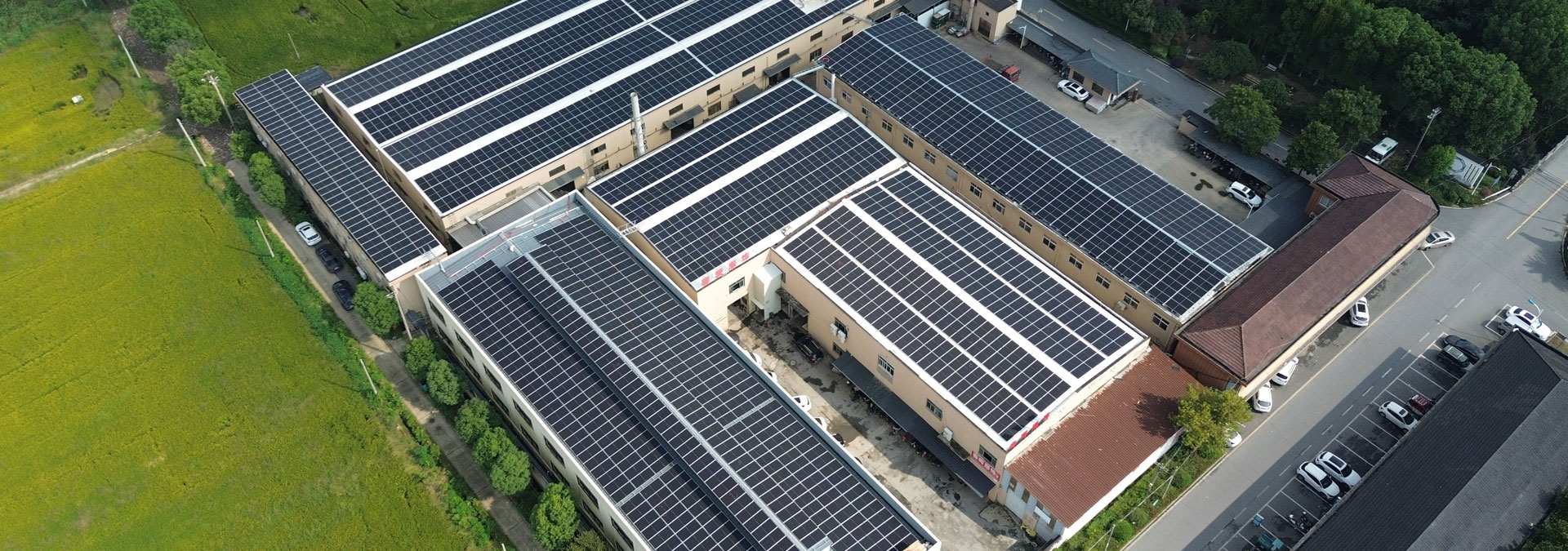
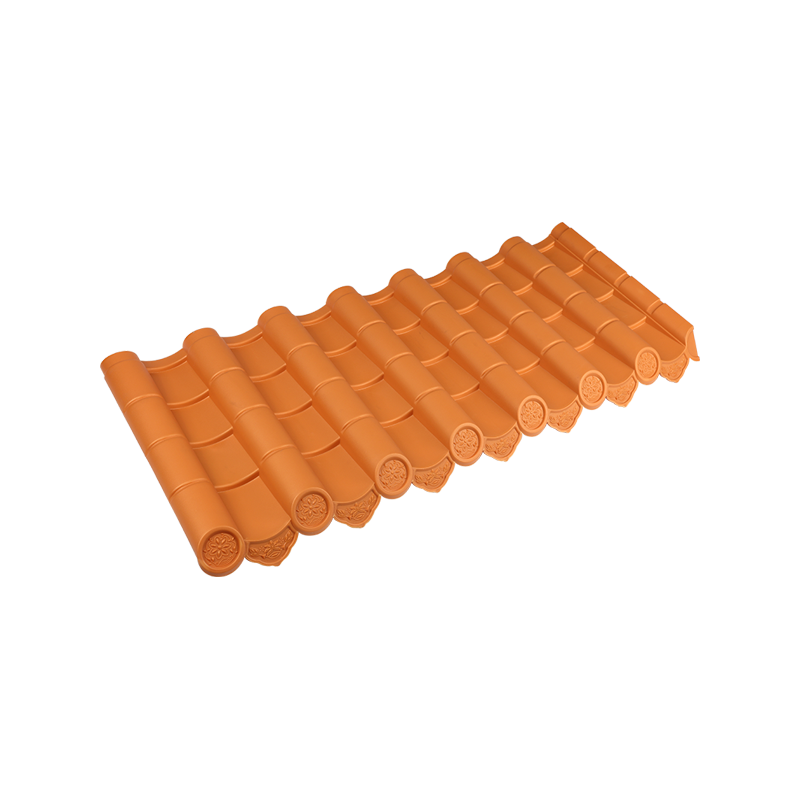
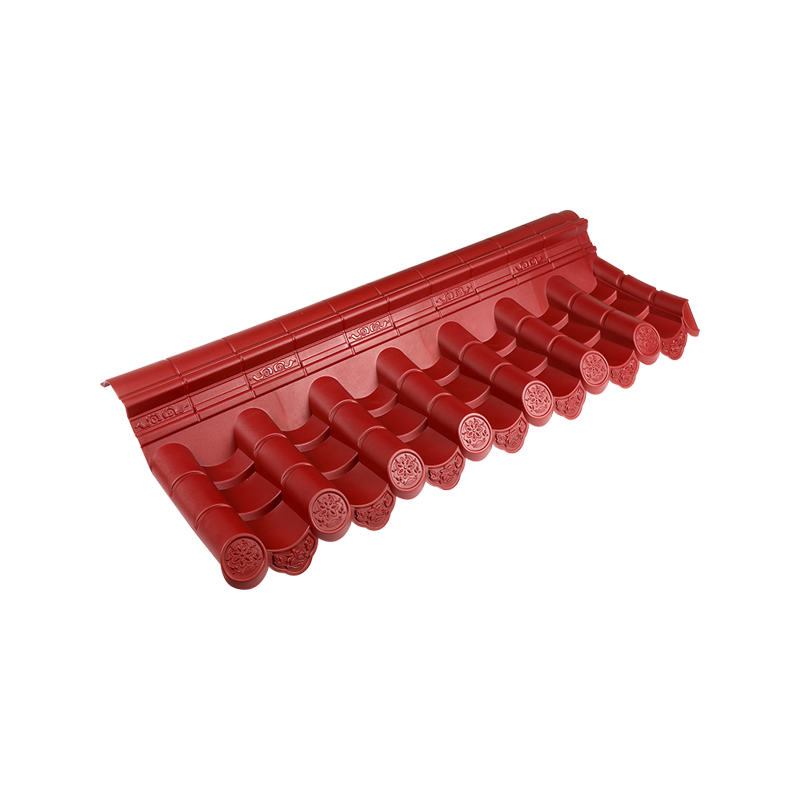
Chinese ASA resin tile have gained popularity in the construction industry due to their durability and resistance to harsh weather conditions. These tiles are particularly known for their ability to withstand UV rays, extreme temperatures, and moisture. However, like all materials, they require some level of maintenance to ensure their longevity and effectiveness. We will explore the necessary maintenance practices for ASA resin tiles and how to keep them in good condition over the years.
How Durable Are Chinese ASA Resin Tiles?
Resin tiles, made from Acrylonitrile Styrene Acrylate (ASA), stand out as a highly durable roofing option thanks to the material's engineered properties. This high-performance polymer excels at withstanding prolonged exposure to UV radiation, harsh weather, chemicals, and temperature fluctuations, which helps prevent common issues like fading, cracking, embrittlement, or discoloration over time.
Chinese manufacturers produce these tiles with a focus on long-term performance, often incorporating built-in UV stabilizers directly into the ASA surface layer rather than relying on surface coatings that can wear off. As a result, they typically resist significant color change (with minimal Delta E shifts in accelerated testing) and maintain gloss and structural integrity even after years of sun exposure. Many offer lifespans of 20–30 years or more under proper conditions, with some high-quality versions claiming up to 30+ years of reliable service in diverse climates, including intense sunlight, rain, wind, and corrosive environments.
While these tiles provide excellent inherent toughness and weather resistance—making them suitable for a wide range of roofing needs—they still benefit from occasional care to maximize longevity and keep their appearance sharp. Regular gentle cleaning to remove dirt, debris, or organic growth, along with periodic inspections for any installation-related issues, helps preserve both their protective qualities and aesthetic appeal without demanding heavy ongoing effort.
How Often Should You Clean ASA Resin Tiles?
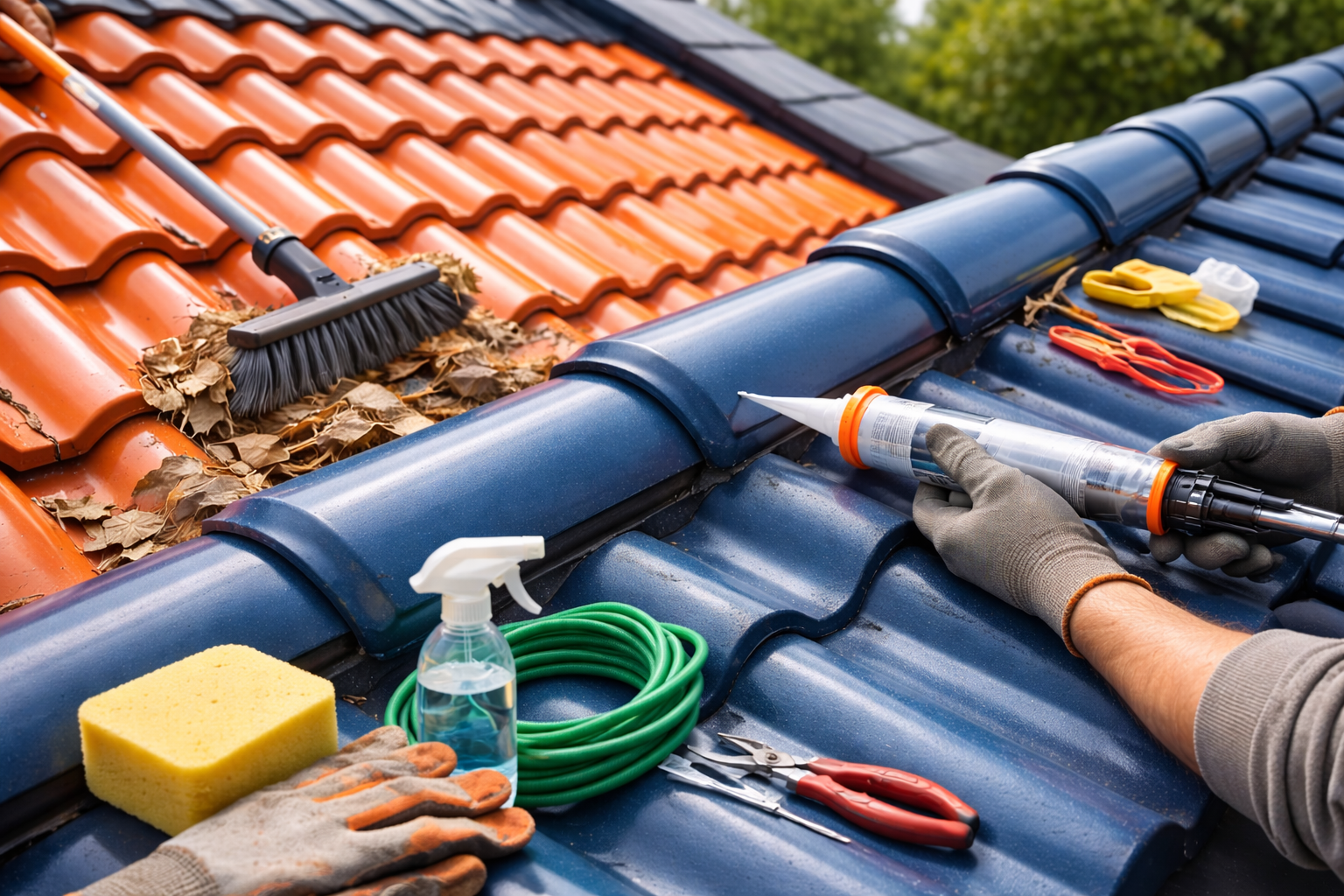
Regular cleaning is one of the simplest yet most important aspects of maintaining ASA resin tiles. While these tiles are generally resistant to dirt buildup, accumulated dust, debris, and organic matter can still affect their appearance over time. Cleaning the tiles periodically will help prevent staining, moss growth, and other unwanted issues.
Steps to Clean ASA Resin Tiles:
| Step | Action | Tip |
|---|---|---|
| 1 | Remove debris and dirt | Use a soft-bristle broom or leaf blower to clear debris. |
| 2 | Wash tiles with water | Use a garden hose to rinse the tiles and remove dust. |
| 3 | Apply mild cleaning solution | If needed, use a mild, non-abrasive detergent. |
| 4 | Scrub gently | Use a soft cloth or sponge to scrub off stains, avoiding harsh chemicals. |
| 5 | Rinse thoroughly | Ensure all detergent is washed away to prevent residue buildup. |
It's essential to avoid harsh chemicals, as they may damage the surface of the tiles. Use a gentle, pH-neutral cleaner to ensure the longevity of the tiles' surface finish.
How to Prevent Moss and Algae Growth?
Moss and algae occasionally develop on resin tiles in conditions like high humidity, heavy shade, or prolonged dampness from poor drainage or overhanging vegetation. These organisms prefer consistently moist, low-light environments and can gradually dull the tiles' finish, hold extra dirt, or subtly reduce efficient water runoff if allowed to spread unchecked.
Fortunately, ASA's smooth, non-porous composition and inherent weather-resistant qualities make it far less prone to stubborn attachment compared to porous materials like concrete or natural clay tiles—growth tends to stay superficial and easier to manage with basic preventive habits.
Key ways to keep moss and algae at bay include:
- Optimize drainage and drying — Verify that the roof maintains a proper pitch for quick runoff, and keep gutters, valleys, and downspouts free of blockages. Avoid situations where water pools or overflows from upper sections onto lower ones, as extended wetness is the primary trigger for growth.
- Minimize shade and debris input — Trim back trees, branches, or shrubs that overhang the roof to allow more direct sunlight (which naturally discourages algae and moss) and reduce the drop of leaves, needles, pollen, or twigs that provide nutrients and anchoring points for spores.
- Incorporate preventive measures — For roofs in persistently humid or shaded locales, consider adding zinc or copper strips (or compatible metal tape) along the ridge or high points—rainwater leaches trace metal ions downward, creating a long-lasting barrier that inhibits new growth without affecting the ASA material's integrity or color stability.
- Perform routine low-effort upkeep — Every few months (or after heavy leaf fall), gently remove loose debris with a soft-bristle brush, leaf blower on low setting, or light rinse from a garden hose. This stops early deposits from establishing footholds. Steer clear of harsh chemicals, abrasives, or pressure washers that might mar the surface and ironically make future adhesion easier.
How to Handle Repairs and Damages?
Chinese ASA resin tiles deliver strong resistance to impacts, weathering, and daily stresses, yet unexpected events—like severe hailstorms, falling limbs, strong gusts, or mishaps during roof access—can occasionally cause cracks, chips, holes, or displaced sections. Addressing any damage quickly is key to stopping water penetration, preventing progressive cracking, or avoiding issues during heavy precipitation, wind, or temperature swings.
The material's advantages shine here: ASA is lightweight, moderately flexible, chemically stable, and bonds reliably with compatible repair compounds, so most fixes remain simple and cost-effective. Minor damage is often patchable at home, while more serious breaks usually require only a single tile swap.
Here's a clear, practical approach to repairs and damage handling:
- Start with a careful inspection — Wait for safe, dry conditions, then examine the roof closely (from a stable position or with binoculars if needed). Identify whether the issue is limited (fine crack, edge chip, surface abrasion) or extensive (wide fracture, puncture through the tile, or tile shifted/missing). Look at nearby tiles, fasteners, overlaps, and the underlying membrane for signs of water entry or loosening. Small surface-only damage may not demand instant repair, but any opening that reaches the decking should be treated as urgent.
- Repair minor cracks and chips — Clean the damaged spot thoroughly: brush away dust and debris, rinse gently with mild soapy water, and let it dry fully. Use a flexible, weatherproof sealant or filler made for plastics, synthetics, or ASA/UPVC roofing (commonly polyurethane, hybrid polymer, or modified acrylic types). Apply it into the crack or over the chip, tooling it smooth to blend with the tile profile. These materials cure to a durable, slightly elastic finish that moves with temperature changes and seals against moisture. Follow the product's cure time (typically 24–48 hours) before walking on or exposing the area to rain.
- Replace significantly damaged tiles — For tiles that are badly broken, holed, or no longer properly seated, replacement is the best long-term solution. Obtain an identical replacement from the original supplier or matching product line to preserve color harmony, interlocking geometry, and overlap compatibility. Removal usually involves loosening or removing the screws holding the damaged tile, carefully lifting adjacent overlapping tiles just enough to slide the broken piece free, then installing the new one in reverse: align the overlaps, insert fasteners (using the correct length and type—generally corrosion-resistant self-tapping screws), and tighten snugly without over-stressing the material. The interlocking design of most Chinese ASA resin systems makes this swap relatively quick and straightforward.
- Seal and protect the work — Once patching or replacement is complete, run a thin bead or light coating of ASA-compatible, UV-stable sealant along seams, screw heads, and the repaired zone. This step boosts waterproofing at joints, shields exposed edges from accelerated weathering, and helps the repair visually integrate over time. Stick to sealants explicitly rated for synthetic/resin roofing to avoid yellowing or degradation.
Always work safely: use proper fall protection, sturdy ladders or scaffolding, and consider professional assistance for steep pitches, high elevations, or extensive storm damage. After major weather events, a follow-up walk-around helps spot any emerging problems early.
Are There Any Special Coatings Needed for ASA Resin Tiles?
The majority of ASA resin tiles produced in China are supplied with a factory-applied protective coating. This original layer boosts resistance to ultraviolet rays and delivers the characteristic glossy look when the tiles are new.
That said, the coating isn't designed to last forever. Prolonged exposure to intense sun, frequent heavy rain, wide temperature changes, airborne pollutants, or strong winds can slowly erode it. As the coating degrades, you may notice the tiles losing their shine, developing a chalky or matte appearance, showing uneven color fading, or becoming more prone to surface dirt buildup.
Practical Maintenance Guidelines:
- Make it a habit to visually inspect the tiles every so often (once or twice a year is usually enough). Pay attention to any dullness, loss of gloss, white powdery residue (chalking), patchy fading, or rough texture—these are typical indicators that the original coating is wearing thin.
- When clear signs of wear appear, apply a new protective coating. Select a quality product clearly labeled as suitable for ASA resin, synthetic resin roofing, or acrylonitrile-styrene-acrylate materials. Avoid generic paints or sealers that aren't formulated for this type of plastic—they can peel, crack, or damage the tile surface.
- How often you need to recoat depends heavily on your local conditions. Roofs in areas with very strong sunlight, high UV index, industrial pollution, or extreme seasonal weather shifts might require reapplication every 3–5 years (or even sooner in the harshest cases). Locations with milder climates can often go longer between applications.
- For bigger roofs, high or steeply pitched installations, or if you're not experienced working on rooftops, it's generally wiser to bring in professional roof coating specialists. They have the right equipment, safety measures, and know-how to apply the coating evenly and ensure it bonds properly.
Regular monitoring and timely recoating help preserve the tiles'vibrant color, strong weather resistance, and clean, attractive finish for many more years.
How to Ensure Proper Drainage?
ASA resin tiles are shaped and installed to guide rainwater quickly and efficiently off the roof surface. Good drainage is one of the most important factors in preventing long-term problems—standing water can slowly weaken seams, encourage moss or algae growth, cause hidden leaks, or even lead to premature aging of the material.
If water isn't moving off the roof freely, small issues can turn into bigger damage over time. That's why checking and maintaining the entire drainage path should be part of routine roof care.
Key Steps to Keep Drainage Working Well:
- Keep gutters and downspouts clear Clean gutters at least twice a year—more often if you have overhanging trees. Remove leaves, twigs, pine needles, dirt, and any other buildup. A clogged gutter quickly backs water up onto the tiles or behind the fascia, where it can sit and cause trouble.
- Inspect after heavy rain Walk around (or use binoculars/safe vantage points) shortly after a good downpour and look for any standing water or slow-draining areas on the roof. Even shallow pooling that lasts more than a few hours after rain stops is a red flag. Note the exact spots so you can figure out why water isn't moving.
- Verify the roof's slope and flow ASA tiles rely on the roof deck having adequate pitch (usually a minimum recommended by the manufacturer). If you see consistent pooling in the same low areas, the slope may have settled over time, or tiles might have shifted slightly. In those cases, you may need to consult a roofing professional to assess whether adjustments or additional drainage solutions are required.
- Fix or upgrade gutter and drainage components Look for sagging gutters, separated sections, loose hangers, or downspouts that are crushed, disconnected, or discharging too close to the foundation. Repair small issues promptly—replace damaged sections if needed. Make sure downspouts extend far enough away from the house (at least 5–6 feet) so water doesn't splash back onto the lower tiles or erode soil near the foundation.
Is It Necessary to Re-seal ASA Resin Tiles Periodically?
ASA resin tiles are engineered with strong inherent water repellency and weathering resistance due to the material itself and the precise way the tiles overlap and lock together. Unlike some traditional roofing materials, the tiles as a whole don't typically require a full-surface sealant to stay waterproof. The primary watertight performance comes from the interlocking design, molded-in weather barriers, and—most importantly—the quality seals applied at key points during manufacturing or installation.
These include sealant strips, adhesive beads, rubber compression gaskets, or caulk-like compounds used at:
- Tile overlaps and end joints
- Ridge caps and hip tiles
- Valleys
- Perimeter edges, eaves, and rakes
- Flashings around chimneys, vents, skylights, pipes, and other roof penetrations
Over an extended period (often 8–15+ years depending on climate), these localized sealing materials can gradually lose elasticity, develop micro-cracks, shrink slightly, or separate due to repeated thermal expansion/contraction, UV exposure, wind-driven rain, or freeze-thaw stress. When this happens, even hairline gaps can allow water to migrate underneath, potentially reaching the roof deck, insulation, or framing and causing rot, mold, or fastener corrosion.
Full re-sealing of the entire roof surface is rarely needed and can sometimes do more harm than good by trapping moisture if applied incorrectly. Instead, the smart approach is targeted inspection and spot re-sealing where it's actually required.
How to Handle Re-Sealing Effectively:
1.Perform regular visual checks At least annually (ideally in spring and fall), examine:
- All visible sealant lines and beads
- Overlap joints between tiles
- Ridge, hip, and valley areas
- Flashings and penetration boots
- Edge detailing and eaves Watch for: cracking, splitting, hardening, pulling away from surfaces, gaps wider than a credit card edge, discoloration, powdery residue, or water stains/mold below joints.
2.Prepare surfaces properly before any touch-ups Clean the area thoroughly—remove dust, pollen, algae, moss, old loose sealant fragments, or bird droppings. Use a gentle cleaner compatible with ASA (no strong solvents, acetone, or wire brushes that could scratch the finish). Rinse completely and let everything dry fully for at least 24–48 hours. New sealant won't stick or cure correctly on a dirty or damp surface.
3.Pick the correct sealant product Use only high-quality sealants explicitly labeled as compatible with ASA resin, synthetic roofing tiles, or acrylonitrile-styrene-acrylate plastics. Preferred types include:
- UV-stable, permanently flexible hybrid polymer sealants
- Certain high-performance silicones or polyurethanes designed for roofing/plastics
- Products with excellent adhesion to ASA without needing a primer Steer clear of cheap latex/acrylic caulks, construction adhesives not meant for exterior exposure, or anything without clear compatibility statements—mismatched products can fail quickly or even harm the tile surface.
4.Apply repairs thoughtfully Re-seal only the degraded or vulnerable spots—don't blanket the whole roof. Follow the product's guidelines for application thickness, tooling (smoothing the bead), weather conditions, and cure time. Work on dry days within the recommended temperature range. Less is often more; excessive sealant can create ridges that hold water instead of shedding it.
How to Handle Seasonal Maintenance?
Weather changes across the seasons—particularly winter cold and wet/rainy periods—can create specific risks for ASA resin tiles. Ice, snow accumulation, repeated freezing and thawing, heavy downpours, and storm debris are the main concerns that require timely attention to prevent cracks, leaks, or tile movement.
Seasonal Care Checklist
Getting Ready for Winter Before freezing temperatures begin:
- Walk the roof (or inspect safely from ground/ladder) and look closely for:
- Any tiles that are loose, raised at the edges, or showing fine cracks
- Small openings or gaps around flashings, vents, or overlaps where water could seep in
- Build-up of leaves, pine needles, dirt, twigs, or moss that can hold moisture
2.Thoroughly clear all debris so water cannot pool and freeze in place. A roof free of trapped moisture and with everything securely fastened survives freeze-thaw cycles far better.
After Significant Storms (heavy rain, wind, hail, snow load, etc.) When conditions allow safe access:
- Check for obvious damage: cracked/chipped tiles, broken pieces, or tiles that have slid or lifted
- Look for storm debris sitting on the roof surface (branches, leaves, needles, etc.)
- Make sure gutters, valleys, and low spots are not blocked—standing water causes problems quickly
- Remove everything that doesn't belong there so the roof can shed water normally and carry no unnecessary weight.
Ongoing Seasonal Practice Develop the habit of doing a brief but careful inspection:
- Right before a major weather system is expected (blizzard, tropical storm, high winds, etc.)
- Shortly after the event passes
Chinese ASA resin tiles are designed to be low-maintenance, but like all roofing materials, they require periodic care to ensure optimal performance. Regular cleaning, proper drainage, and timely repairs can help keep the tiles in excellent condition for years to come. By following these maintenance practices, you can ensure that your ASA resin tiles continue to protect your property and maintain their appearance for the long term.

 Email:
 Phone:
 Adress: