



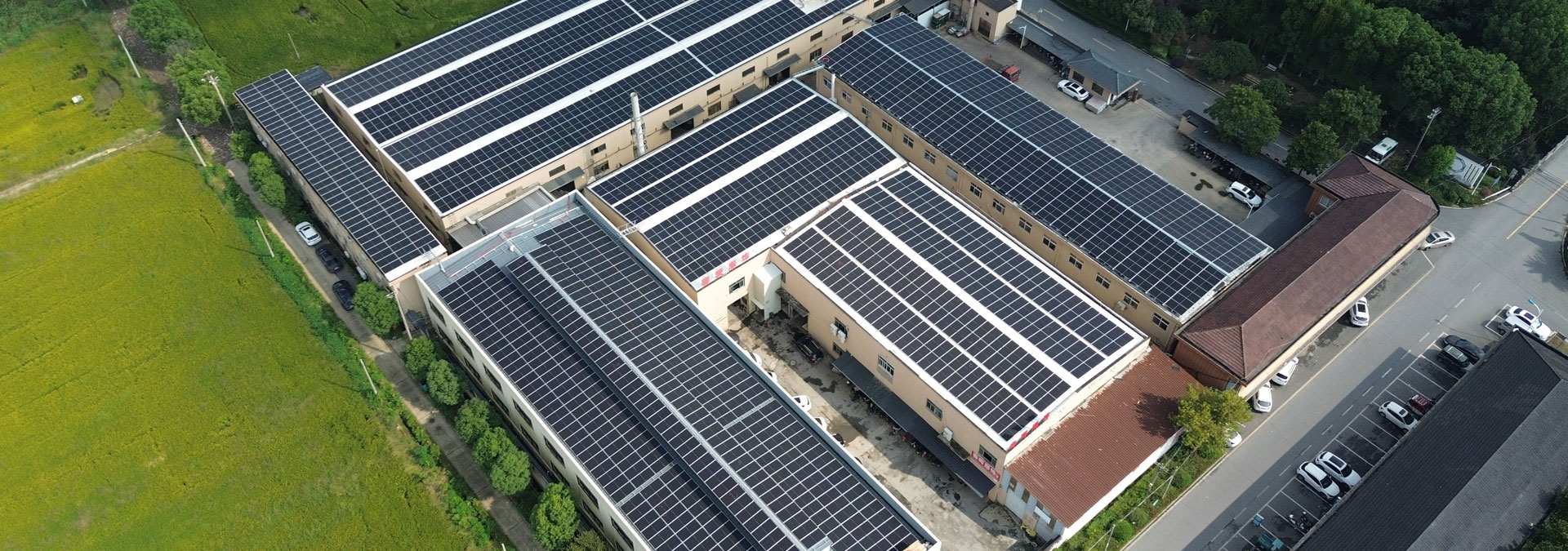
The Chinese roofing materials manufacturers is evolving rapidly. Manufacturers are adapting to changing markets, consumer expectations, and global trends. Understanding the factors shaping the sector helps stakeholders make informed decisions. What are the key trends influencing Chinese roofing material manufacturers?

How Is Sustainability Influencing Roofing Materials?
Environmental concerns are influencing material choices and production methods. More manufacturers are exploring renewable and recyclable resources. Energy efficiency is increasingly emphasized, from raw material sourcing to finished products. Sustainable roofing materials are not only better for the environment but also attract clients looking for long-term value.
Producers are adopting strategies such as:
| Approach | Purpose |
|---|---|
| Use of recycled materials | Reduce waste and lower production impact |
| Energy-efficient production | Minimize carbon footprint |
| Lightweight alternatives | Lower transportation emissions and ease installation |
| Recyclable end-of-life materials | Extend product life cycles |
These strategies are gradually becoming standard in the industry, shaping future product lines.
What Role Does Innovation Play in Product Development?
Innovation plays a pivotal role in product development by serving as the key driver for staying competitive in the market.Chinese manufacturers, in particular, are actively pursuing advancements such as novel coating methods, multi-layered constructions, and sophisticated material combinations. These efforts are primarily directed toward enhancing key performance attributes: greater durability, stronger resistance to weathering, and better suitability across varied climatic conditions.
A number of these innovations also prioritize user experience and practicality. For example, certain roofing products are being redesigned to simplify installation processes or reduce long-term maintenance demands. At the same time, other developments focus on creating clear market differentiation, allowing companies to better address the specific needs and preferences found in different regions.The emphasis in product development is steadily moving away from basic functionality alone toward an integrated approach that combines high performance with improved usability and convenience.
How Are Consumer Preferences Driving Change?
In the roofing and building materials industry, consumer expectations continue to shift rapidly and with clear direction. Today's buyers demand products that effectively blend impressive visual design, solid long-term durability, and meaningful environmental accountability. What used to be considered "nice-to-have" aesthetics has now become a fundamental expectation—people actively seek roofing materials featuring attractive color palettes, convincing surface textures, and versatile styles capable of complementing everything from classic to cutting-edge architectural designs.
Beyond appearance, customers are increasingly focused on practical considerations: how easy the product is to maintain over time and how consistently it performs year after year. This heightened attention to everyday usability is compelling manufacturers to move toward greater flexibility, offering more customizable options that better fit individual project needs.
As a direct result, new product development is prioritizing solutions that work equally well for residential homes and commercial buildings alike, while also responding to current lifestyle values and the growing importance placed on sustainable, low-maintenance building choices.
Why Is Digital Technology Becoming Essential?
Digital technology has firmly established itself as a core element of contemporary manufacturing. It is reshaping the entire process—from initial design through production to final delivery—and what manufacturers once viewed as a helpful edge has rapidly become a baseline necessity to remain viable in both local and global markets.
The main areas where digital tools are creating this essential shift include:
- Sophisticated digital design and simulation Companies now use advanced software to build detailed virtual models and run comprehensive simulations. This lets engineering and design teams evaluate how products and materials will hold up under challenging real-world scenarios—like intense sunlight, prolonged moisture exposure, freezing conditions, or rapid temperature changes—eliminating much of the need for multiple rounds of physical prototypes.
- Faster, smarter product development with less guesswork Early-stage virtual testing uncovers weaknesses or limitations before anything moves to the factory floor. As a result, development cycles shorten significantly, expenses tied to repeated physical trials drop, and the end products achieve greater dependability and uniformity.
- Enhanced visibility and control during manufacturing Real-time digital monitoring systems track every stage of production closely. Teams can quickly detect bottlenecks or quality drifts, fine-tune equipment and material usage for maximum efficiency, and consistently uphold elevated standards across every batch.
- More effective supply chain coordination Integrated digital platforms deliver clear oversight and improved forecasting throughout the supply network. This enables precise inventory management, quicker reactions to shifts in customer orders or raw material availability, and fewer disruptions when obtaining components or shipping completed products.
- Direct, productive links to customers and partners Digital channels facilitate faster, more transparent exchanges. Manufacturers can instantly share prototypes or revisions, collect targeted input from clients, co-develop tailored solutions, and strengthen ongoing collaboration with suppliers and buyers alike.
These advances are transforming digital integration from a desirable extra into an indispensable requirement. Companies that delay or avoid adopting these technologies face increasing disadvantages in development speed, product quality, operating costs, and their capacity to keep pace with rapidly changing customer and market expectations.
What Impact Does Cost Efficiency Have on Industry Development?
Production costs remain a major concern. Manufacturers focus on optimizing raw material use, labor, and logistics. Innovations often aim to reduce waste or simplify installation. Cost-efficient designs help products remain accessible while maintaining functional quality.
Cost strategies include:
| Strategy | Objective |
|---|---|
| Material optimization | Minimize excess usage |
| Modular components | Reduce handling and labor costs |
| Local sourcing | Lower transportation expenses |
| Streamlined logistics | Improve supply chain efficiency |
Effective cost management allows manufacturers to stay competitive without compromising quality or functionality.
How Are Regulations Influencing Manufacturing Practices?
Government regulations, along with established industry standards, exert considerable influence over both the choice of materials and the methods used in production. Environmental protection rules, occupational safety guidelines, product safety mandates, and local or national building codes all directly inform critical decisions—from the selection of raw ingredients to the specifics of product design and the steps involved in manufacturing. Adhering to these standards has become non-negotiable: it determines whether a product can be sold in key markets and helps preserve a manufacturer's credibility and public trust.
These same regulatory demands are pushing companies to take a more forward-looking approach to sustainability. Instead of prioritizing only short-term cost or immediate functionality, manufacturers must now assess the broader, long-term environmental footprint of their products across the entire lifecycle.
Compliance itself is proving to be a significant catalyst for progress and creativity. In response to tightening restrictions, companies are actively researching and introducing advanced materials, improved surface treatments, and novel production approaches that meet rigorous environmental criteria without compromising strength, weather resistance, or overall quality. Frequently, these innovations dovetail neatly with prevailing customer and industry preferences—such as higher energy efficiency, greater use of recyclable or low-impact ingredients, and minimized production waste—bridging the gap between mandatory requirements and voluntary market expectations.
Regulations have evolved beyond being mere external limitations. They now function as a core internal driver, steadily propelling the sector toward manufacturing practices that are more sustainable, inventive, and aligned with the demands of tomorrow.
How Is Collaboration Shaping Future Growth?
Partnerships and collaboration are increasingly common. Manufacturers work with architects, construction firms, and research institutions. This facilitates knowledge sharing and accelerates product development.
Collaborative efforts may focus on:
| Collaboration Type | Purpose |
|---|---|
| Research partnerships | Explore new materials and coatings |
| Supply chain alliances | Improve delivery and sourcing efficiency |
| Industry associations | Share best practices and set standards |
| Customer engagement | Align products with market expectations |
Collaboration helps manufacturers adapt faster to market trends and technological developments.
Emerging Materials and Design Concepts
New generations of materials are steadily making their way into the roofing market. Manufacturers are giving close attention to lightweight composite systems, advanced protective coatings that deliver superior resistance to wear and environmental stress, and formulations engineered for significantly longer service life.
Alongside these material advancements, there is growing experimentation with modular roofing components. These designs emphasize quick and straightforward assembly, helping to reduce installation time and complexity on the job site.
Contemporary product concepts place strong priority on climate-specific performance and simplified ongoing maintenance. Developers are creating solutions better suited to handle regional weather variations while keeping upkeep requirements low for end users.
A number of manufacturers are also moving toward multifunctional roofing systems. These integrate practical secondary benefits—such as improved rainwater collection and drainage, or features that contribute directly to building energy efficiency—without sacrificing core protective qualities.
The future direction of roofing products is being shaped by the powerful combination of breakthrough material science and thoughtful, purpose-driven design that addresses both performance and real-world usability.
How Are Supply Chains Evolving?
Supply chains across the roofing and building materials industry are steadily gaining greater agility and responsiveness to changing conditions. Manufacturers are deliberately broadening their supplier networks to avoid over-reliance on any single source, while also prioritizing local and regional suppliers when practical and cost-effective.
Digital technology has taken on a pivotal role in overseeing these more complex networks. Modern systems deliver instant insight into current stock levels, allow accurate end-to-end tracking of shipments, and support forward-looking demand forecasting so companies can anticipate market shifts rather than simply react to them.
This enhanced adaptability helps manufacturers manage the challenges of volatile raw material prices, unpredictable freight costs, or abrupt shifts in customer preferences. Responsive supply chains enable quicker adjustments to output volumes and product variations with minimal operational interruptions.
Logistics efforts are increasingly aligned directly with production schedules. Closer coordination between planning and manufacturing reduces overstocking, limits material and resource waste, and shortens the time from factory to customer site.
This trajectory toward more robust, digitally enabled, and customer-focused supply chains is expected to continue gaining momentum. It remains a critical element in achieving consistent operational efficiency, keeping costs under control, and reliably satisfying the needs of contractors, builders, and final users.
Observations
The roofing materials industry in China is shifting in response to environmental, technological, and market forces. Manufacturers balance sustainability, innovation, consumer preference, cost efficiency, regulation, and global engagement. Trends suggest a move toward versatile, environmentally conscious, and digitally optimized production practices.


 Email:
 Phone:
 Adress: