



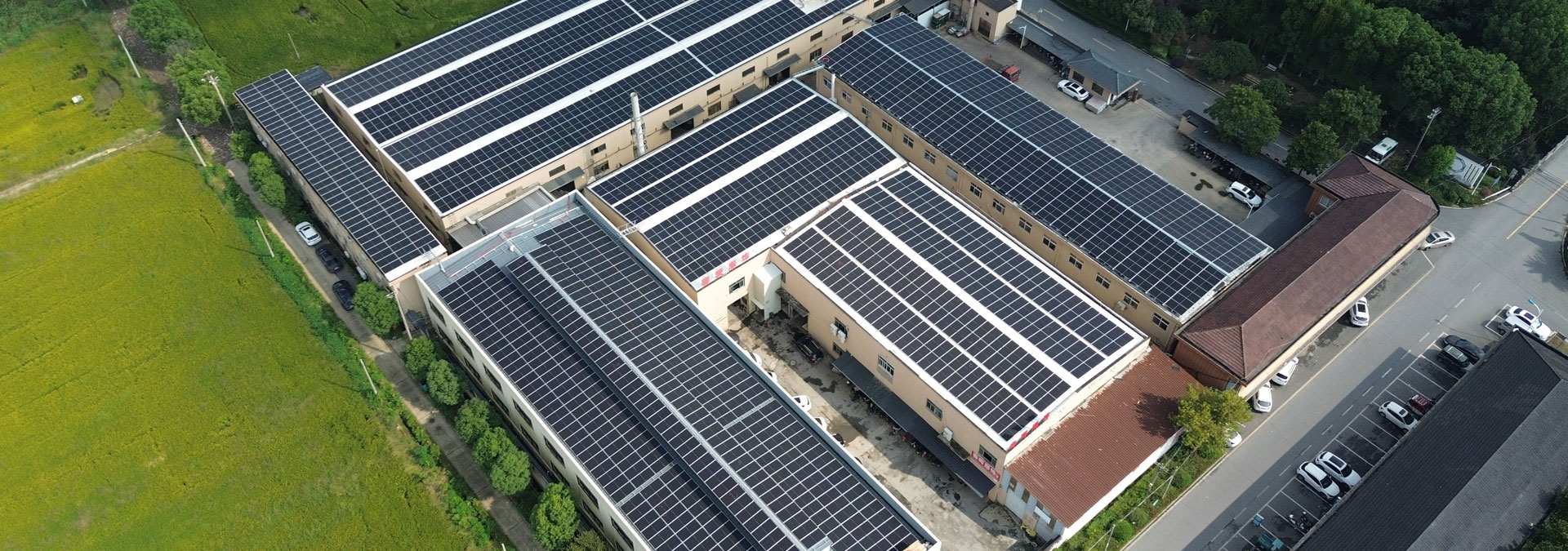
Why Are Chinese-Style Roofing Materials Drawing Attention From Global Buyers?
Across residential and low-rise commercial projects, Chinese-style roofing materials are appearing more often in design discussions. Their visual character feels rooted in tradition, yet their production methods reflect modern manufacturing. This mix attracts architects, developers, and homeowners looking for roofing solutions that feel natural, durable, and culturally expressive.
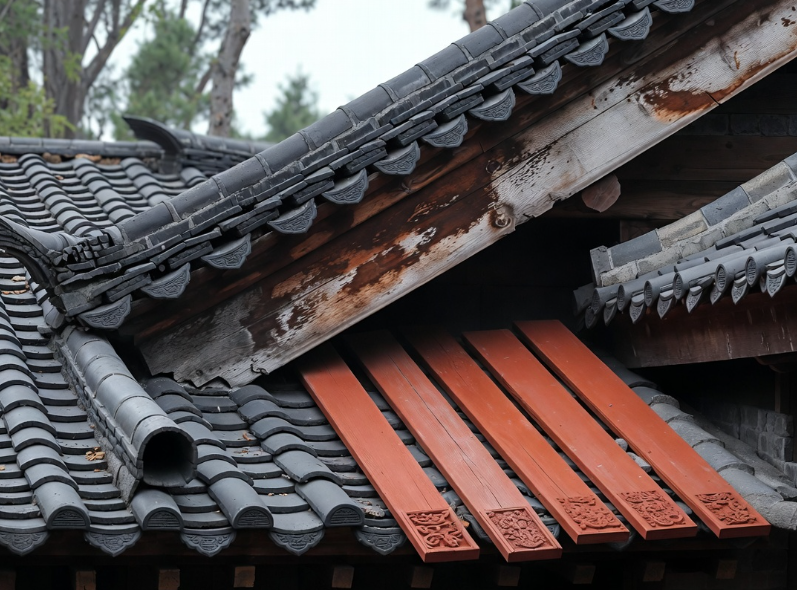
Buyers today are also more informed. They want materials that support comfort, blend with surroundings, and last over time. Roofing is no longer treated as a simple cover. It shapes how buildings perform and how spaces feel.
Roofing materials sit at this intersection of function and identity. Before making a purchase, many buyers want to understand what makes these materials different, where they perform well, and what practical details matter most.
What Defines Chinese-Style Roofing Materials in Today's Market?
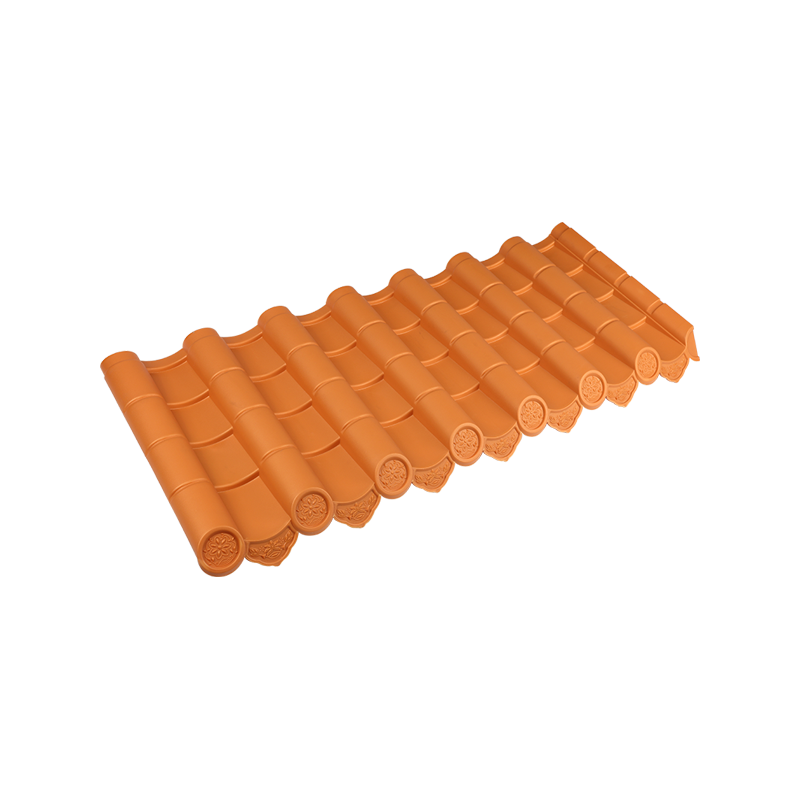
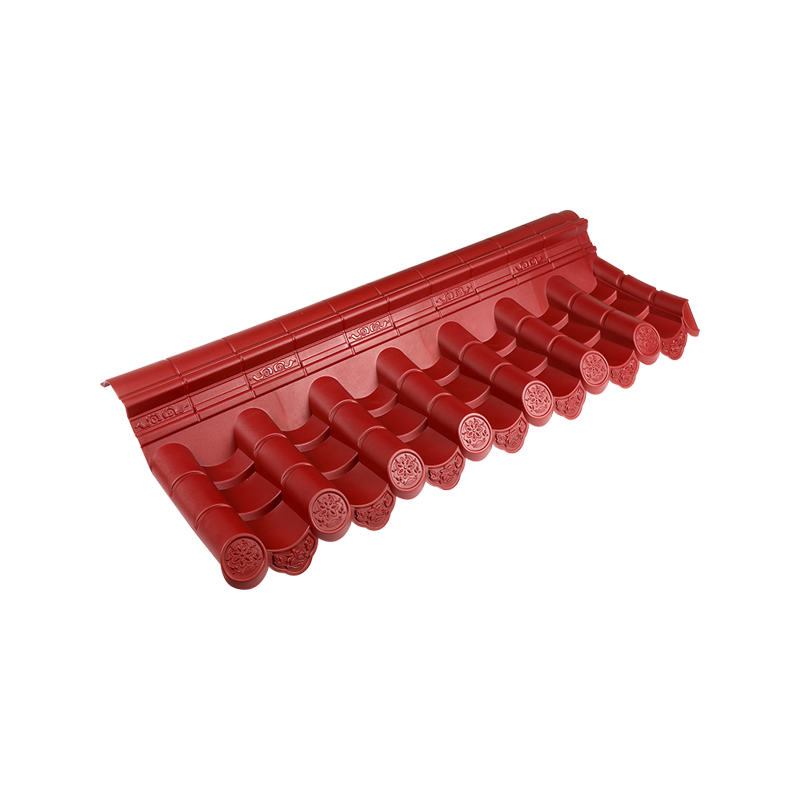
Style roofing materials usually refer to tile-based systems inspired by traditional architectural forms. Curved profiles, layered layouts, and natural textures are common features.
These materials are often made from earth-based sources and shaped through controlled firing. The result is a roofing surface that feels solid yet visually soft.
Modern production has expanded design choices. Buyers can now find variations that suit heritage buildings as well as contemporary structures.
Key defining traits often include:
- Natural appearance
- Modular installation
- Gradual aging behavior
- Compatibility with both classic and modern layouts
These characteristics help explain their growing presence in international projects.
How Do These Materials Compare With Other Roofing Options?
Choosing roofing materials usually involves comparing appearance, comfort, lifespan, and maintenance.
Here is a general comparison to help buyers understand the landscape:
| Feature | Chinese-Style Roofing | Synthetic Roofing | Metal Roofing |
|---|---|---|---|
| Material base | Natural | Manufactured | Industrial |
| Visual warmth | High | Medium | Low |
| Heat movement | Slower | Varies | Fast |
| Aging pattern | Gradual | Uneven | Surface wear |
| Cultural fit | Strong | Limited | Modern |
This overview does not suggest a universal choice. It highlights how Roofing materials offer a balance between natural texture and practical performance.
How Should Buyers Evaluate Material Quality?
Smart buyers assess traditional roof tile quality early—ideally while reviewing samples, visiting a supplier's stock, or inspecting the delivered load. A quick, attentive check often tells you whether the production has been careful and consistent.
Here are the key things experienced buyers focus on:
- Surface consistency — Take a close look at the visible face of several tiles and feel the surface. It should be uniform and deliberate, without stray lumps, deep holes, uneven glaze application, or other defects that usually come from inconsistent kiln temperatures or hasty finishing.
- Edge alignment — Line up a few tiles edge-to-edge or stack them briefly. Quality tiles show straight, well-defined edges that fit together smoothly, with almost no waviness, noticeable thickness differences, or irregular gaps along the sides.
- Color uniformity — Examine a selection of tiles from the same batch in even, natural light. A bit of gentle variation in shade is typical and adds natural charm, but the overall color should feel harmonious across the group. Watch out for tiles that show strong blotching, random streaks, or abrupt tone changes, which often indicate firing inconsistencies.
- Packaging condition — Check the crates, pallets, or bundles the tiles arrive in. Reliable producers use robust packaging with secure strapping, corner protection, separating layers, or cushioning to prevent damage in transit. Poorly thought-out or flimsy packing frequently signals that less care was taken during manufacturing as well.
- Weight and sound when handled — Lift individual tiles to feel their heft—they should feel solidly substantial for their size. Gently tap one with your finger or a small tool: a good tile gives a clear, crisp ring rather than a dull thud or empty echo. Tiles that feel too light, fragile, or brittle are more likely to crack later.
Why Does Durability Matter More Than Initial Cost?
Roofing decisions are fundamentally long-term commitments. A material that looks inexpensive at purchase can become far more costly if it demands frequent repairs, partial replacements, or full removal and reinstallation every decade or two. Over the life of a building—often 50 years or more—the total expense of short-lived options usually exceeds the price of materials built to last much longer.
Traditional Chinese-style roofing tiles stand out in this regard because of how they wear. Rather than failing abruptly with leaks, cracks, or widespread breakage, they typically show slow, progressive signs of aging—minor surface erosion, small hairline cracks, or subtle color softening. These gradual changes give owners and roofers plenty of advance warning to schedule targeted, low-cost maintenance instead of facing sudden, expensive emergencies.
Durability directly affects several key cost and performance factors over time:
- Repair frequency — Long-lasting tiles need far fewer interventions, reducing both the number of service calls and the disruption they cause to occupants.
- Waste generation — Fewer replacements mean dramatically less construction and demolition debris sent to landfills, cutting disposal fees and environmental impact.
- Labor needs — Extended service life translates to less labor spent on tear-offs, scaffolding setup, and reinstallation, which are among the largest expenses in roofing projects.
- Overall building stability — A reliable roof protects the structure beneath it (sheathing, insulation, framing, and interiors) from water damage and accelerated deterioration, helping avoid major secondary repairs or renovations that can run into tens of thousands of dollars.
Buyers who look beyond the initial price tag and focus on lifecycle value—total cost of ownership across decades—often discover that high-quality tile roofing turns out to be the more economical choice. The higher upfront investment is offset by decades of minimal maintenance, avoided waste, reduced labor bills, and preserved building integrity. In sustainable architecture especially, prioritizing durability over lowest-bid pricing creates real financial savings while aligning with the goal of buildings that endure responsibly for generations.
Can Chinese-Style Roofing Materials Improve Indoor Comfort?
Roof design affects interior conditions more than many realize.
Chinese-style tiles usually create a layered structure with small air spaces beneath the surface. This layout helps reduce heat buildup during warm periods.
Other comfort-related benefits may include:
- Reduced temperature swings
- Lower radiant heat transfer
- Quieter interiors during rain
These passive features support energy-aware living without adding mechanical systems.
For buyers focused on comfort, roofing materials become part of the indoor experience, not just an exterior feature.
How Important Is Installation Method When Choosing These Materials?
No matter how excellent the tiles themselves are, incorrect installation can seriously compromise their performance, leading to leaks, shifting, premature wear, or even safety concerns. With traditional Chinese-style roofing tiles, the way they go on the roof is at least as important as the quality of the tiles.
Buyers should give serious thought to these installation-related factors before committing:
- Installer familiarity with tile roofing — General roofing experience isn't enough. Tiles require specific know-how: correct fastening patterns, proper underlayment layering, accurate coursing, and handling of hips, valleys, and ridges. Look for roofers who have completed multiple clay tile projects and can show examples of their past work with similar materials.
- Structural readiness for the weight — Clay tiles impose a much heavier load than most modern roofing options. The roof's framing, sheathing, and any supporting elements must be adequate (and ideally confirmed by calculation or an engineer) to carry that weight safely for decades without deflection or long-term stress.
- Precision in alignment and spacing — Tiles need consistent overlap, even coursing, and accurate offsets between rows. Small inconsistencies can produce visible unevenness, create weak spots, or allow water to work its way underneath. Skilled installers use guides, chalk lines, or spacing tools to keep everything perfectly aligned from bottom to top.
- Effective water-shedding design — The complete system—starting with the underlayment, continuing through flashings, drip edges, valley treatments, and tile overlaps—must channel water reliably away from the structure. Poor detailing in any of these areas can trap moisture, leading to hidden damage that shortens the roof's life far more than the tiles themselves would.
What Should Buyers Know About Maintenance Needs?
Traditional tile roofs stand out for needing far less ongoing attention than many modern roofing systems, but they are not completely hands-off. With their durable, modular nature, upkeep stays straightforward, infrequent, and usually low-cost when issues do arise.
Most owners find that routine care boils down to these practical steps:
- Periodic visual inspections — Walking the roof (or using binoculars/safe vantage points) once or twice a year to look for anything out of the ordinary. This catches small problems early, before they grow into bigger ones.
- Removal of debris — Clearing leaves, twigs, pine needles, dirt, or other buildup from valleys, gutters, and tile surfaces. Accumulated debris can trap moisture, encourage moss or lichen, or block proper water flow.
- Checking alignment and stability after severe weather — After heavy storms, high winds, hail, or ice events, a quick look confirms that no tiles have shifted, cracked, or come loose. Wind can occasionally dislodge a tile or two, especially on exposed ridges or edges.
- Replacing individual damaged tiles when necessary — If a tile breaks (from impact, foot traffic during other roof work, or very rare manufacturing defect), it's usually a simple matter of removing the affected piece and sliding a matching replacement into place. The modular design means repairs stay localized—no need to tear off large sections of roof.
How Does Climate Influence Material Selection?
Climate plays a major role in roofing decisions.
Roofing materials perform well in many environments, but buyers should still consider:
- Rain frequency
- Temperature range
- Wind exposure
- Sun intensity
In warmer regions, tile roofs help manage heat. In wetter areas, proper drainage design becomes especially important.
Consulting local building professionals helps ensure the roofing system matches environmental conditions.
Are These Materials Suitable for Modern Architecture?
Many buyers associate Chinese-style roofing with traditional buildings. Today's tile designs challenge that assumption.
Architects increasingly use tiles in:
- Contemporary villas
- Courtyard homes
- Boutique commercial spaces
- Low-rise developments
Clean lines combined with natural surfaces create contrast that feels fresh rather than historic.
This flexibility allows buyers to express cultural character while maintaining modern design language.
What Role Does Sustainability Play in Buying Decisions?
Environmental responsibility is increasingly guiding what people choose to build with, influencing everything from homes to commercial spaces. Buyers today often balance sustainability with factors like cost, durability, and style when selecting materials.
Traditional Chinese-style roofing tiles fit well into this shift by offering several clear sustainability advantages:
- Natural composition — Crafted mainly from clay, an earth-sourced material that's plentiful and requires minimal processing compared to many engineered or petroleum-based alternatives.
- Impressive longevity — Properly installed tiles commonly endure 50 years or longer, sometimes over a century, minimizing the need for replacements and the associated resource drain.
- Fewer full replacements — Their extended lifespan avoids the repeated environmental costs of demolition, disposal, new material production, shipping, and reinstallation that come with shorter-lived roofs.
- Reuse potential — When a roof eventually reaches the end of its life, sound tiles can frequently be salvaged for new projects or repurposed in other ways, such as garden edging or construction fill, extending their usefulness.
Furthermore, contemporary tile makers are adopting more efficient operations, like cutting down on production scraps, reusing water in the manufacturing cycle, improving energy efficiency in kilns, and lowering emissions—all while keeping the product's traditional qualities intact.
How Can Buyers Assess Supplier Reliability?
Supplier reliability affects project timelines and material consistency.
Buyers may evaluate:
- Communication responsiveness
- Packaging quality
- Delivery coordination
- After-sales support
- Willingness to answer technical questions
A reliable supplier provides clear documentation and stands behind product quality.
Strong communication reduces misunderstandings and helps projects move smoothly.
What Should Buyers Ask Before Placing an Order?
Before confirming a purchase, buyers often benefit from asking practical questions such as:
- How are tiles packed for transport?
- What happens if damage occurs during shipping?
- Are replacement tiles available later?
- What guidance is provided for installation?
- How are quality checks handled before delivery?
Clear answers help set expectations and prevent delays.
How Do Logistics Affect Project Planning?
Roof tiles are heavy and fragile. Transport planning matters.
Buyers should consider:
- Shipping timelines
- Storage conditions on site
- Handling procedures during unloading
- Protection from moisture before installation
Some suppliers offer regional warehousing, which shortens delivery routes and improves scheduling flexibility.
Good logistics planning reduces breakage and keeps construction on track.
What Design Factors Should Buyers Think About?
Roofing affects more than weather protection. It influences how buildings look from a distance and how spaces feel inside.
Design considerations may include:
- Roof slope and profile
- Tile color harmony with walls
- Relationship to surrounding landscape
- Shadow patterns created by tile layers
These details shape the overall architectural impression.
Buyers who involve designers early often achieve more cohesive results.
Are Chinese-Style Roofing Materials Cost-Effective Over Time?
Cost-effectiveness depends on more than purchase price.
Long-lasting materials reduce future spending on repairs and replacements. Modular tiles allow targeted maintenance instead of full roof renewal.
When viewed across decades, many buyers find tile roofing provides steady value with predictable upkeep.
This long-term perspective aligns with responsible building practices.
How Do Cultural Elements Influence Buyer Preferences?
Architecture reflects identity.
Chinese-style roofing materials carry visual language rooted in history. Even when used in modern settings, they add warmth and character.
Buyers drawn to these materials often value:
- Connection to tradition
- Organic textures
- Familiar rooflines
- Human-scale design
These emotional factors influence purchasing decisions alongside technical considerations.
Why Are More Developers Considering Tile Roofing Today?
Developers face pressure to deliver projects that meet sustainability expectations while offering visual distinction.
Tile roofing provides:
- Recognizable character
- Energy-aware performance
- Durable exterior surfaces
- Design flexibility
These qualities support market demand for buildings that feel thoughtful rather than generic.

 Email:
 Phone:
 Adress: