



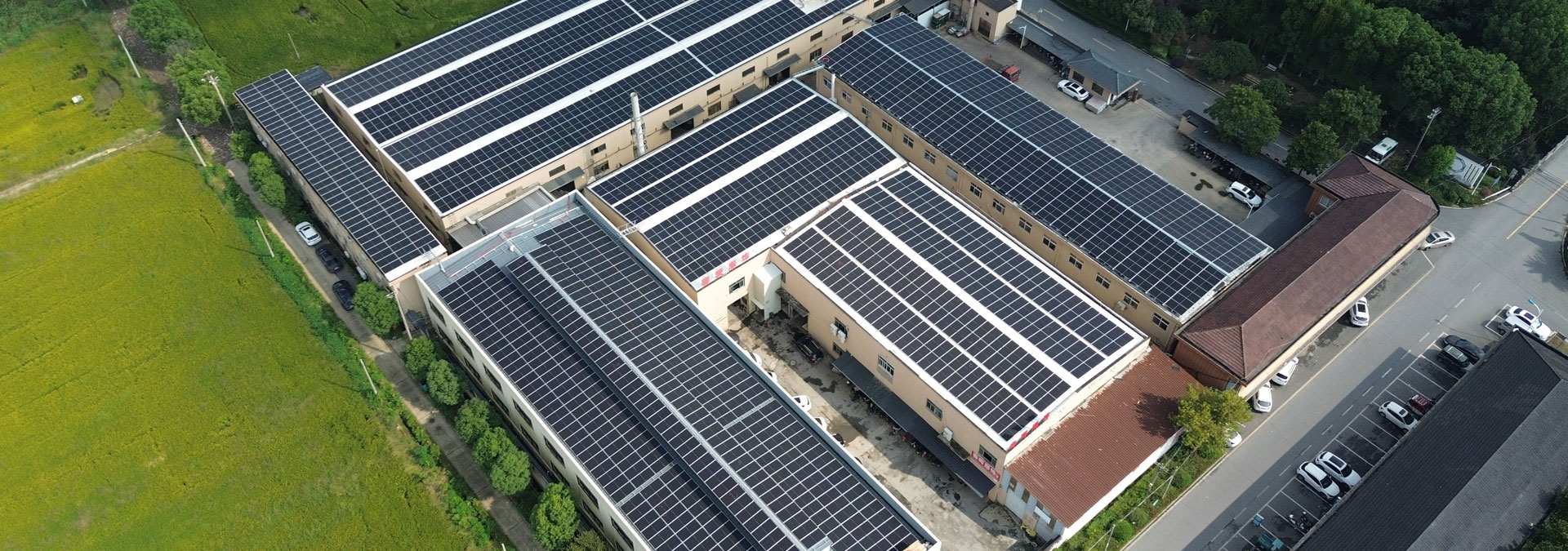
Eco-friendly roofing has moved from a niche "green upgrade" to a practical response to rising energy costs, climate risk, and tighter building standards. A roof is not just a protective cap; it is a building's largest exposed surface, constantly interacting with sun, wind, rain, and temperature swings. Because it sits at the boundary between indoor comfort and outdoor stress, the roof can either amplify energy demand—or quietly reduce it for decades.
The growing impact of buildings on global energy use and emissions
Buildings account for a significant share of energy consumption worldwide, driven by heating, cooling, lighting, and equipment loads. As cities expand and heat waves become more frequent, cooling demand is climbing fast, especially in dense urban areas where dark surfaces intensify the "urban heat island" effect. Roofing becomes a leverage point because it directly influences how much solar heat enters the building envelope, how hard HVAC systems work, and how long building components last under thermal stress.
How roofing choices affect sustainability, comfort, and long-term costs
A sustainable roof can deliver three compounding benefits:
- Lower operational energy through higher reflectivity, better insulation compatibility, and reduced heat gain.
- Better comfort and resilience by stabilizing indoor temperatures and reducing peak overheating.
- Lower life-cycle cost by lasting longer, requiring fewer repairs, and avoiding premature replacement.
In other words, eco-friendly roofing is often less about a single "green" material and more about designing a roof system that performs efficiently over its entire service life.
What Makes a Roofing Material Eco-friendly?
"Eco-friendly" should be treated as a measurable set of attributes—not a label. The most credible assessments look at the full life cycle: sourcing, manufacturing, use phase performance, maintenance, and end-of-life outcomes.
Renewable vs recycled vs recyclable materials
These terms sound similar but describe different sustainability strategies:
- Renewable materials rely on replenishable feedstocks. Their sustainability depends on responsible sourcing and land-use impacts.
- Recycled materials reduce demand for virgin extraction and can lower embodied energy, especially when recycled content is high and supply chains are local.
- Recyclable materials can be recovered at end of life, but real-world recyclability depends on collection systems, contamination, and whether the product is easy to separate.
The most eco-friendly option is often the one that combines high recycled content with high end-of-life recovery and minimal processing complexity.
Energy efficiency and thermal performance
The use phase frequently dominates a roof's environmental footprint, particularly in climates with heavy cooling or heating needs. Key contributors include:
- Solar reflectance (albedo): how much sunlight the roof reflects instead of absorbing.
- Thermal emittance: how effectively the roof releases absorbed heat.
- Insulation compatibility and airtightness details: whether the roof assembly supports high-performance insulation without moisture problems.
A highly reflective roof can reduce peak cooling loads, improve HVAC efficiency, and lower rooftop temperatures—benefits that can extend beyond the building to the surrounding neighborhood.
Durability, lifespan, and maintenance requirements
A roof that needs replacement every 15 years typically has a higher environmental impact than one that lasts 40–70 years, even if the “green” material story is stronger on paper. Durability considerations include:
- resistance to UV degradation, hail, wind uplift, and thermal cycling,
- corrosion resistance (especially near coasts or industrial zones),
- maintenance frequency and repair complexity.
Long life plus low maintenance is a sustainability feature because it reduces material throughput and waste.
Environmental impact during manufacturing and disposal
Manufacturing impacts include energy intensity, emissions from smelting or chemical production, and transportation. End-of-life impacts include landfill volume, leaching risk, and the ability to recover value through recycling. Eco-friendly roofing choices typically aim to:
- reduce embodied carbon through recycled inputs and efficient production,
- minimize hazardous additives,
- support straightforward separation and recycling at end of life.
Recycled Metal Roofing
Recycled metal roofing is one of the most established high-performance "eco" options because metals can be recycled repeatedly without losing core structural properties. Modern systems often use steel or aluminum with meaningful recycled content, formed into panels or shingles designed for strength, water shedding, and long service life.
How recycled metals are used in modern roofing
Recycled content can come from post-consumer sources (like old vehicles or appliances) and post-industrial scrap from manufacturing. The metal is remelted, refined, and rolled into coils, then formed into roofing profiles with protective finishes. Many products pair recycled metal with coatings engineered for corrosion resistance and color stability, which is critical for longevity and appearance.
Energy efficiency and reflectivity benefits
Metal roofs can support energy efficiency in two main ways:
- Reflective finishes: Many metal roofs are offered with high-reflectance coatings that reduce solar heat gain.
- Ventilated assemblies: Metal roofing often performs well in systems that include air gaps or ventilation layers, which can reduce heat transfer into the building.
In warm climates, reflective metal roofing can lower attic temperatures and reduce cooling loads, especially when paired with appropriate insulation and ventilation.
Longevity, weather resistance, and recyclability
Properly specified and installed metal roofing can last several decades, with strong performance against wind, precipitation, and fire exposure. The sustainability advantage strengthens over time: a long-lived roof avoids multiple replacement cycles. At end of life, metal is typically high-value and widely recyclable, making recovery more likely than with low-value composite materials.
Ideal climates and building types
Recycled metal roofing is often a strong fit for:
- regions with heavy snow or rainfall (efficient shedding),
- areas with wildfire risk (non-combustible performance),
- commercial and residential buildings seeking long service life and lower maintenance.
In coastal climates, corrosion resistance must be carefully specified—material selection, coating type, and fastener compatibility matter.
Cool Roofs (Reflective Roofing Systems)
Cool roofs are designed to reduce heat absorption by reflecting more sunlight and emitting heat more effectively. The sustainability impact is straightforward: less heat entering the building can mean less air-conditioning energy, lower peak demand, and improved indoor comfort during extreme heat events.
How cool roofs reduce heat absorption
A cool roof relies on surface properties:
- High solar reflectance reduces the amount of solar radiation absorbed.
- High thermal emittance helps the roof release heat quickly.
Together, these properties can reduce roof surface temperatures significantly on hot, sunny days, which can translate into lower temperatures in roof cavities and top-floor spaces.
Materials commonly used in cool roofing
Cool roofing is a performance category rather than a single material. Common approaches include:
- Reflective coatings applied to compatible roof substrates,
- Single-ply membranes formulated for reflectivity,
- Reflective metal roofing systems,
- Light-colored or specially engineered shingles designed to reflect infrared energy.
The best choice depends on roof slope, local climate, budget, and maintenance capacity.
Energy-saving potential in warm climates
Cool roofs tend to deliver the greatest energy benefits in hot, sunny regions where cooling dominates. They can:
- reduce daytime cooling demand,
- lower HVAC runtime and peak loads,
- improve comfort in under-conditioned spaces.
They can also contribute to broader urban benefits by reducing heat island intensity when adopted at scale.
Limitations and design considerations
Cool roofs are not automatically optimal everywhere. Key considerations include:
- Heating-dominated climates: Winter benefits of solar heat gain may be reduced, and the net annual energy impact can vary.
- Soiling and aging: Reflectivity can decline if surfaces accumulate dirt or biological growth; maintenance and material choice affect long-term performance.
- Moisture control: Roof assemblies still need correct insulation placement, vapor management, and ventilation where appropriate.
- Glare and aesthetics: Reflective surfaces can create glare issues depending on building context and neighboring sight lines.
A truly eco-friendly cool roof is one that maintains performance over time, is compatible with the building envelope design, and can be maintained without excessive material or labor inputs.
Clay and Concrete Tiles
Clay and concrete tiles are often considered "classic" roofing, but their sustainability profile can be surprisingly modern: long service life, strong weather resistance, and the ability to improve comfort through thermal behavior.
Natural composition and environmental advantages
- Clay tiles are made primarily from natural clays fired at high temperatures.
- Concrete tiles use cement, sand, and pigments, typically molded to shape.
Their environmental strengths are mostly durability-driven: fewer replacement cycles mean less material throughput over the building's lifetime. Local sourcing can also reduce transport impacts, which matters because tile is heavy.
Thermal mass and insulation benefits
Tile roofs bring thermal mass, which helps moderate temperature swings. In hot climates, a tile assembly—especially with proper underlayment and ventilation—can reduce heat transfer into the attic or upper floors. Thermal mass is not a substitute for insulation, but it can improve comfort and reduce peak cooling demand when designed as a full system.
Durability and long service life
Tiles resist UV exposure, rot, and many insect issues, and they perform well in harsh sun. Properly installed tile roofs can last decades, and in some contexts much longer, with repairs typically focused on localized breakage rather than full replacement.
Weight, structural requirements, and cost factors
The major trade-offs are:
- Weight: Many buildings require structural verification or reinforcement.
- Installation skill: Details at hips, ridges, flashings, and penetrations must be done correctly.
- Upfront cost: Higher initial cost is often offset by longevity, but budgets and structure can be limiting.
Green Roofs (Living Roof Systems)
A green roof is a layered roofing assembly that supports vegetation above a waterproofing system. When engineered correctly, it can transform the roof from a passive surface into a functional environmental asset.
What green roofs are and how they work
Typical layers include:
- waterproofing membrane and root barrier,
- drainage layer, filter fabric, and growing medium,
- plantings (often sedum for extensive systems).
- They work by shading the roof surface, adding insulation value, and cooling through evapotranspiration.
Environmental benefits: insulation, stormwater control, biodiversity
Green roofs can deliver multiple sustainability benefits at once:
- Thermal performance: reduced heat gain in summer; added insulation effect varies by depth and moisture.
- Stormwater management: retention and delayed runoff can ease urban drainage loads.
- Biodiversity: habitat creation is possible when designs use diverse plantings and appropriate maintenance plans.
- Urban heat island reduction: cooler roof surfaces can contribute to neighborhood-level benefits.
Maintenance needs and structural considerations
Green roofs are not "install and forget." They require:
- routine inspection of drains and membranes,
- irrigation strategy (often seasonal),
- weed control and plant health checks.
Structurally, the key issue is dead load and saturated weight. Design must account for water retention, wind uplift at edges, and safe access for maintenance.
Residential vs commercial applications
Residential: often smaller, simpler "extensive" systems with low-growing plants; success depends on access and maintenance discipline.
Commercial: more common due to larger flat roofs, professional facilities teams, and the ability to combine green roofs with stormwater requirements or amenity spaces.
Solar Roofing (Solar Shingles and Panels)
Solar roofing is eco-friendly not because it uses less material, but because it can offset operational emissions by generating renewable electricity on-site.
Integration of renewable energy into roofing
A solar roof can be mounted over an existing roof or integrated into a full roof replacement. The sustainability value depends on:
- system sizing and orientation,
- local grid carbon intensity,
- expected service life and performance degradation over time.
Differences between solar shingles and traditional panels
- Traditional panels: mounted above the roof surface; typically more standardized, widely available, and often more cost-effective per watt.
- Solar shingles/tiles: integrated appearance and may replace some roofing material, but can be more complex to install and may have fewer installer options depending on region.
The best choice is usually driven by roof geometry, aesthetics, and installer ecosystem—not just technology.
Long-term energy savings and ROI
ROI depends on electricity prices, shading, system cost, and financing. Solar makes the strongest financial sense when:
- the roof has strong sun exposure,
- the household/business has high daytime usage or favorable net-metering rules,
- the roof replacement timing aligns with solar installation.
Installation challenges and regional incentives
Common challenges include:
- structural and wind-load requirements,
- roof penetrations and flashing quality,
- utility interconnection timelines.
In many markets, incentives, rebates, or tax credits can materially change payback. Even without incentives, long-lived roofs paired with solar can reduce lifetime energy cost volatility.
Slate Roofing
Slate is natural stone, and its sustainability story is simple: it lasts a very long time, and it does not rely on petrochemical feedstocks.
- Natural stone as a sustainable roofing option
- Slate is quarried, cut, and installed as individual tiles. The material is inert and stable, with minimal chemical additives. If sourced responsibly, slate can be a low-maintenance, low-replacement solution.
- Exceptional lifespan and minimal replacement needs
- A properly installed slate roof can last for generations. The environmental advantage comes from avoiding multiple tear-offs and replacements—often the biggest waste driver in roofing.
- Aesthetic appeal and architectural suitability
- Slate offers distinctive texture and color variation that fits historic, high-end, and design-driven projects. It is particularly well suited to steep-slope roofs where water shedding is strong.
- Environmental and cost considerations
- Trade-offs include:
- quarrying impacts and transportation weight,
- high labor skill requirements,
- high upfront cost (often justified only when long service life is valued and the structure supports the load).
- Trade-offs include:
Wood Shingles and Shakes (Sustainably Sourced)
Wood roofing can be a renewable option, but its eco-credentials depend heavily on responsible forestry and treatment choices.
- Renewable wood roofing options
- Wood shingles (machine-cut, thinner) and shakes (thicker, more textured) are typically made from durable species selected for weather resistance. When sourced well, wood can be a lower-embodied-energy option than many mineral-based products.
- Certification and responsible forestry practices
- Look for credible certification and chain-of-custody practices that indicate the wood comes from responsibly managed forests. This is where "eco-friendly" is proven: by traceability and verified forestry standards, not by appearance.
- Insulation performance and natural aesthetics
- Wood has natural insulating value relative to many dense materials, and it provides a warm, traditional aesthetic that remains popular in certain architectural styles.
- Fire resistance treatments and maintenance concerns
- Key limitations include:
- fire risk: many jurisdictions require fire-rated assemblies or treated products; treatments can affect environmental profile and maintenance needs,
- moisture and biological exposure: wood roofing demands regular inspection and may require cleaning and repair to avoid premature degradation.
- Key limitations include:
Synthetic Eco-friendly Roofing Materials
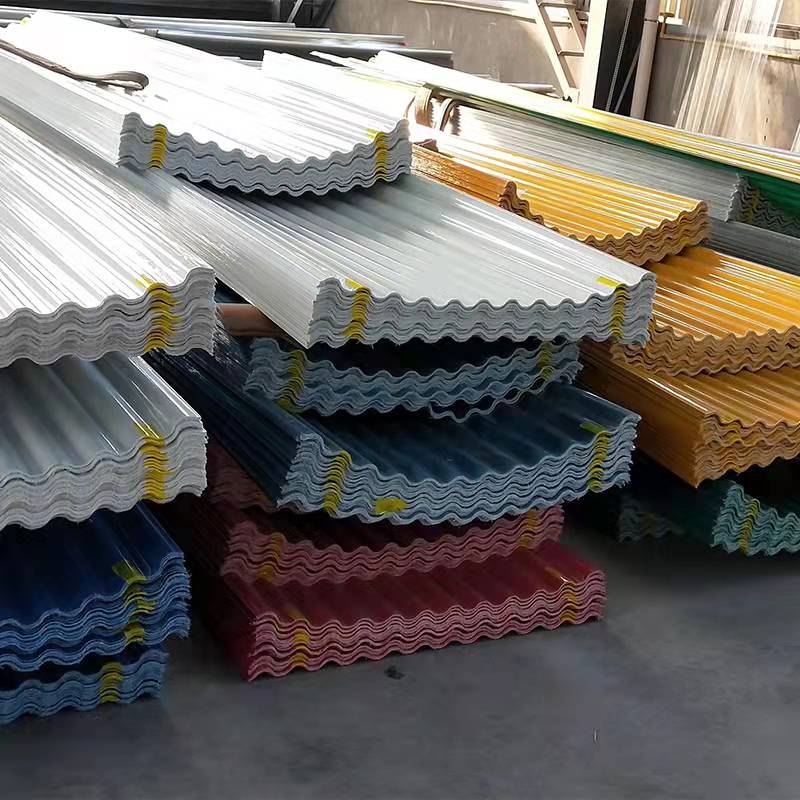
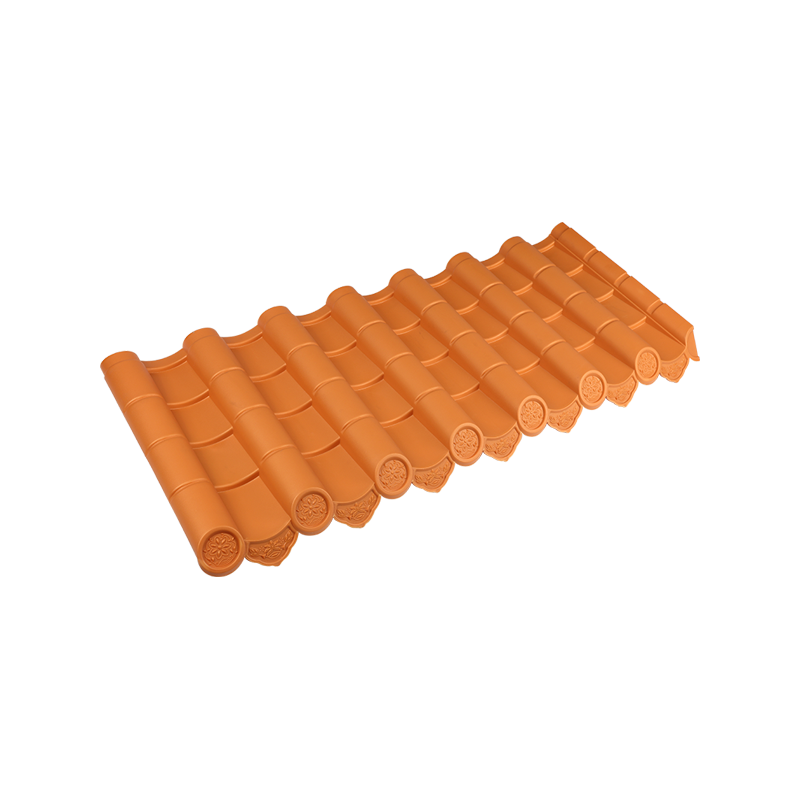
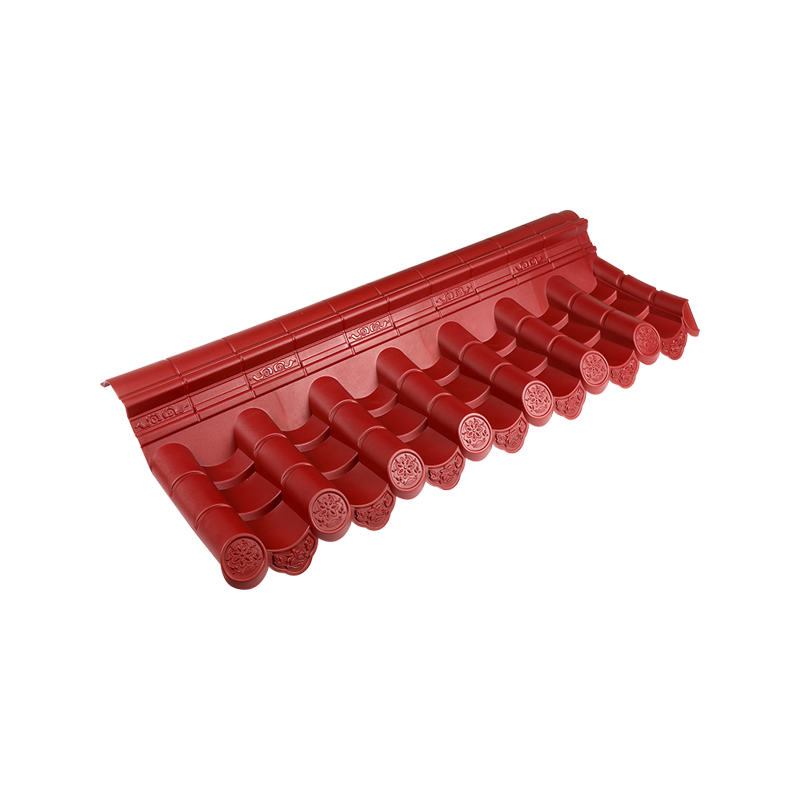
Synthetic "eco-friendly" roofing often refers to products made with recycled polymers or composite blends engineered to mimic slate, shake, or tile while reducing weight and improving impact resistance.
Modern alternatives made from recycled polymers
These products may incorporate recycled plastics, rubber, or mixed polymer streams. Sustainability gains typically come from:
- diverting waste from landfill,
- reducing transport emissions through lighter weight,
- extending service life with engineered durability.
Performance compared to traditional materials
High-quality synthetics can offer strong resistance to impact, moisture, and freeze-thaw cycling. However, performance varies widely by manufacturer and formulation, so testing standards, warranties, and field history matter.
Lightweight design and installation advantages
Because they are lighter than slate or many tile systems, synthetics can:
- reduce structural reinforcement needs,
- simplify handling and installation logistics,
- lower embodied impacts from reduced transport weight.
Sustainability trade-offs to consider
Potential downsides include:
- uncertain end-of-life recycling pathways for composites,
- additives and formulations that may complicate material recovery,
- "greenwashing risk" if recycled content is low or unverified.
The most credible synthetic options provide transparent recycled-content claims, robust durability data, and clear guidance on end-of-life handling.
Comparing the 8 Eco-friendly Roofing Materials
Eco-friendly roofing decisions get easier when you compare options across the same four lenses: performance, environmental impact, cost vs. long-term value, and best-fit use cases. No material wins every category; the "greenest" roof is the one that performs reliably in your climate, lasts long enough to avoid premature replacement, and supports your project's energy goals.
Performance comparison: durability, insulation, lifespan
Below is a practical, decision-oriented snapshot. Actual outcomes depend on design details (underlayment, ventilation, insulation, fastening, slope) and installation quality.
|
Material |
Durability / Risk Profile |
Thermal Behavior |
Typical Lifespan Value |
|
Recycled metal |
High wind/fire resistance; dent risk varies by gauge/profile |
Reflective finishes + ventilated assemblies can reduce heat gain |
High (often decades) |
|
Cool roofs (reflective systems) |
System-dependent; coatings require upkeep |
Strong reduction in solar heat gain; best in cooling climates |
Medium to high (varies by membrane/coating) |
|
Clay/concrete tiles |
Very durable; breakage risk from impact/foot traffic |
Thermal mass moderates swings; needs good underlayment/venting |
High (often decades) |
|
Green roofs |
Waterproofing must be top-tier; root/water management critical |
Added insulation + evapotranspiration cooling |
Medium to high (often extends membrane life when designed well) |
|
Solar roofing (panels/shingles) |
Hardware and roof condition matter; storm/impact resilience varies |
Cuts operational energy by generating electricity |
High value when roof + PV are matched in lifespan |
|
Slate |
Exceptional durability; brittle under impact; specialized repair |
Neutral thermal benefit; value is longevity |
Very high (multi-decade to generational) |
|
Wood shingles/shakes |
Weathering, moisture, fire exposure are key risks |
Moderate insulation value; depends on assembly |
Medium (can be high with ideal conditions/maintenance) |
|
Synthetic recycled materials |
Impact/moisture resistant; quality varies widely |
Thermal depends on color/assembly |
Medium to high (manufacturer-dependent) |
Environmental impact comparison
- Environmental impact has two big components:
- Embodied impact (materials extraction + manufacturing + transport)
- Operational impact (energy use during decades of heating/cooling)
- A durable roof with meaningful energy savings can outperform a "low-embodied" roof that fails early.
- Strong embodied-impact performers: recycled metal (high recycled content), long-life materials like slate (fewer replacement cycles), some synthetics using diverted waste streams.
- Strong operational-impact performers: cool roofs (reduced cooling load), green roofs (cooling + stormwater), solar roofing (on-site renewable generation).
- Conditional performers: wood (excellent when responsibly sourced and long-lived; weaker if maintenance and fire requirements shorten life or introduce heavy chemical treatments).
Cost vs long-term value
Upfront price can be misleading. Long-term value depends on:
- replacement frequency (tear-off costs + waste),
- maintenance intensity and repairability,
- energy cost reductions (cool roof effects, solar generation),
- resilience value (fire, wind, hail) and insurance impacts in some regions.
In many markets, metal, tile, slate, and well-designed solar are "high upfront, high longevity." Cool roofs and some synthetics can be "moderate upfront, strong payback" when they reduce cooling costs and stabilize operations.
Best use cases for each material
- Recycled metal: wildfire-prone regions, high-wind zones, long-life residential and commercial roofs, projects prioritizing recyclability and lower maintenance.
- Cool roofs: hot/sunny climates, large commercial roofs with high cooling loads, urban heat island mitigation goals.
- Clay/concrete tile: hot climates and architectural styles that benefit from thermal mass; projects with sufficient structural capacity.
- Green roofs: dense urban sites needing stormwater control and heat reduction; buildings with long-term ownership and maintenance capability.
- Solar roofing: owner-occupied or long-hold projects; high electricity prices; good solar access and favorable interconnection rules.
- Slate: heritage or premium architecture; long-term stewardship; structures that can carry the load.
- Wood shingles/shakes (certified): specific aesthetic goals in appropriate climates with fire-compliant assemblies and planned maintenance.
- Synthetic recycled roofing: where weight limits exclude tile/slate, and impact resistance is needed; projects requiring consistent appearance with lower structural demands.
How to Choose the Right Sustainable Roofing Material for Your Project
Choosing a sustainable roof is a structured exercise in fit: climate fit, building fit, budget fit, and compliance fit. The goal is to reduce lifetime environmental impact without trading away reliability.
Climate and geographic considerations
Climate determines what "sustainable" looks like in practice.
- Hot, sunny climates: prioritize cool roof properties (high reflectance/emittance), ventilation, and materials that tolerate UV and heat cycling. Solar roofing often has strong ROI.
- Cold, heating-dominated climates: focus on air sealing, insulation strategy, ice-dam resilience, and durable assemblies. A highly reflective roof may offer less annual benefit, though it can still help in shoulder seasons or for cooling loads.
- Coastal / marine environments: corrosion resistance (metal selection and coatings), fastener compatibility, and wind uplift design become sustainability issues because failures cause early replacement.
- High-wind/hurricane regions: attachment method and tested uplift ratings may matter more than material type.
- Hail zones: impact ratings and repairability can dominate lifecycle costs and waste.
Budget planning and lifecycle cost analysis
Use lifecycle cost thinking rather than first cost:
- CapEx: material + labor + structural upgrades (tile/slate/green roofs may trigger this).
- OpEx: maintenance, cleaning, coatings, inspections, repairs.
- Energy: HVAC savings from reflectivity/insulation effects; solar generation value.
- End-of-life: tear-off complexity, landfill costs, recyclability.
A simple decision rule: if you expect to own the building for a long time, prioritize longevity and low maintenance. If ownership horizon is shorter, prioritize credible energy payback and broad market acceptance.
Building type and structural capacity
Sustainability is constrained by physics and structure.
- Weight limits: slate and tile can require reinforcement; green roofs require careful saturated-load calculations.
- Roof slope: some systems are better suited to low-slope commercial roofs (many cool roof membranes, many PV layouts), while slate/wood/tile often suit steep-slope architecture.
- Usage patterns: warehouses and big-box retail often benefit from cool roofs and PV; multifamily may benefit from resilience and reduced peak overheating; civic buildings may value stormwater and biodiversity features.
Local building codes and sustainability goals
Codes may dictate:
- fire rating requirements (critical for wood and in wildfire interfaces),
- wind uplift standards,
- cool roof reflectance requirements in certain jurisdictions,
- stormwater retention targets that make green roofs attractive.
Sustainability goals may include emissions reduction targets, material transparency requirements, or circularity objectives. Make sure product documentation supports those goals
Installation, Maintenance, and Longevity Considerations
Sustainable roofing fails when execution fails. The greenest material is not sustainable if it leaks, warps, blows off, or requires premature replacement due to poor detailing.
Importance of proper installation for sustainability
Installation quality affects:
- waterproofing integrity (flashing at penetrations, valleys, transitions),
- air leakage (a major driver of heat loss/gain and moisture problems),
- wind performance (fastening patterns, edge details),
- thermal performance (venting paths, insulation continuity, avoidance of compression).
Many "material" problems are actually detailing problems—especially around roof edges, gutters, skylights, vents, and parapets.
Maintenance requirements across different materials
Maintenance intensity varies:
- Low maintenance (typically): metal, slate (with specialist repair), well-designed tile systems.
- Moderate maintenance: cool roof coatings (recoating/cleaning for reflectivity), synthetics (inspection of fasteners and details).
- Higher ongoing maintenance: green roofs (drainage, plant health, weeds), wood (cleaning, moss control, periodic treatment/repair), solar (inverter monitoring, occasional cleaning, electrical checks).
Plan maintenance at design time. A green roof without a realistic maintenance plan is not sustainable—it's a slow-motion failure.
How lifespan affects overall environmental impact
Lifespan changes the math more than most people expect. If Roof A lasts twice as long as Roof B, Roof B may require:
- multiple tear-offs,
- multiple manufacturing cycles,
- repeated transport and installation impacts,
- more landfill waste.
Long life also protects the building envelope, reducing the risk of moisture damage to insulation and interior finishes—hidden impacts that rarely appear in "materials-only" comparisons.
Environmental and Economic Benefits of Sustainable Roofing
Eco-friendly roofing delivers benefits that show up on utility bills, comfort metrics, asset value, and increasingly in financing and disclosure requirements.
Energy savings and reduced carbon footprint
Sustainable roofs reduce operational emissions by:
- lowering cooling demand (cool roofs, green roofs, reflective metal),
- improving envelope stability (durable systems that maintain airtightness and insulation performance),
- generating clean electricity (solar).
The carbon benefit depends on local grid intensity and the roof's service life. The longer a high-performing roof stays in place, the more its operational savings compound.
Increased property value and market appeal
Market appeal comes from:
- lower energy costs and heat resilience,
- longer replacement intervals (especially for metal, tile, slate),
- modern "future-ready" features (solar readiness, stormwater features).
For commercial property, a high-performance roof can reduce operating risk and support tenant comfort—both of which can influence retention and leasing outcomes.
Contribution to green building certifications
Many green building and sustainability frameworks reward:
- energy performance improvements (cool roofs, PV),
- stormwater management (green roofs),
- responsible sourcing and recycled content (recycled metal, certified wood),
- durability and lifecycle planning.
Even when certification is not the goal, the same criteria provide a useful checklist for credible sustainability.
Common Myths About Eco-friendly Roofing Materials
Eco-friendly roofing is often misunderstood because "green" is treated as a style choice rather than a performance strategy.
Cost misconceptions
- Myth: Eco-friendly roofs are always more expensive.
- Reality: Some are higher upfront (slate, green roofs, solar integration), but many deliver lower lifetime cost through energy savings, fewer repairs, and longer replacement cycles. In hot climates, a well-specified cool roof can be among the fastest payback upgrades.
Performance and durability myths
- Myth: Sustainable materials are less durable.
- Reality: Several sustainable options are chosen specifically for durability—metal, tile, and slate are longevity-first materials. Durability depends on system design and installation quality as much as the material category.
Aesthetic limitations—fact vs perception
- Myth: Eco-friendly roofing forces a "modern" or utilitarian look.
- Reality: Slate, tile, wood, and high-quality synthetics cover traditional aesthetics; solar can be integrated in low-profile ways; cool roof solutions now include more color and design flexibility than the old "bright white only" stereotype.
Future Trends in Eco-friendly Roofing
Roofing is moving toward systems that are energy-active, data-informed, and circularity-aware.
Advancements in materials science
Expect continued development in:
- higher-performance reflective pigments that maintain color while improving reflectance,
- membranes and coatings with longer reflectivity retention (less soiling sensitivity),
- improved impact resistance and weathering in synthetics,
- lower-carbon binders and cement alternatives influencing concrete tile footprints.
Smart roofing and energy-integrated systems
Roofs are increasingly becoming platforms for:
- solar + storage integration,
- sensors for leak detection and moisture monitoring,
- predictive maintenance (especially on large commercial portfolios),
- combined systems (cool roof membranes designed with PV performance in mind, or green roofs paired with PV where appropriate).
The sustainability advantage is not just energy—it's reduced failure risk and extended service life through better monitoring.
Increasing regulatory and consumer demand
More jurisdictions are adopting:
- cool roof performance requirements in specific climate zones,
- stormwater regulations that green roofs can help satisfy,
- building performance standards that push owners toward envelope upgrades and on-site generation.
Consumers are also more informed: transparency on recycled content, warranties, and end-of-life options is becoming a differentiator rather than a bonus.
A sustainable roof is a long-term investment in performance and efficiency, not just a material choice. From recycled metal and cool roofs to clay/concrete tiles, green roofs, solar systems, slate, certified wood, and synthetic recycled options—each can excel when matched to your climate, building, and goals.
Success depends on balancing three key factors:
- Sustainability: meaningful energy savings, lower emissions, and reduced waste over the full lifecycle
- Performance: strong durability against local weather and manageable long-term maintenance
- Design: aesthetic fit, code compliance, and architectural harmony
Eco-friendly roofing delivers lasting benefits in energy use, comfort, resilience, and replacement cycles. Treat it as a complete system—quality materials, proper installation, and ongoing care—for results that endure.
At Hangzhou Chuanya Building Materials Co., Ltd., we provide durable, energy-efficient eco-roofing solutions designed to support this integrated approach. Contact us to find the right sustainable roofing system for your project.

 Email:
 Phone:
 Adress: