



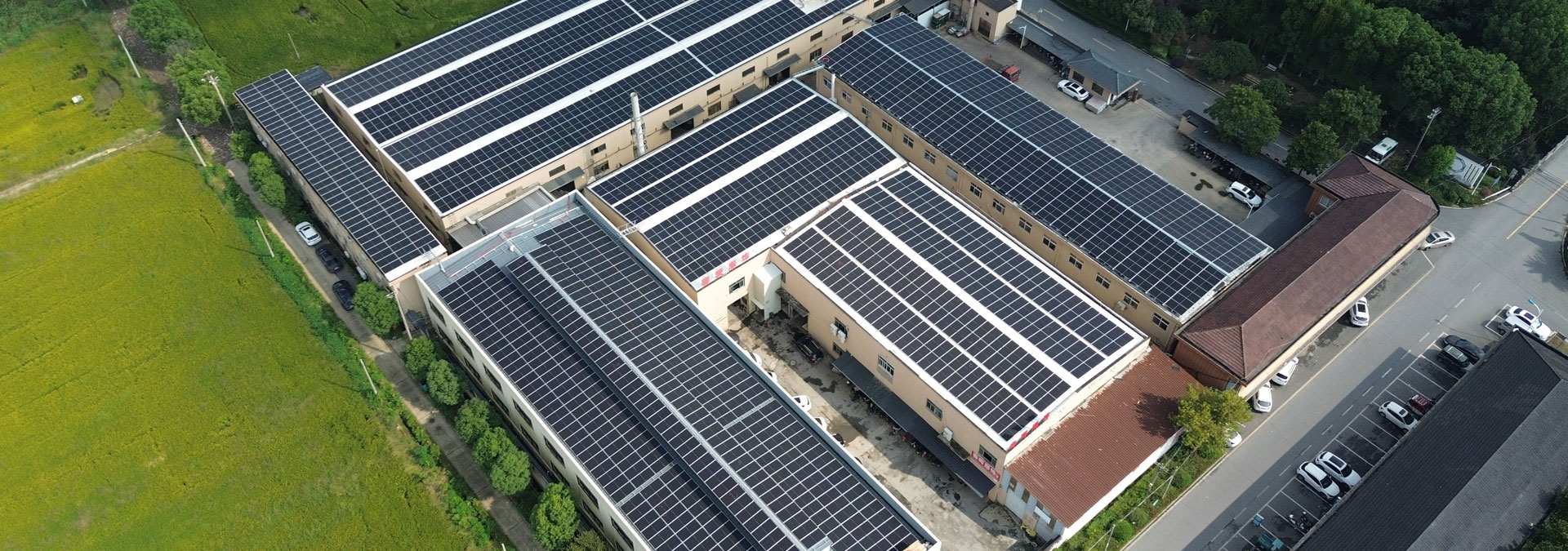
Eco-friendly roofing materials are roofing products and assemblies designed to reduce environmental impact across their full lifecycle—from raw material sourcing and manufacturing to decades of use, maintenance, and end-of-life handling. In modern construction, "eco-friendly" is not a single attribute. It typically combines several measurable characteristics:
- Lower embodied impact: reduced greenhouse gas emissions and resource intensity during extraction, manufacturing, and transport.
- High circularity potential: meaningful recycled content, strong recyclability, or credible reuse pathways at end of life.
- Operational efficiency: the ability to reduce building energy demand through reflectivity, insulation compatibility, airtightness support, or integration with solar.
- Longevity and repairability: long service life with practical maintenance and localized repair options that avoid premature replacement.
- Responsible chemistry and transparency: products that provide clear documentation on composition, performance testing, and environmental declarations where available.
In other words, eco-friendly roofing is best evaluated as a system outcome: how the roof performs over time and what it costs the environment to keep it performing.
Importance of Sustainable Roofing in Modern Construction
Roofing sits at the intersection of energy, resilience, and material consumption. It is one of the most exposed building components, taking constant impact from sun, wind, rain, temperature swings, and physical wear. That exposure makes the roof a major driver of:
- Energy performance: Roof temperature and insulation integrity strongly influence cooling and heating loads, especially on top floors and on large, low-slope buildings.
- Lifecycle waste: Roofing is replaced more frequently than many other building systems. A roof that fails early multiplies landfill waste and embodied emissions through repeated tear-offs and reinstallation.
- Climate resilience: Extreme weather is increasing the cost of failures. A resilient, well-detailed roof prevents water intrusion that can destroy insulation and interior finishes—hidden impacts that can outweigh the roof material itself.
Sustainable roofing is therefore not a "nice-to-have." It is a practical strategy for reducing emissions, controlling operating costs, and protecting the long-term value of a building.
Environmental Benefits of Eco-friendly Roofing
Eco-friendly roofs deliver environmental value in multiple ways, often combining lower embodied impact with lower operational impact. The most effective solutions match the building's climate and use case, because a roof's sustainability is heavily shaped by real-world performance.
1 Reduced Carbon Footprint: Lower greenhouse gas emissions in production and use
A roof's carbon footprint comes from two sources:
- Embodied carbon (production and installation): emissions from raw material extraction, manufacturing energy, and transport.
- Operational carbon (use phase): emissions from the energy the building consumes for heating and cooling over decades.
Eco-friendly roofing reduces embodied carbon by using recycled feedstocks, minimizing virgin extraction, optimizing material efficiency, and—most importantly—lasting longer so it does not need repeated replacement. It reduces operational carbon by lowering thermal loads through reflective surfaces, stable insulation performance, and—when applicable—integrated solar generation.
A key insight is that durability is a carbon strategy: extending service life spreads the upfront emissions over more years, often delivering a lower carbon impact per year of use.
2 Waste Reduction: Use of recycled or recyclable materials
Roofing waste is a major contributor to construction and demolition landfill streams. Eco-friendly roofing addresses this in three ways:
- Recycled content: using reclaimed metals, recycled polymers, or recycled mineral inputs reduces demand for virgin materials and diverts waste from disposal.
- Recyclability: materials like metal have strong recovery value and established recycling infrastructure, making it more likely they will be recycled at end of life.
- Design for repair and replacement planning: roof systems that allow localized repairs (instead of full tear-offs) reduce waste dramatically, even if the material itself is not "perfectly recyclable."
Waste reduction also depends on construction practices: accurate ordering, prefabrication when feasible, and proper sorting of scrap material during installation.
3 Energy Efficiency: Insulation properties, reflective surfaces, and reduced energy consumption
Roofs influence energy use through heat transfer mechanisms—solar radiation absorption, conduction through roof layers, and air leakage at joints and penetrations. Eco-friendly roofing improves energy efficiency by supporting:
- Reflective surfaces (cool roof effect): high reflectance and thermal emittance can reduce roof surface temperatures and lower cooling demand in warm climates.
- Insulation performance: roof assemblies that maintain dry, continuous insulation deliver consistent thermal resistance over time.
- Airtightness and thermal bridging control: minimizing air leakage and heat bypass paths often yields energy savings comparable to (or greater than) changing the roof covering alone.
In practical terms, the most energy-efficient roof is usually a combination of correct insulation strategy + careful air sealing + a surface chosen for the climate.
4 Stormwater Management and Green Roofs: How certain materials support environmental health
Some eco-friendly roofing strategies provide environmental benefits beyond carbon and energy:
- Green (living) roofs: Vegetated systems retain and slow stormwater runoff, reducing peak flows that stress urban drainage infrastructure. They can also filter pollutants, support biodiversity in dense areas, and reduce local heat through evapotranspiration.
- Roof systems designed for controlled drainage: Even non-vegetated roofs can contribute by using water management layers and planning drainage to reduce erosion and overflow risk.
- Durable waterproofing and root-resistant detailing: These are essential; without reliable waterproofing, a green roof can create repair cycles that undermine sustainability.
Stormwater management value is highly site-dependent, but in many cities it has become a core sustainability objective alongside energy performance.
Economic Advantages
Eco-friendly roofing is often framed as an environmental choice, but it can be equally compelling as a financial strategy—especially when evaluated over the roof's full service life rather than the initial invoice.
1 Long-term Savings: Reduced energy bills through insulation and reflectivity
Energy savings are the most direct economic benefit:
- Reflective roofs can reduce cooling loads and peak demand charges in warm climates.
- Well-designed roof insulation and air sealing reduce heating and cooling costs across climate zones.
- Stable roof performance also reduces comfort complaints and can lessen strain on HVAC equipment, potentially extending system life.
Savings depend on local energy prices, climate, building operation hours, and whether the roof's performance is maintained over time.
2 Durability and Low Maintenance: Less frequent repairs or replacements
A roof's true cost includes disruption and risk:
- Fewer leaks reduce damage to insulation, ceilings, finishes, and equipment.
- Longer replacement intervals reduce demolition and disposal costs, permitting and labor expenses, and business interruption for commercial buildings.
- Predictable maintenance (scheduled inspections and minor repairs) is typically cheaper than reactive emergency fixes after storms.
From a lifecycle perspective, a durable roof is often the lowest-cost option—even if it is not the cheapest upfront.
3 Incentives and Tax Credits: Government rebates for sustainable roofing installations
Many jurisdictions offer incentives for roofing measures that reduce emissions or improve resilience, such as:
- solar installations and related electrical upgrades,
- energy-efficiency improvements tied to reflective roofs or improved insulation,
- programs focused on stormwater management where green roofs qualify,
- local rebates supporting heat island mitigation or building performance standards.
Because incentives vary by location and change over time, the best practice is to treat them as an upside and ensure the project's financial case still works without relying entirely on subsidies.
4 Increased Property Value: Appeal to eco-conscious buyers
Sustainable roofing can improve property value through both perception and performance:
- lower operating costs and better comfort support stronger buyer and tenant demand,
- long-life roofs reduce perceived capital risk (fewer near-term replacement concerns),
- visible sustainability features—such as solar—signal a modern, future-ready building,
- improved resilience can be attractive in regions facing wildfire, storms, or extreme heat.
In many markets, sustainable features are shifting from "premium extras" to baseline expectations, especially for commercial tenants with ESG commitments.
Health and Comfort Benefits
Eco-friendly roofing is often discussed in terms of carbon and cost, but its human benefits are just as important. A roof influences the indoor environment every day by affecting air quality, temperature stability, humidity behavior, and even how much outside noise reaches living and working spaces. When a “green” roof is specified as a complete assembly—materials, underlayment, insulation, ventilation, and detailing—it can meaningfully improve comfort while reducing environmental impact.
1 Indoor Air Quality: Materials free from harmful chemicals
Indoor air quality (IAQ) is shaped by more than interior paint and furniture. Roofing components can introduce odors or chemical emissions, particularly during installation or in the first months of service. Eco-friendly roofing strategies support healthier indoor environments through:
- Lower-emitting materials and accessories: Selecting products with reduced volatile organic compound (VOC) content in adhesives, sealants, and coatings can lessen installation-related odors and potential occupant irritation.
- Responsible material chemistry: Some roofing systems rely heavily on solvents or additives; others use more stable formulations. A sustainability-minded specification typically asks for clear product disclosures and avoids unnecessary chemical complexity.
- Moisture control that prevents mold risk: Many IAQ issues are not chemical—they are biological. A watertight roof with correct flashing, continuous air sealing, and controlled ventilation helps keep insulation dry and reduces conditions that promote mold growth.
- Compatibility with ventilation systems: Roof design affects attic and roof-cavity ventilation (where used) and therefore humidity levels. Balanced ventilation protects both building durability and occupant comfort.
The most "health-forward" roof is one that avoids avoidable chemical exposure and prevents chronic moisture intrusion—because damp insulation and hidden leaks can degrade air quality long after installation.
2 Thermal Comfort: Temperature regulation in homes
Thermal comfort is influenced by the roof's surface temperature, insulation performance, and air leakage pathways. Eco-friendly roofs improve comfort by:
- Reducing overheating: Reflective surfaces, ventilated assemblies, and green roof shading can lower roof deck temperatures, helping top floors feel less “baked” in summer.
- Maintaining winter warmth: Continuous insulation and airtight roof-to-wall transitions reduce drafts and heat loss, improving comfort even when thermostat settings stay the same.
- Stabilizing indoor temperatures: Materials with thermal mass (such as tile) and assemblies designed to manage heat flow can reduce indoor temperature swings, improving comfort during day-night cycles.
- Protecting HVAC performance: A stable roof assembly reduces peak heating and cooling loads, which can improve how efficiently HVAC systems operate and reduce hot/cold spots.
In practice, comfort gains come less from a single roofing material and more from the roof working as a coordinated system: air sealing + insulation continuity + climate-appropriate surface strategy.
3 Noise Reduction: Certain eco-friendly materials reduce external noise
Roofs can transmit external noise from rain, hail, wind, and nearby traffic. Noise control depends on the entire roof/ceiling assembly, but some eco-friendly strategies help:
- Green roofs: Vegetation layers and growing media can dampen sound, especially in urban settings where rooftop noise is persistent.
- Tile and slate assemblies: Heavier materials often provide better sound attenuation than lightweight coverings, assuming the underlayment and deck are properly detailed.
- Insulation and resilient ceiling construction: Even with metal roofing (which is sometimes criticized for noise), adequate sheathing, underlayment selection, attic insulation depth, and ceiling design can significantly reduce sound transmission.
Noise reduction is a quality-of-life benefit that can improve occupant satisfaction and building value—an often overlooked part of sustainable design.
Popular Types of Eco-friendly Roofing Materials
Eco-friendly roofing materials cover a wide spectrum of aesthetics, service lives, and environmental strategies. Some options win through circularity (recycled content and recyclability), some through longevity, and others through energy impact (cool roof behavior or solar generation).
1 Metal Roofing: Recycled metal, longevity, energy efficiency
Metal roofing is frequently considered a sustainability benchmark because it combines:
- High recyclability and scrap value: Metals are widely recovered at end of life, increasing the likelihood of diversion from landfill.
- Long service life: Durable systems reduce replacement cycles and associated waste.
- Energy performance options: Reflective finishes can reduce heat gain; the roof assembly can also be designed to support ventilation and strong insulation performance.
- Resilience benefits: Non-combustibility and strong wind performance (when tested systems are used) can reduce catastrophic loss risk.
Key considerations include upfront cost, installer experience, and detailing for thermal movement and penetrations.
2 Recycled Asphalt Shingles: Cost-effective, eco-conscious option
Recycled-content asphalt or composite shingles aim to reduce landfill burden and lower costs compared to premium long-life roofs. Their sustainability benefits typically include:
- Use of recycled inputs: Depending on formulation, they may incorporate recycled plastics, rubber, or reclaimed asphalt content.
- Familiar installation methods: This can reduce labor complexity and make quality installation easier to scale.
- Potential energy improvements: Lighter colors or enhanced reflective granules can reduce heat absorption compared with conventional dark shingles.
Limitations are product variability, moderate lifespan compared with metal/tile/slate, and potential aesthetic aging such as fading over time.
3 Clay and Concrete Tiles: Natural materials, thermal benefits
Clay and concrete tiles are valued for:
- Durability and weather tolerance: Especially strong against UV exposure and rot.
- Thermal mass effects: They can help moderate temperature swings when the roof assembly supports airflow and correct underlayment detailing.
- Aesthetic longevity: Many projects choose tile for a look that remains desirable across decades, reducing pressure for replacement due to "style obsolescence."
Trade-offs include heavier structural loads, higher labor skill requirements, and embodied emissions associated with cement production (for concrete tiles), which is typically offset over time through long service life.
4 Wood Shingles/Shakes: Biodegradable, sustainably sourced
Wood is compelling when it is responsibly sourced and appropriate for local conditions:
- Renewable feedstock: When forests are managed well, wood can be a lower-embodied-energy option.
- Biodegradability and natural appearance: Wood offers a distinctive architectural character that can align with regional design traditions.
However, sustainability depends on certification and on meeting fire and moisture performance expectations. In many regions, wood roofing requires treatments and careful maintenance, which can complicate end-of-life handling and long-term environmental claims.
5 Green Roofs (Living Roofs): Vegetation benefits, insulation, biodiversity
Green roofs deliver benefits beyond the building itself:
- Stormwater retention: Reduces peak runoff and can support compliance in dense urban areas.
- Urban heat mitigation: Evapotranspiration and shading reduce local heat island effects.
- Biodiversity potential: When designed intentionally, they can create habitat in otherwise hardscaped environments.
- Thermal and acoustic advantages: Additional layers can improve summer comfort and reduce sound transmission.
Green roofs require structural verification (including saturated load), robust waterproofing, drainage detailing, and a realistic maintenance plan.
6 Solar Roofing: Dual function of electricity generation and roofing
Solar roofing—either integrated solar shingles/tiles or conventional panels mounted over roofing—offers a distinctive sustainability pathway:
- Operational carbon reduction: On-site electricity generation can meaningfully lower net emissions over the building's life.
- Synergy with durable roofs: The best outcomes occur when solar is installed over a roof that will last as long as the PV system, avoiding premature removal and reinstallation.
- Long-term value: Savings depend on local electricity costs, shading, orientation, and incentive structures.
Key design issues include watertight mounting and flashing, service access, electrical safety, and planning for end-of-life component recycling or take-back programs where available.
Comparative Analysis
Comparing eco-friendly roofing options is easiest when you separate first cost from lifecycle value, and embodied impact from operational performance. The "greenest" choice is rarely universal; it is the one that best matches climate, building constraints, and maintenance capacity.
1 Cost Comparison: Initial cost vs. long-term savings
General cost patterns (highly dependent on region and roof complexity):
- Lower initial cost: recycled asphalt/composite shingles (often), some basic roofing systems with modest upgrades.
- Mid to higher initial cost: metal roofing, depending on profile and coatings.
- Higher initial cost: tile, slate, green roofs, and solar-integrated solutions due to materials, labor, and structural considerations.
Lifecycle savings may come from energy reduction (cool roof behavior, improved insulation strategy, solar generation), fewer repairs, and fewer replacement cycles. A useful metric is installed cost per year of expected service, plus expected energy savings.
2 Lifespan and Durability: Which materials last longest
Durability is one of the strongest predictors of sustainability:
- Longest typical service life: slate, high-quality metal, many tile systems—when installed with correct underlayment and flashing.
- Moderate to high (system dependent): solar roofing (often tied to both roof and PV component life), green roofs (can protect membranes but require maintenance).
- Moderate lifespan: asphalt/composite shingles (including recycled-content variants), highly dependent on ventilation, sun exposure, and weather events.
Durability is not only material strength; it is the reliability of details: edges, fasteners, transitions, penetrations, and drainage.
3 Environmental Impact: Recyclability, embodied energy, carbon footprint
Environmental impact differs by lifecycle stage:
- High recyclability and circularity: metal roofing generally performs strongly due to established recycling streams.
- Longevity-driven environmental value: slate and tile can be excellent because they reduce replacement frequency, even if manufacturing/quarrying impacts are not minimal.
- Waste-diversion value: recycled-content shingles and some synthetic roofs can reduce landfill input, but the full benefit depends on lifespan and end-of-life recovery options.
- Operational carbon advantage: solar roofing can offset emissions through energy generation, often becoming a major driver of net environmental performance when conditions are favorable.
- Site-wide environmental benefits: green roofs can provide stormwater and heat island benefits that extend beyond the building's energy meter.
The most honest sustainability comparisons consider both embodied and operational impacts—and whether the roof will realistically be repaired or prematurely replaced.
4 Suitability by Climate: Hot, cold, wet, or urban environments
Climate fit prevents early failure and maximizes energy benefits:
- Hot climates: prioritize reflective surfaces, ventilation design, robust UV resistance, and consider solar where sun access is strong. Metal with reflective finishes, cool roof strategies, green roofs (with water planning), and solar often perform well.
- Cold climates: prioritize insulation continuity, airtightness, moisture control, and ice-dam-resistant detailing. Material choice matters, but assembly detailing matters more. Durable systems that tolerate freeze-thaw cycles are key.
- Wet/humid climates: prioritize drainage, mold-resistant assemblies, corrosion resistance (where needed), and rigorous flashing. Some materials require more maintenance under persistent moisture conditions.
- Urban environments: green roofs can address stormwater and heat island goals; cool roofs can reduce neighborhood heat; acoustic benefits may be more valuable; fire ratings and rooftop equipment serviceability are often critical.
Quick comparison table (high-level guidance)
This table summarizes typical patterns; exact outcomes depend on product quality and assembly design.
|
Option |
Typical Strengths |
Key Trade-offs |
Best-fit contexts |
|
Metal roofing |
Recyclable, long life, reflective options |
Upfront cost; detailing for movement |
Hot, windy, wildfire-prone; long-term owners |
|
Recycled asphalt/composite shingles |
Lower cost; recycled inputs |
Shorter life vs premium roofs; fading variability |
Budget-conscious projects; standard steep-slope homes |
|
Clay/concrete tile |
Long life; thermal mass; classic look |
Heavy; higher labor/structure needs |
Hot/mixed climates; architectural tile styles |
|
Wood shingles/shakes |
Renewable aesthetic; potentially low embodied energy |
Fire/moisture constraints; maintenance |
Regions where permitted; design-driven projects |
|
Green roofs |
Stormwater + heat mitigation; comfort |
Structural load; maintenance |
Urban projects; stormwater compliance goals |
|
Solar roofing |
Energy generation; emissions reduction |
Requires roof-life alignment; service planning |
High electricity costs; good solar exposure |
Addressing Common Concerns
Choosing an eco-friendly roof often triggers the same four questions: "Will it cost more?", "Will it be harder to maintain?", "Will it look right?", and "Can my building even support it?" These concerns are valid—and they're also solvable when you evaluate roofing as a long-term building system rather than a one-time purchase.
1 Initial Cost Worries: ROI analysis
Upfront price is the most visible number, but it is rarely the most important number. A practical ROI analysis for sustainable roofing should include:
- Installed cost (capex): materials, labor, accessories, structural reinforcement (if needed), and disposal of the existing roof.
- Operating savings (opex): reduced heating/cooling demand from improved reflectivity, insulation continuity, and air sealing; potential electricity savings from solar.
- Maintenance and repair costs: inspection frequency, recoating cycles (for some cool roofs), vegetation upkeep (for green roofs), and expected minor repairs.
- Service life and replacement timing: the largest financial swing often comes from whether the roof lasts 15 years or 40 years.
- Risk and downtime costs: leaks, storm damage, and business interruption can dwarf incremental material costs, especially for commercial buildings.
A useful decision metric is cost per year of service:
- If Roof A costs less but needs replacement twice during the period Roof B lasts once, Roof B can be cheaper over time—even before energy savings.
- In hot climates, reflective roofs and well-designed metal systems may also deliver meaningful cooling savings, improving payback.
For solar roofing, ROI is typically driven by local electricity prices, shading, roof orientation, and system size. The sustainability "win" becomes financially credible when the PV system life is aligned with the roof life (so panels aren't removed early for re-roofing).
2 Maintenance Needs: What to expect for different materials
Eco-friendly does not automatically mean "maintenance-free." It usually means maintenance that protects performance and extends service life. Typical expectations by category:
- Metal roofing: generally low maintenance; periodic inspection of fasteners, seams, sealants, and coating condition. Keep drainage paths clear.
- Recycled/composite shingles: routine visual checks for lifting, granule loss, or storm damage; maintain flashings and ventilation to avoid accelerated aging.
- Clay/concrete tile and slate: occasional replacement of cracked/slipped pieces; attention to flashings and underlayment life; minimize careless foot traffic.
- Wood shingles/shakes: higher attention; manage moss/algae, check for splitting/cupping, and ensure drying/ventilation. Fire-code and treatment requirements may add constraints.
- Cool roof membranes/coatings (common on low-slope): inspections for punctures and seam integrity; cleaning to preserve reflectivity; recoating where specified.
- Green roofs: scheduled horticultural maintenance (especially during establishment), drain inspections, and waterproofing protection strategies.
- Solar roofing: performance monitoring, occasional cleaning based on soiling conditions, and electrical safety checks.
The sustainability link is straightforward: well-maintained roofs last longer and keep their energy performance, reducing both operational emissions and replacement waste.
3 Aesthetic Choices: Combining sustainability with design
A common misconception is that sustainable roofs force a narrow look (e.g., bright white membranes or conspicuous solar). In reality, you can usually meet both design and environmental goals by treating sustainability as performance criteria rather than a single material.
Ways to combine aesthetics with sustainability:
- Material selection that matches architectural language: standing-seam metal for modern designs; tile or slate profiles for traditional styles; composites that mimic premium looks with lower weight.
- Color strategy with climate awareness: in hot climates, lighter or "cool-colored" surfaces can reduce heat gain while still fitting a design palette.
- Solar integration choices: panels can be rack-mounted, low-profile, or integrated; layout can be aligned with roof geometry to reduce visual clutter.
- Detailing discipline: eaves, ridges, gutters, and flashing lines often influence perceived quality more than the base material itself.
Sustainable design is often less about "what it's made of" and more about "how well it is composed and detailed."
4 Installation Challenges: Structural considerations and contractor expertise
Installation quality is where many eco-friendly roofs either succeed brilliantly or fail expensively.
Common challenges include:
- Structural loading: tile, slate, and green roofs can be heavy; green roofs must consider saturated weight. Structural verification prevents deflection issues, cracking, and long-term waterproofing stress.
- Moisture and ventilation compatibility: an otherwise durable roof can rot a deck or degrade insulation if ventilation, vapor control, and air sealing are mismatched to climate.
- Penetrations and rooftop equipment: HVAC curbs, vents, skylights, and solar mounts are frequent leak points if not detailed with the correct accessories and sequencing.
- Specialized installation requirements: metal needs thermal movement detailing; membranes require seam/adhesion discipline; green roofs demand robust waterproofing and drainage layers.
Contractor expertise matters because roofing is a system of small decisions. Best practice is to select installers with documented experience in the specific system, not just "roofing in general," and to require as-built documentation of critical details.
Incentives, Certifications, and Regulations
Sustainable roofing decisions are increasingly shaped by external frameworks: financial incentives, third-party certifications, and local codes. These can improve project economics, reduce compliance risk, and add credibility to sustainability claims.
Tax credits, rebates, and grants for sustainable roofing
In many regions, incentives are available for measures that reduce energy use or add renewable generation. Common categories include:
- Solar incentives: tax credits, performance-based incentives, net metering benefits, and grants (varies widely by jurisdiction).
- Energy-efficiency rebates: programs tied to cool roof performance, insulation upgrades, or whole-building energy improvements.
- Stormwater-related incentives: some municipalities offer credits or reduced fees for green roofs that retain rainfall and reduce runoff.
- Resilience programs: in certain hazard-prone areas, upgrades that improve fire resistance or wind performance may be incentivized.
Because incentives change frequently, they should be treated as a project upside, not the only reason a system pencils out financially. The most robust financial plan still works if incentives are reduced or delayed.
Certifications like LEED, ENERGY STAR, or FSC
Certifications can help define "what counts" and provide a structured method for documenting results:
- LEED (Leadership in Energy and Environmental Design): may recognize roofing strategies that improve energy performance, reduce heat island effect, support stormwater management (green roofs), and use materials with environmental documentation.
- ENERGY STAR (where applicable): often used to identify roofing products with verified energy-related performance attributes, especially reflective roofing.
- FSC (Forest Stewardship Council): relevant for wood shingles/shakes and other wood-based components, supporting responsible forestry and chain-of-custody claims.
The main value of certifications is credibility and clarity: they reduce greenwashing risk by requiring evidence rather than marketing language.
Local building codes and sustainability standards
Codes define minimum safety and performance and can significantly narrow material options. Key areas include:
- Fire ratings and wildfire interface rules: can restrict wood roofing or require specific assemblies and detailing.
- Wind uplift and impact resistance: critical in hurricane and hail regions; fastening patterns and tested assemblies matter.
- Cool roof mandates: some jurisdictions require minimum reflectance/emittance for certain building types or climate zones.
- Stormwater requirements: may encourage green roofs or rooftop detention strategies.
Compliance is also a sustainability issue: late-stage code conflicts often lead to redesign, wasted materials, and schedule delays—none of which are environmentally friendly.
How to Choose the Right Eco-friendly Roofing Material
The "right" eco-friendly roof is the one that meets performance needs reliably in your climate, fits your budget and design intent, and has a realistic maintenance plan. The most sustainable roof is often the roof you don't have to replace early.
Factors to consider: Climate, budget, building type, maintenance
A practical selection framework starts with constraints:
- Climate and hazards: heat, cold, humidity, salt air, hail, high wind, wildfire, heavy snow/ice.
- Roof geometry and drainage: slope, complexity, valleys, penetrations, ponding risk (for low-slope).
- Building type and use: residential comfort priorities vs commercial service traffic and rooftop equipment; occupancy sensitivity to noise and odors.
- Structural capacity: especially for heavy systems (tile, slate, green roofs) and solar add-ons.
Maintenance capacity: who will inspect the roof, how often, and with what budget?
Matching material to reality is the fastest route to genuine sustainability.
Long-term goals: Energy savings, environmental impact, aesthetics
Once constraints are clear, set priorities:
- Energy-first: prioritize insulation continuity, airtightness, reflective surfaces in hot climates, and solar where feasible.
- Carbon and circularity-first: favor long-life, recyclable materials (often metals) and products with transparent recycled content and end-of-life pathways.
- Urban environmental goals: consider green roofs for stormwater and heat island mitigation where structure and maintenance allow.
- Design-driven projects: select a material that will remain desirable for decades (reducing “aesthetic replacement”), and ensure details look intentional and durable.
The best outcomes come from aligning goals so they reinforce each other—e.g., a durable roof that also supports solar and reduces cooling load.
Tips for consulting professionals and contractors
Professional input is most valuable early, before the roof type is locked in. Good consultation practices include:
- Ask for assembly thinking, not just product selection: request recommendations that include underlayment/membrane, insulation approach, ventilation strategy, and flashing details.
- Require evidence: tested performance ratings (wind/fire/impact), warranty terms, and clear documentation of environmental claims.
- Coordinate trades: solar installers, mechanical contractors, and roofers must agree on penetrations, curbs, and attachment points to avoid leaks and rework.
- Plan for lifecycle: request a written maintenance schedule and a realistic service-life expectation based on local climate and building use.
A sustainable roof is ultimately a disciplined partnership between design, materials, installation quality, and long-term care.
Future Trends in Eco-friendly Roofing
Eco-friendly roofing is moving beyond "greener materials" into a new phase: high-performance roof systems that generate energy, communicate condition data, and are designed for circularity. The next decade will likely reward solutions that reduce carbon in two ways at once—lower embodied impact at installation and lower operational impact year after year—while also improving resilience in a more extreme climate.
Emerging materials and technologies
Several innovations are reshaping how manufacturers and builders think about sustainable roofs:
- Solar shingles and building-integrated photovoltaics (BIPV): Rather than adding panels above a roof, BIPV turns the roof surface into an energy asset. The strongest value proposition appears where homeowners want a low-profile look, where roof lines are highly visible, or where local policy favors distributed generation. The key technical trend is improved integration of waterproofing details, wiring pathways, and service access so that "energy roof" does not mean "maintenance headache."
- Recycled composite roofing with higher performance consistency: Composite products that incorporate recycled plastics, rubber, or reclaimed mineral content are evolving from niche alternatives into engineered systems. The most credible products pair recycled inputs with standardized testing for impact resistance, UV stability, and wind performance. Expect more emphasis on traceable recycled content and better end-of-life pathways as circular construction becomes a procurement requirement.
- Cool roof surfaces that hold performance longer: Reflective roofs can lose effectiveness when they become dirty or weathered. New coating chemistries and surface designs are focused on maintaining reflectance, resisting biological growth, and reducing the need for frequent recoating. This is an important trend because sustainability is not just initial reflectivity—it is reflectivity that lasts.
- Design for disassembly and material recovery: Roofing is beginning to adopt ideas already present in other industries: modular components, standardized fasteners, and clearer separation of layers. The goal is to make future repair and recycling easier, reducing landfill waste and lowering lifecycle cost.
In practice, the "next big thing" is often not a single material. It's the ability to deliver durability + energy performance + credible environmental documentation as a single, verifiable package.
Integration with smart home systems
Smart roofing is becoming less about novelty and more about risk management—especially for buildings where a small leak can become a large loss.
Key integration trends include:
- Moisture and leak detection sensors: Embedded or strategically placed sensors can alert owners to moisture intrusion before it damages insulation, framing, or interior finishes. Early detection reduces repair scope and prevents the hidden environmental cost of replacing soaked materials.
- Performance monitoring as a service: For solar roofs, monitoring is already common. The next step is roof-health monitoring that combines sensor data, weather history, and inspection records to recommend maintenance at the right time—neither too late (failure) nor too early (wasteful intervention).
- Smart ventilation and energy coordination: In some homes, roof-related components (attic fans, HVAC controls, battery storage) can be coordinated to reduce peak temperatures and optimize energy use. While the roof itself is not “smart,” the roof system can become part of a broader efficiency strategy.
- Insurance and resilience signaling: As data becomes more reliable, roof-health records may support better claims documentation or improved insurance outcomes in high-risk regions. That possibility is pushing interest in standardized inspections, digital maintenance logs, and verified performance ratings.
The practical takeaway: the roof is gradually becoming a managed system rather than a "set it and forget it" surface.
Growing consumer demand and market projections
Even without quoting specific numbers, the direction is clear: demand for sustainable roofing is rising because it solves multiple problems at once.
The drivers are reinforcing each other:
- Higher energy awareness: More owners are comparing roofing options based on energy bills, comfort, and heat resilience, not just initial price.
- More frequent extreme weather: Wind, hail, wildfire, and heavy rainfall events are pushing consumers toward materials and assemblies that reduce failure risk.
- Policy and incentives: Solar adoption, cool roof requirements, and building performance standards are accelerating sustainable upgrades.
- Resale and reputation effects: Homebuyers and commercial tenants increasingly value lower operating costs and visible sustainability features.
- Supply chain maturity: As more manufacturers scale recycled inputs and standardized systems, eco-friendly options become easier to source and easier to install correctly.
The market is essentially rewarding roofs that are measurably better—not only "greener on paper."
Eco-friendly roofing is a smart, practical way to achieve strong performance and real sustainability—without sacrificing style or reliability.
Main Benefits
- Environmental: lower emissions, less waste, longer life, recyclability, plus heat/stormwater benefits.
- Economic: reduced energy bills, fewer repairs, longer service life, better asset value.
- Comfort & Health: stable temperatures, lower moisture risks, improved indoor quality.
- Aesthetic: versatile designs from classic tiles to modern metal and integrated solar.
The Winning Approach Treat the roof as a complete system: match materials to climate, ensure expert installation and detailing, and plan realistic maintenance. This turns sustainability into proven, long-term performance.
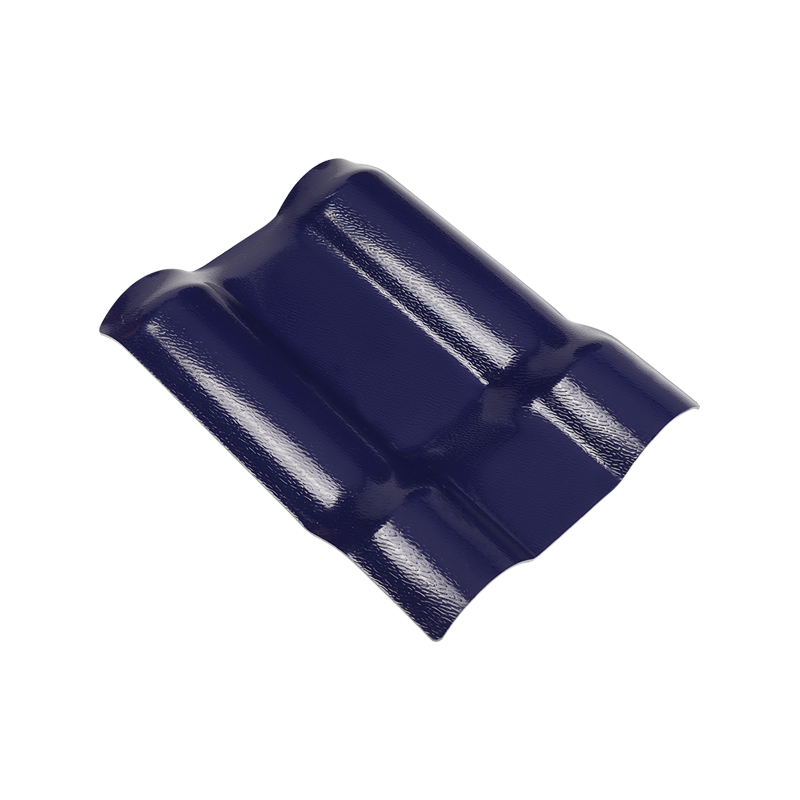
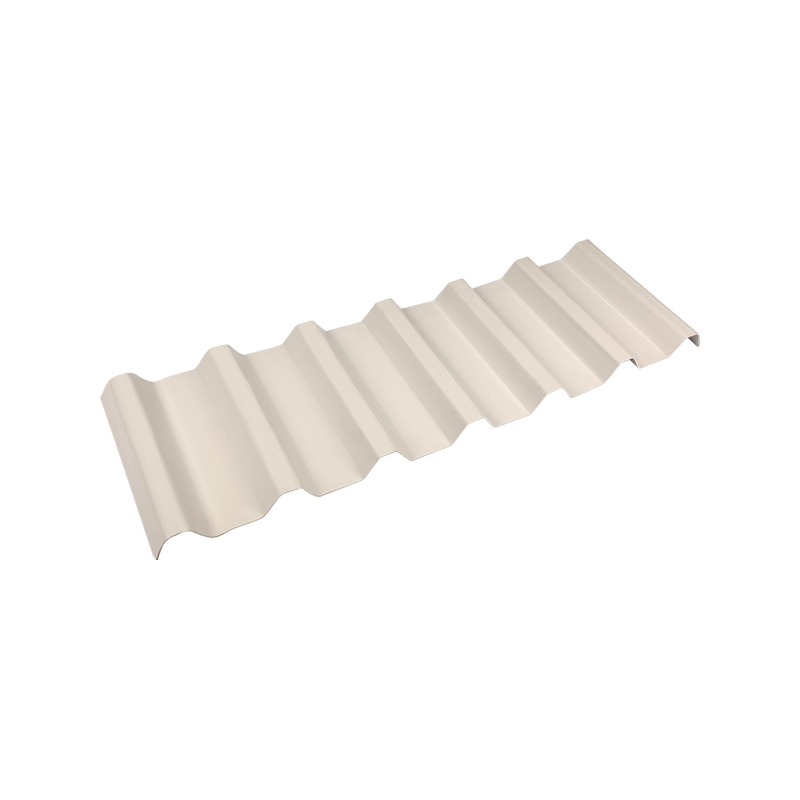
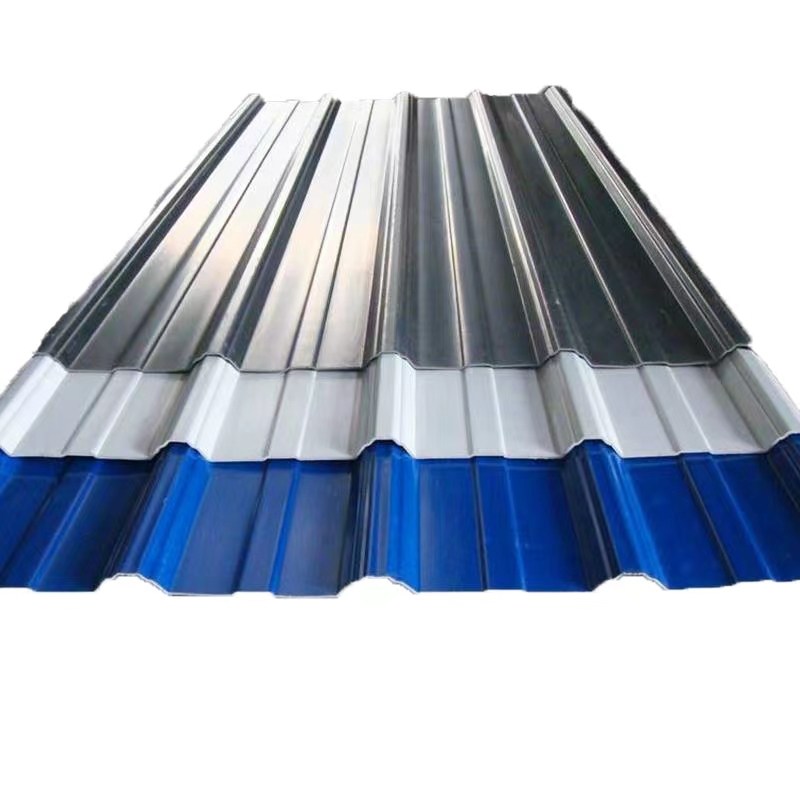
At Hangzhou Chuanya Building Materials Co., Ltd., we manufacture durable, energy-efficient eco-roofing materials designed for exactly these goals—helping you build roofs that last and perform responsibly.
Your roof lasts decades. Will your next one be an eco-friendly choice that delivers savings, comfort, resilience, and genuine environmental impact?

 Email:
 Phone:
 Adress: