



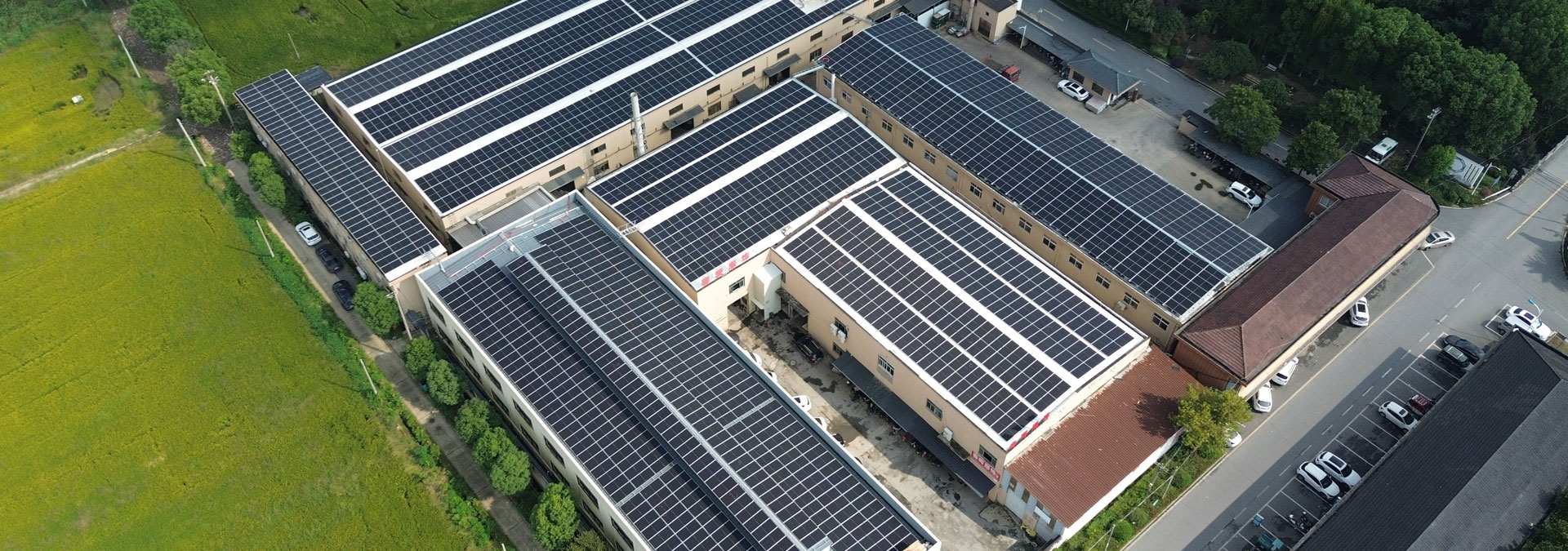
Noise pollution in buildings is an ongoing challenge in urban areas. As the density of cities increases and buildings become taller, noise from external sources and within the building itself has a greater impact on comfort and productivity. To address this, innovative materials such as Chinese ASA resin tile have emerged as effective solutions for reducing noise. These tiles not only provide aesthetic value and durability, but also significantly contribute to creating quieter, more peaceful environments. Let's explore how these tiles work to reduce noise in buildings and the benefits they offer.
What Are ASA Resin Tiles and How Do They Work?
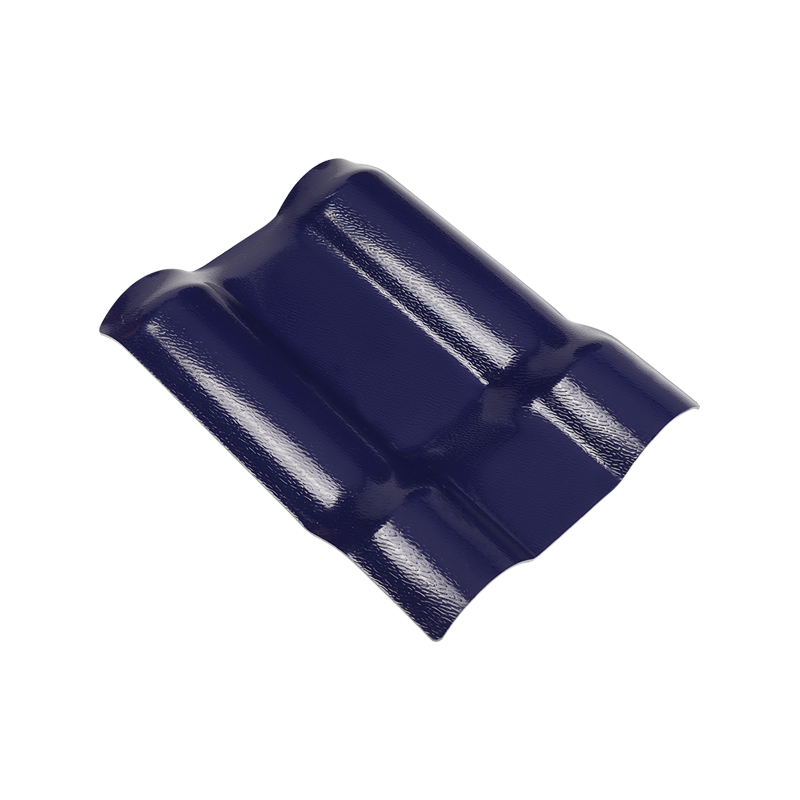
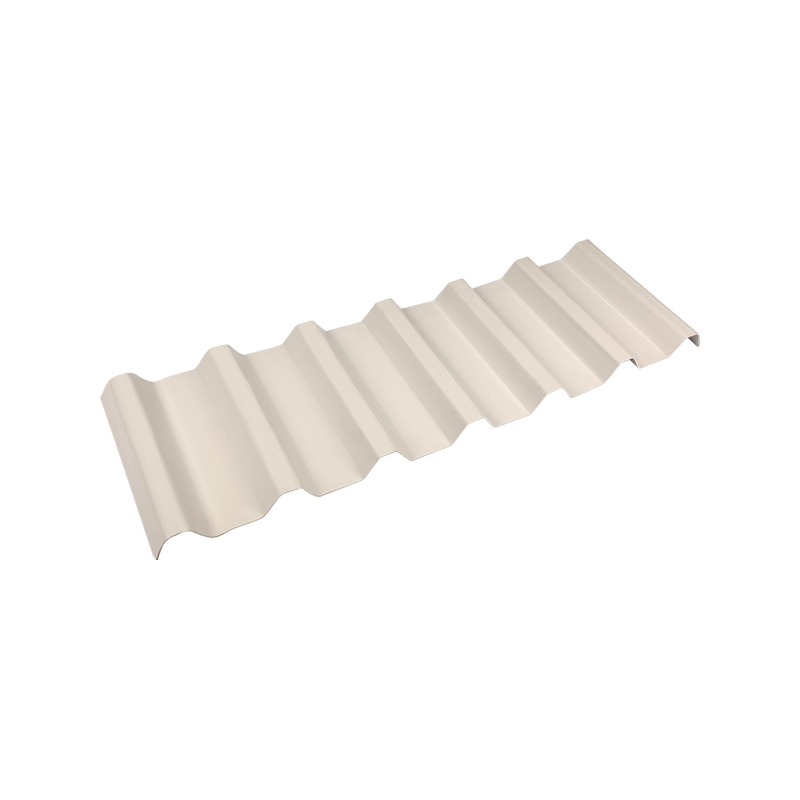
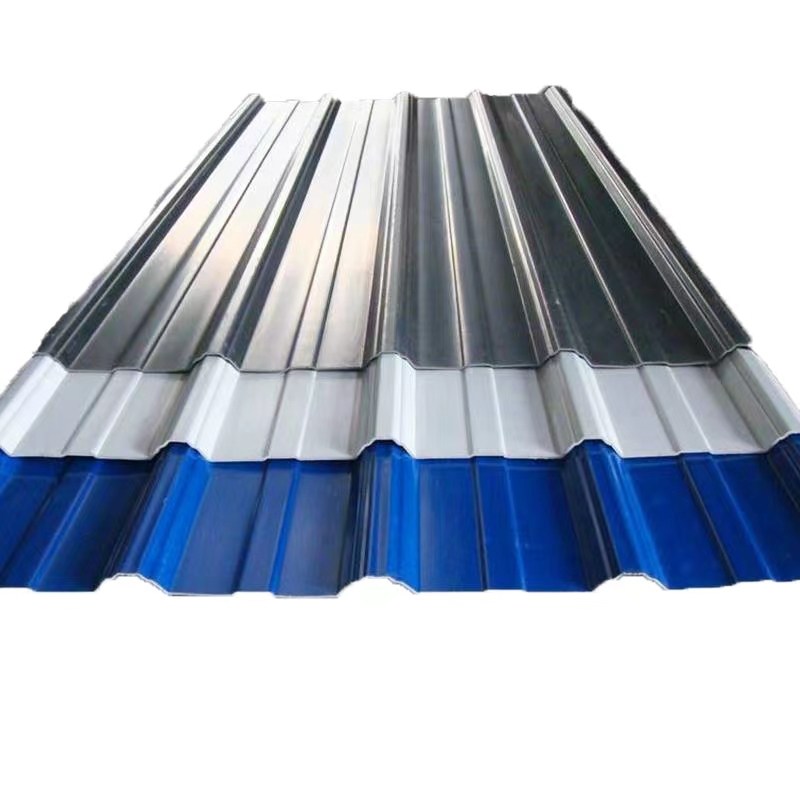
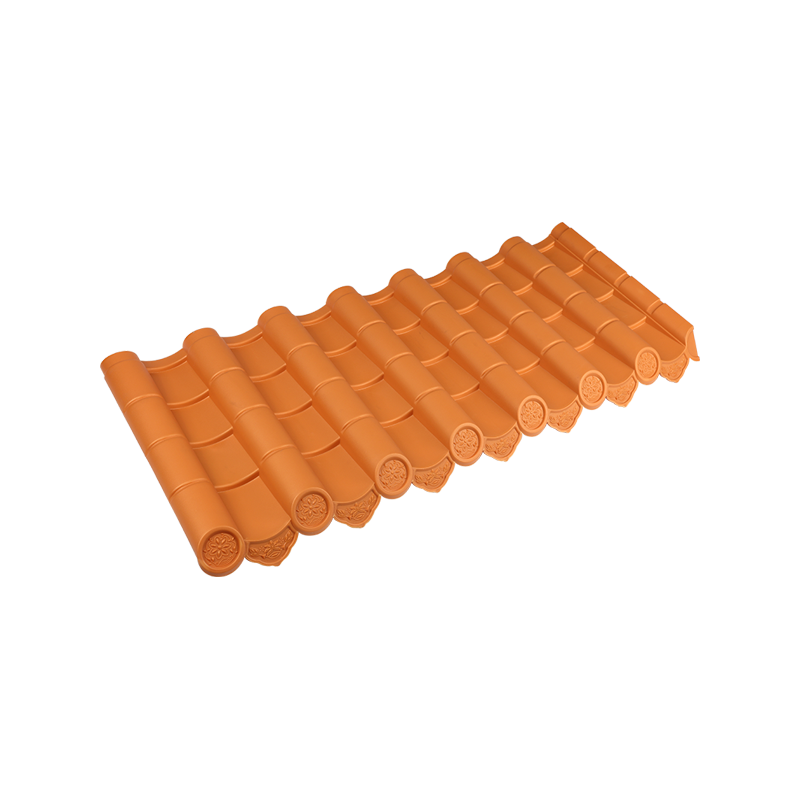
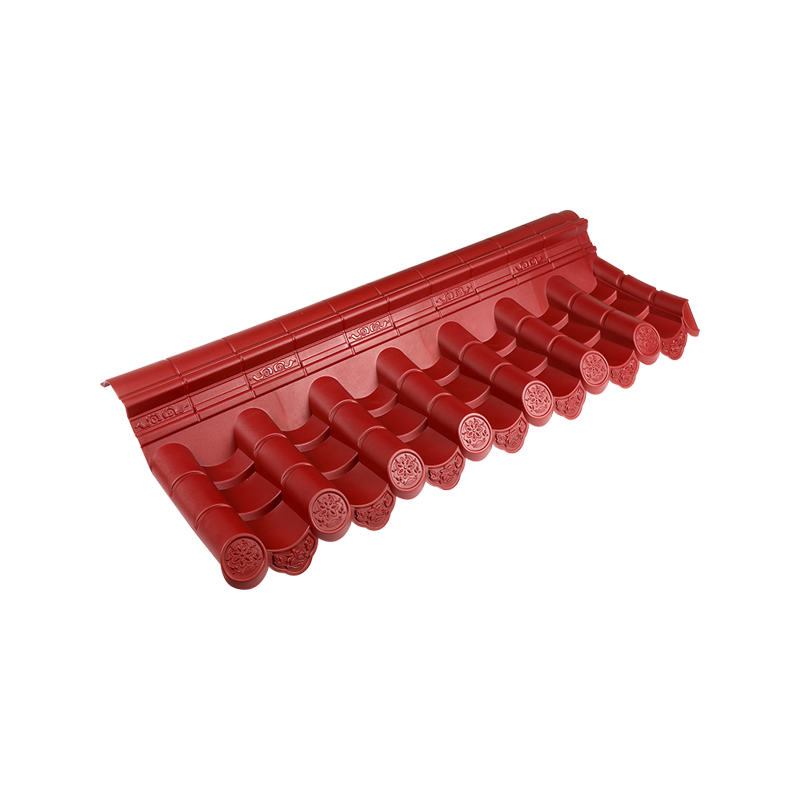
ASA resin tiles are made from a durable polymer blend designed to resist environmental stressors such as UV radiation and temperature fluctuations. While they are commonly used for roofing and cladding, these tiles also play a role in improving acoustic comfort by reducing noise. To understand how they work, we need to consider their composition and structure, which allows them to absorb and block sound effectively.
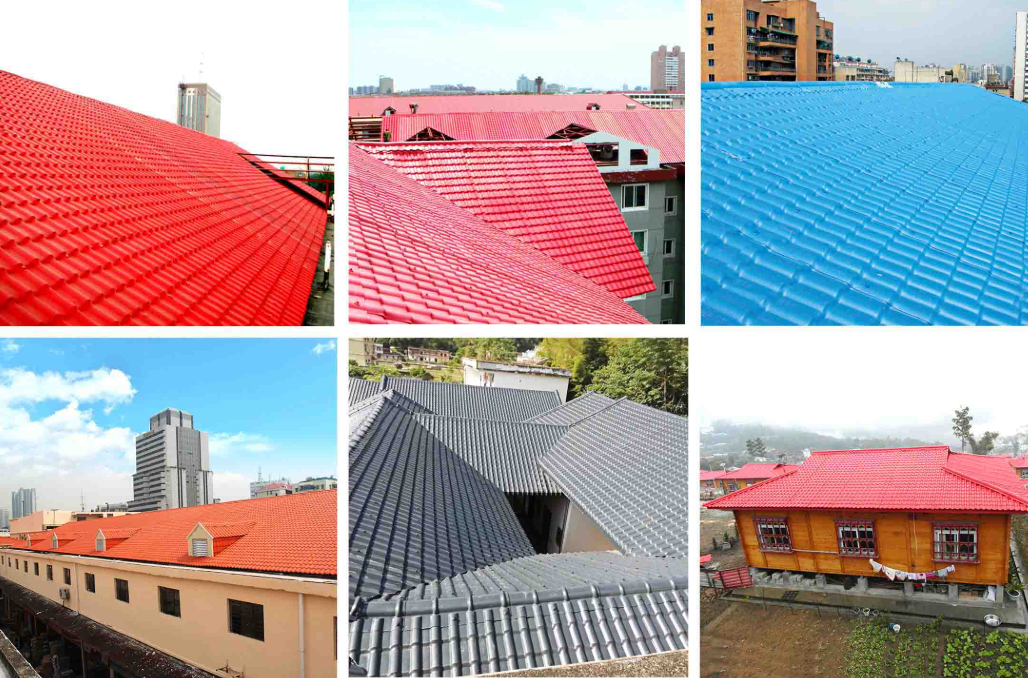
The structure of ASA resin tiles helps to mitigate sound in two key ways: sound absorption and sound insulation. Both of these mechanisms contribute to the tiles' noise-reducing properties.
| Property | Effect on Noise Reduction |
|---|---|
| Porous Surface | Absorbs sound waves, preventing reverberation. |
| Density | Blocks sound transmission, providing insulation. |
| Smooth Finish | Reduces the bounce of sound within rooms. |
How do ASA resin roof tiles absorb and isolate sound?
Sound waves lose energy when they hit certain surfaces. Some materials turn that energy into a tiny bit of heat. This cuts down the noise that bounces back or passes through.
ASA resin tiles handle sound this way on roofs. Their makeup and shape play a big role. The surface often has ridges and patterns. These break up waves as they strike.
Hard, flat roofs let sounds reflect easily. Rain or hail makes a loud racket inside. ASA tiles flex a little under impact. This dampens vibrations right away. Less energy travels downward.
The material itself resists passing sound freely. Density helps here. It blocks some waves from moving through. At the same time, the structure traps others.
Drops hit metal roofs and drum loudly. On ASA tiles, the impact softens. The tiles spread out the force. Noise inside stays lower.
Wind carries sounds too. Gusts push against the roof. Flexible tiles absorb some of that push. They reduce the hum or rattle.
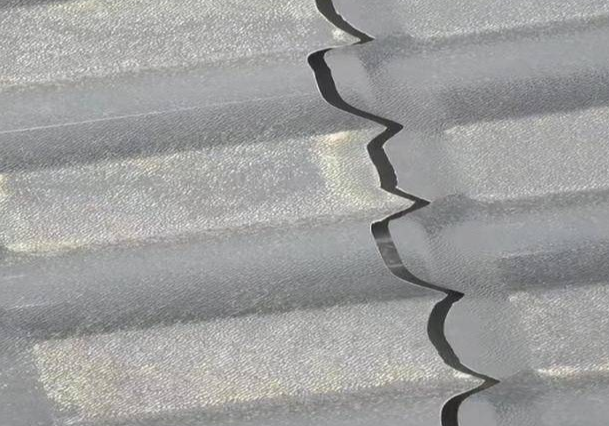
These textures scatter waves. Irregular shapes prevent clean bounces.
Key traits that help:
- Surface design. Waves get disrupted on contact.
- Material flexibility. Impacts lose punch quickly.
- Layered build. Many tiles use co-extrusion. This adds barriers inside the tile.
- Outdoor noises like traffic reach roofs. Tiles cut transmission. Indoors feels calmer.
- In workshops, machine hums rise up. Roof tiles mute some of that upward travel.
- Homes near roads benefit. Constant rumble fades.
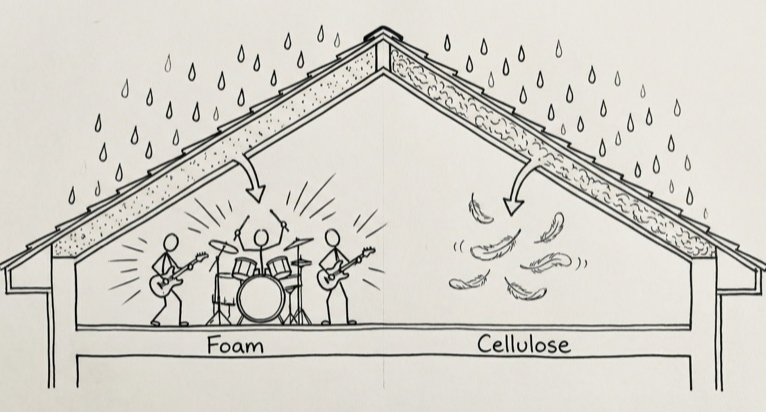
Without good damping, waves reflect or pass straight through. With ASA tiles, many get scattered or weakened.
Installation matters too. Tight fits leave fewer gaps for sound leaks.
Over time, tiles hold these properties. Weather doesn't wear them down fast.ASA resin tiles turn potential noise into quieter living. They handle waves at the source—the roof itself.
| Type of Noise | Impact of ASA Resin Tiles |
|---|---|
| Airborne Noise | Blocks sound waves from entering or exiting a room. |
| Impact Noise | Minimizes noise from footsteps or dropped objects. |
What Are the Benefits of ASA Resin Tiles for Noise Control?
The noise-reducing properties of ASA resin tiles offer several advantages that enhance the overall quality of life and work environments. These tiles are not only functional but also provide long-term value.
1. How Do ASA Resin Tiles Improve Acoustic Comfort?
The primary benefit of ASA resin tiles in noise reduction is their ability to improve acoustic comfort. By absorbing and insulating sound, these tiles create quieter spaces that are ideal for living, working, or relaxing. Noise can cause stress and disrupt concentration, but ASA resin tiles help mitigate this, leading to better quality of life for residents or employees.
2. How Do ASA Resin Tiles Enhance Privacy?
In buildings where privacy is important—such as in residential apartments or office spaces—ASA resin tiles help prevent the transmission of sound from one area to another. This ensures that conversations, meetings, or private activities are not overheard by others in adjacent rooms. By blocking sound, these tiles make it easier for people to enjoy their private space without disturbances.
3. How Do ASA Resin Tiles Help Reduce Noise Pollution?
In urban environments, noise pollution from external sources like traffic, construction, and public transportation can make it difficult to find peace indoors. ASA resin tiles, with their sound-insulating properties, help prevent this external noise from infiltrating the building. By incorporating these tiles into a building's design, residents and workers can enjoy a quieter environment, regardless of the noise outside.
Impact of ASA Resin Tiles on External Noise:
| Source of External Noise | Effect of ASA Resin Tiles |
|---|---|
| Traffic Noise | Reduces sound transmission from streets to rooms. |
| Construction Sounds | Blocks noise from nearby construction sites. |
| Public Announcements | Minimizes sound from public areas or transit hubs. |
4. How Do ASA Resin Tiles Meet Building Standards?
Buildings are subject to various building regulations, especially when it comes to noise control. Many jurisdictions require structures to meet certain noise standards to ensure the comfort of their occupants. ASA resin tiles help buildings comply with these regulations, as they are designed to absorb and block sound effectively. Their ability to reduce noise makes them a practical and legal solution for meeting local building codes related to noise reduction.
5. How Long Do ASA Resin Tiles Maintain Their Noise-Reducing Properties?
One of the key advantages of ASA resin tiles is their durability. Unlike some acoustic materials, which may degrade or lose their effectiveness over time, ASA resin tiles maintain their noise-reducing properties for many years. They are resistant to wear, weather, and environmental factors, ensuring that their sound-absorbing and insulating capabilities remain intact.
This long-term durability makes them a cost-effective solution for buildings that need consistent noise management over their lifespan. The tiles provide value for both new constructions and renovations, ensuring that they can continue to reduce noise for years to come.
How Do ASA Resin Tiles Compare to Other Noise-Reducing Materials?
While ASA resin tiles help manage sound in buildings, builders often look at other options for controlling noise. Choices like acoustic foam panels, fiberglass insulation, and mass-loaded vinyl each bring their own strengths. They fit different needs depending on the space and the type of noise involved.
These materials handle sound in varied ways. Some focus on soaking up echoes inside rooms. Others block sounds from traveling through walls or roofs. ASA resin tiles, used mainly on roofs, dampen noises like rain or wind from outside.
Here's a look at how they stack up in key areas:
| Material | Ability to Soak Up Sound | Ability to Block Sound | How Long It Lasts | How Easy to Put In |
|---|---|---|---|---|
| ASA Resin Tiles | Solid | Solid | Holds up well | Takes some effort |
| Acoustic Foam Panels | Strong | Fair | Wears over time | Straightforward |
| Fiberglass Insulation | Solid | Solid | Holds up well | Takes some effort |
| Mass-Loaded Vinyl | Fair | Strong | Holds up well | Needs more work |
ASA resin tiles work well on exteriors. They handle weather while cutting down on outdoor noises reaching inside. This makes them handy for roofs in homes or larger structures.ASA resin tiles blend into roof designs easily. They mimic traditional looks while adding practical benefits. This flexibility suits many kinds of projects, from homes to commercial sites.
Acoustic foam panels shine in interior spots. They cut echoes and make rooms feel less hollow. Places like offices or recording areas often use them to improve clarity.
Fiberglass insulation fits inside walls or attics. It traps sound waves and stops them from moving between spaces. It pairs well with other layers for broader control.
Mass-loaded vinyl acts as a heavy barrier. It stops sound from passing through floors or walls. People add it in spots needing strong separation, like between apartments.
Each option has its place. Builders mix them to match the building's needs. Roofs might use ASA tiles for external protection. Interiors could add foam or insulation for finer tuning.
Where Are ASA Resin Tiles Most Effective?
ASA resin tiles are most effective in environments where noise control is a priority. These include:
- Residential Buildings: In multi-family units, apartments, or homes near busy roads, ASA resin tiles help reduce noise from traffic and neighbors.
- Commercial Spaces: Offices, retail stores, and meeting rooms benefit from ASA resin tiles, which help to minimize distractions and create a more focused environment.
- Industrial Settings: Factories and warehouses with machinery can use ASA resin tiles to contain industrial noise and protect workers from excessive sound exposure.
Chinese ASA resin tiles bring this balance to roofs. They dampen sounds while holding strong against elements. Comfort builds from the top down.As more buildings seek peace amid chaos, these tiles fit right in. They shape calmer interiors across various sites.

 Email:
 Phone:
 Adress: