



Fire-Resistant Roofing Choices for Industrial Spaces
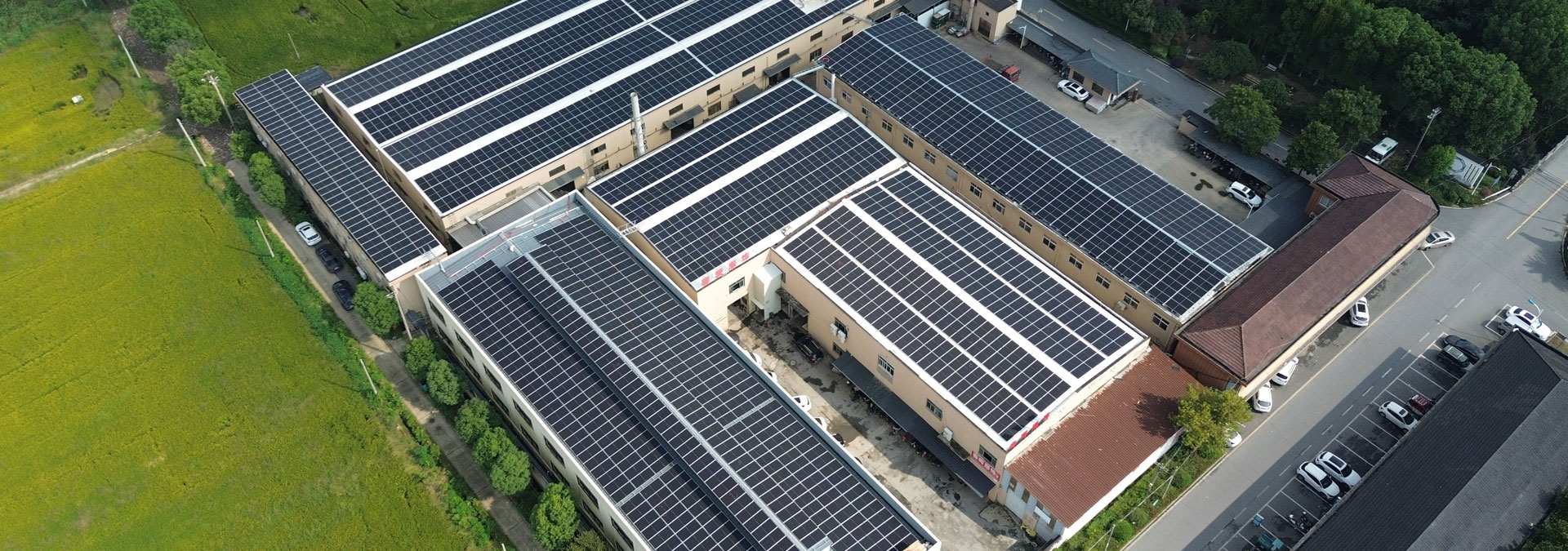
In the world of industrial buildings, fire safety stands out as a key concern. Fires can spread quickly in large facilities, where materials and equipment add to the risk. Choosing the right roof plays a big role in keeping things safe. We'll dive into what makes them work for factories, warehouses, and other big operations.
Key Factors That Affect Fire Resistance
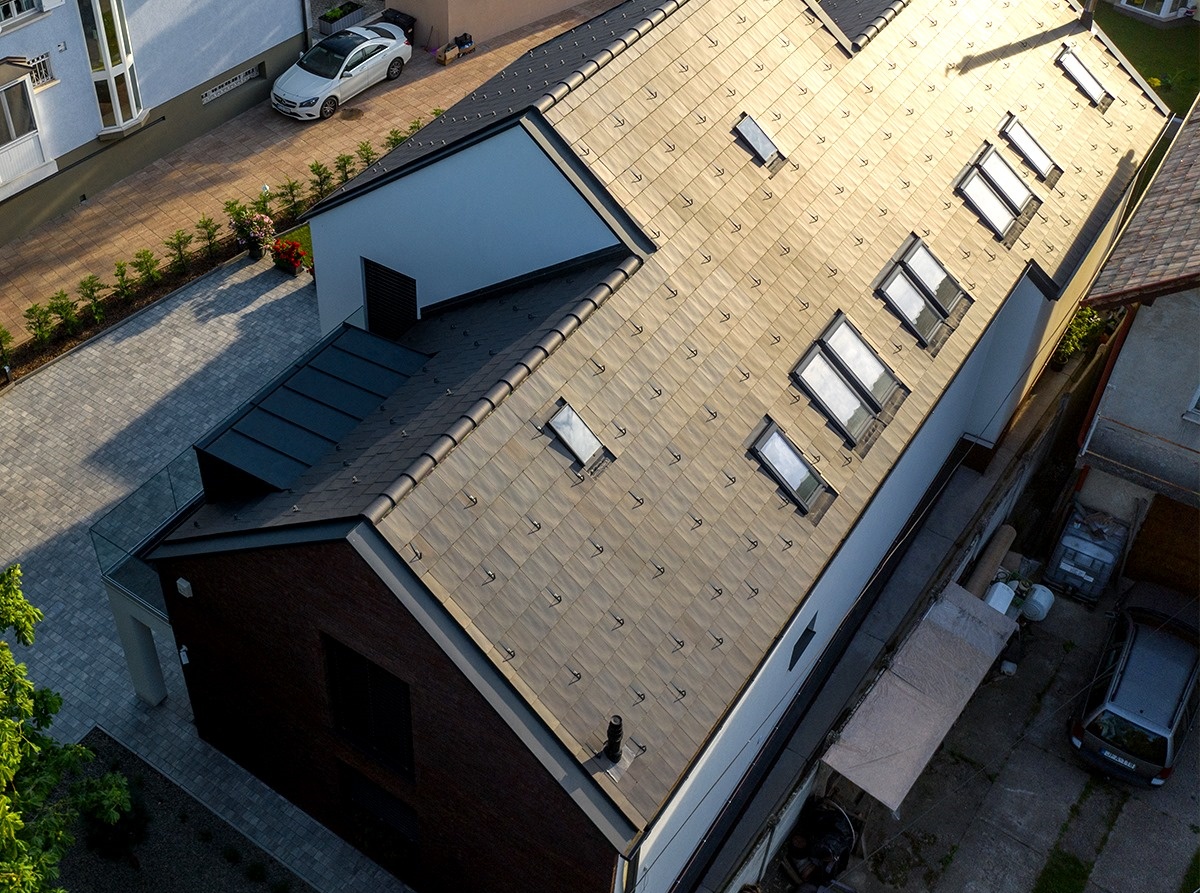
- Material Composition: Metals, treated concrete, and certain composites react differently to heat. Some melt, some char, and some form a protective barrier.
- Installation Methods: Overlapping panels, coatings, and insulation layers can enhance resistance.
- Environmental Conditions: Exposure to sunlight, moisture, or chemicals can alter performance over time.
- Maintenance: Roofs that are regularly inspected and maintained tend to retain fire-resistant properties longer.
Industrial roofs face tough conditions. Heat from processes inside, weather outside, and the need for durability. Fire resistance means the material doesn't catch easily or spread flames. It buys time for people to get out and for help to arrive. Owners and managers often weigh this against cost, ease of setup, and upkeep. Let's explore some common choices. Each has its own way of handling fire threats.
Common Fire-Resistant Roofing Materials
| Material Type | Characteristics | Fire Behavior | Typical Applications |
|---|---|---|---|
| Metal Sheets | Lightweight, durable, recyclable | Do not ignite, may warp under extreme heat | Warehouses, manufacturing plants |
| Concrete Tiles | Heavy, long-lasting, low maintenance | Resist ignition, form protective barrier | Storage facilities, workshops |
| Clay or Ceramic Tiles | Dense, naturally resistant | Non-combustible, slow heat transfer | Industrial offices, ancillary buildings |
| Fiber Cement Panels | Composite of cement and fibers | Resist flames, minimal smoke | Production areas, loading docks |
| Insulated Sandwich Panels | Multi-layer panels with metal or composite skins | Reduce heat penetration, maintain structure | Factories, cold storage, production lines |
Each material has advantages in different scenarios. Metals are ideal where weight is a concern. Concrete provides stability and thermal resistance. Sandwich panels combine insulation and fire resistance in one system.
1.Metal Roofing
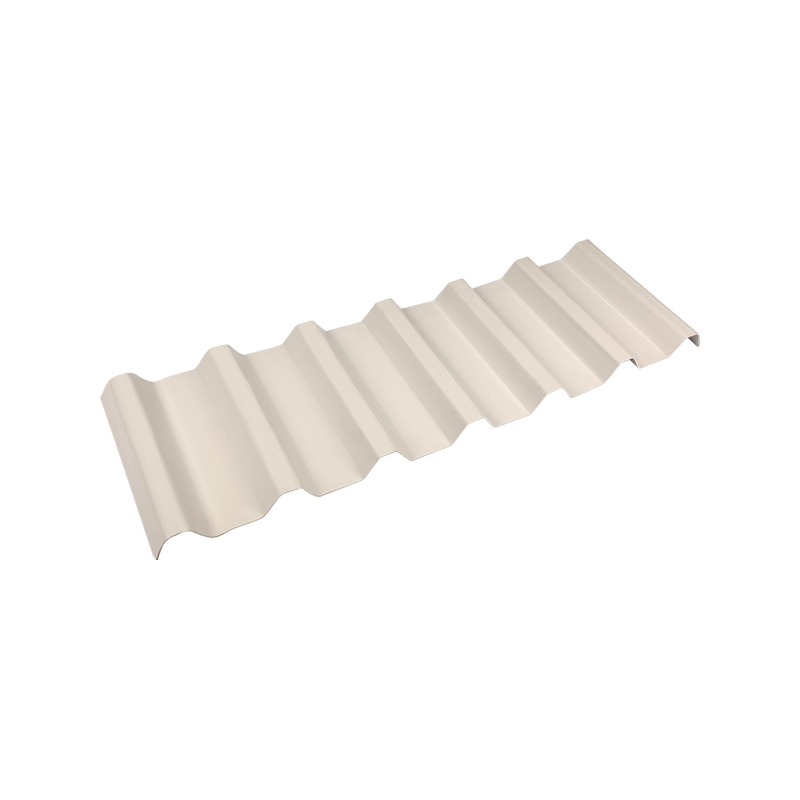
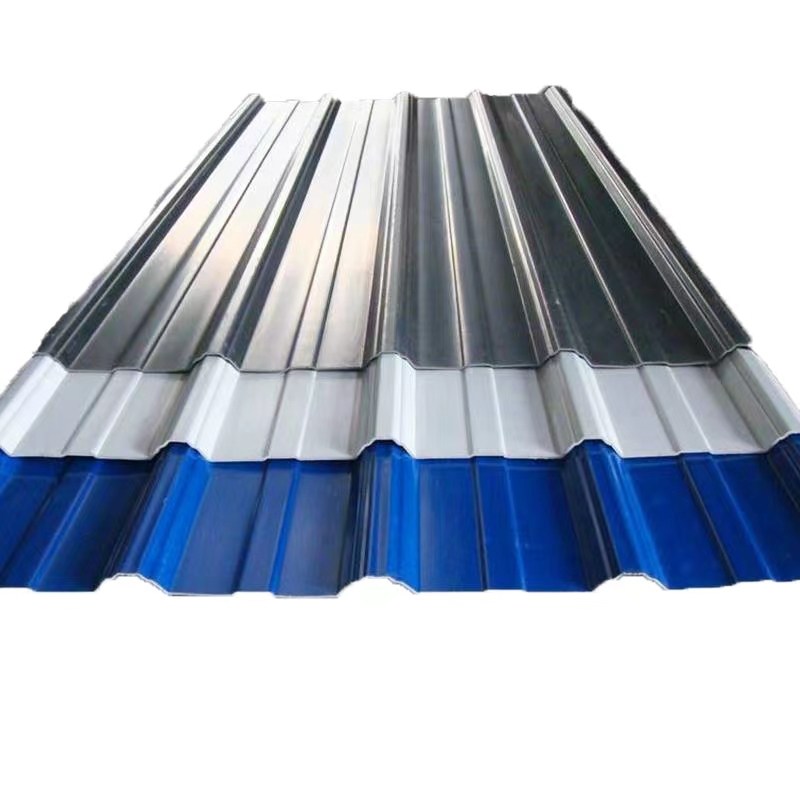
Metal roofing remains a favorite for factories and warehouses. Lightweight yet tough, steel and aluminum panels simply refuse to burn. Flames can heat them until they warp or sag, but the roof never adds fuel to the fire. Protective coatings fight rust and help the surface cool faster once the danger passes.
Tight seams and secure fasteners leave almost no gaps for embers. In shops full of welding or grinding sparks, that detail makes a real difference. Adding non-combustible insulation underneath creates a second line of defense and keeps interior heat down on normal days.
Everyday advantages
- Won't ignite from direct flame
- Sparks bounce off harmlessly
- Works well with fire-retardant coatings
- Reflects heat and pairs easily with insulation
- Fully recyclable at end of life
2.Concrete and Clay Tiles
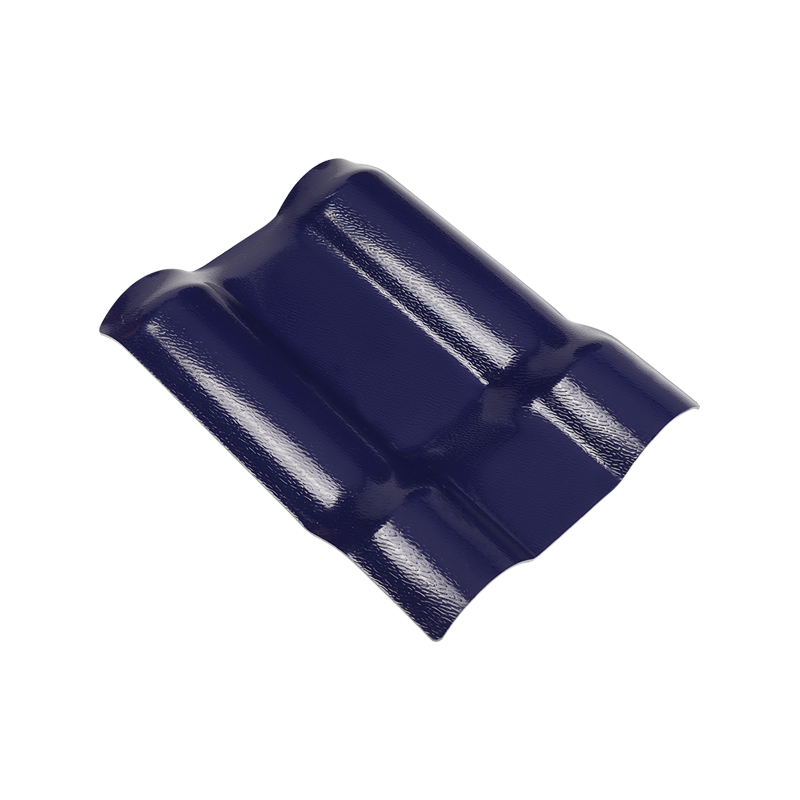
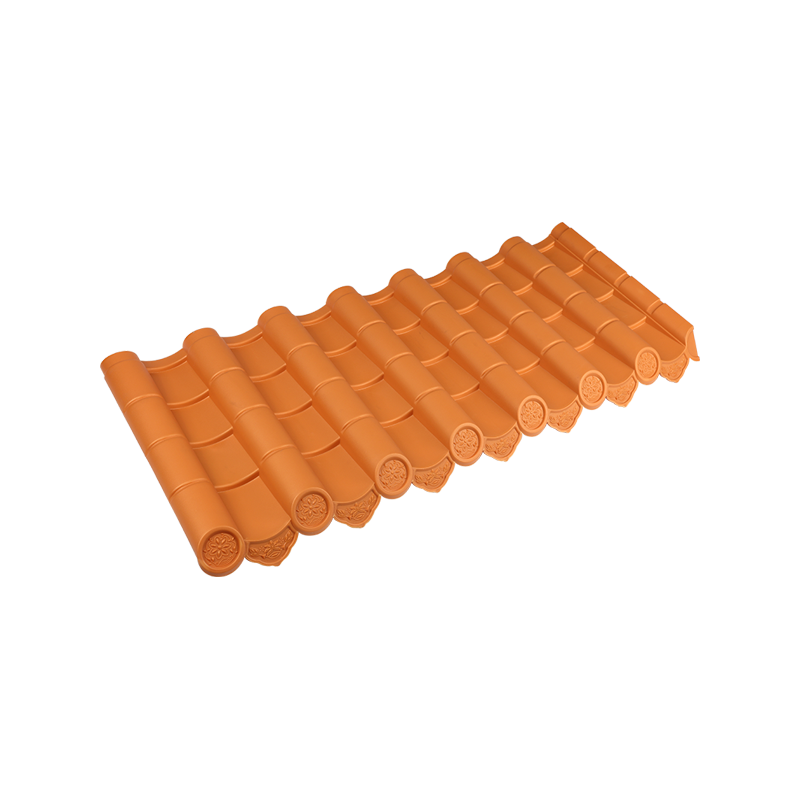
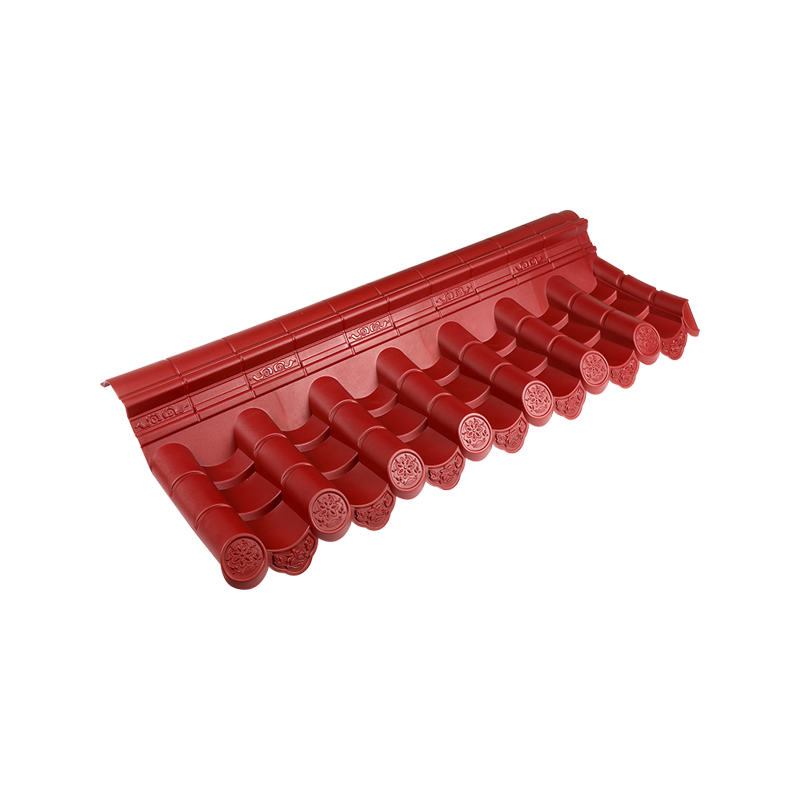
Dense and heavy, concrete and clay tiles act like a fire wall overhead. Neither material burns, and both slow heat movement dramatically. Concrete versions often include small additives for better thermal shock resistance. Clay tiles appear more often in mixed-use or aesthetic-driven buildings.
They demand strong framing, but once installed they shrug off weather and rarely need major work. Overlapping rows block wind-driven embers, and individual cracked tiles are easy to replace.
Quick notes
- Excellent natural barrier
- Very long service life
- Needs solid structural support
- Best on simpler roof shapes
3.Fiber Cement Panels
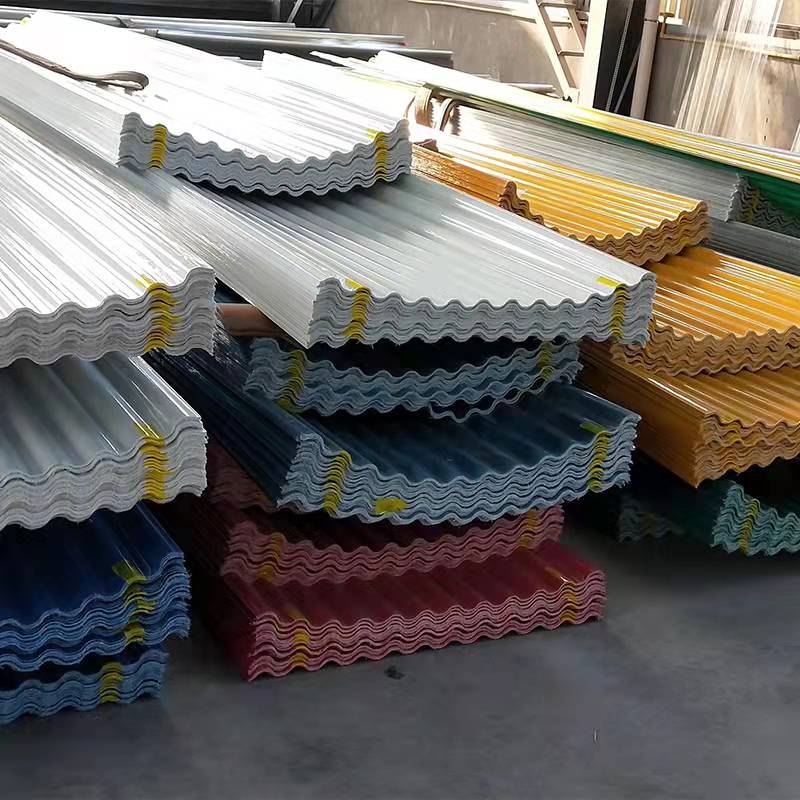
Fiber cement mixes cement with reinforcing fibers to produce rigid, non-combustible boards. They give off almost no smoke and resist moisture, chemicals, and impact. Damaged sections swap out quickly without disturbing the rest of the roof.
Main benefits
- Zero flame spread
- Handles spills and humidity
- Simple maintenance and repair
4.Insulated Sandwich Panels
These combine metal faces with a fire-resistant core (mineral wool or treated foam). Heat moves slowly through the middle, giving sprinklers and crews time to respond. Common in cold storage, chemical plants, and any facility needing both temperature control and fire safety.
Why they're chosen?
- Core delays heat transfer
- Large spans, fast installation
- Built-in insulation plus fire protection
- Factory-sealed edges maintain the fire break
Each option—metal panels, dense tiles, fiber cement, or sandwich systems—handles fire in its own proven way. Pick the one that fits the risks inside your building and the structure you already have, and the roof becomes one less thing to worry about when things get hot.
Installation and Maintenance Strategies
A fire-resistant roof only delivers its full promise when every detail is handled right from day one. Sloppy seams, loose fasteners, or poorly sealed penetrations can turn even the toughest material into a weak link. Crews who understand industrial risks treat every pipe, vent, and curb like a potential entry point for flames and close it off properly.
During installation, the focus stays on continuity. Overlaps must meet manufacturer minimums, screws or clips have to hit the right spacing, and flashing around rooftop units gets the same attention as the field sheets. One skipped step around a single exhaust fan can undo acres of careful work.
Once the roof is up, a simple routine keeps it ready for the worst.
Practical maintenance steps most facilities follow:
Clear debris regularly
Leaves, plastic bags, or pallets left on the roof act like kindling. A quick sweep or blower every quarter removes fuel before it can collect.
Inspect and refresh sealants
Caulk and tape at edges and penetrations harden or shrink over time. Walking the roof twice a year and reapplying where needed stops small cracks from becoming fire highways.
Fix damage as soon as it appears
A dent from a dropped wrench, a tear from shifting equipment, or a crack in concrete—any breach exposes whatever is underneath. Patch or replace the same week.
Add protective layers when possible
Many plants improve an existing roof by rolling out a thin fire-rated membrane, spraying on a reflective coating, or laying non-combustible insulation boards. These upgrades often pay for themselves through lower insurance rates and longer roof life.
Keep drainage flowing
Standing water weakens materials and, in a fire, can turn into steam that pops seams open. Clean scuppers and gutters every season.
Document everything
Photos, dates, and repair notes make the next inspection faster and prove to insurers that the roof is actively maintained.
A well-installed and regularly checked roof does more than resist fire—it gives management one less headache in a plant already full of moving parts.
Choosing the Right Roofing System
Selecting a roofing system for an industrial facility involves evaluating:
- Fire resistance: How the material reacts to flames and heat
- Structural compatibility: Can the building support heavier tiles or panels?
- Maintenance needs: How often will the roof require inspection or repair?
- Environmental impact: Material lifespan, recyclability, and sustainability
Decision-makers often consult architects, engineers, and safety specialists. Integrating multiple safety layers—material choice, coatings, insulation, and monitoring—can create a robust fire-resilient roof.
Practical Comparisons
| Roofing Type | Weight Considerations | Fire Performance | Maintenance Ease | Environmental Factors |
|---|---|---|---|---|
| Metal Sheets | Low | Moderate | Easy | High recyclability |
| Concrete Tiles | High | Strong | Moderate | Durable, recyclable |
| Clay Tiles | High | Strong | Moderate | Sustainable, natural |
| Fiber Cement | Moderate | Moderate | Easy | Long-lasting, low impact |
| Sandwich Panels | Moderate | Moderate to Strong | Easy | Energy-efficient, partially recyclable |
This comparison helps visualize trade-offs. Facilities with lightweight structures may favor metal or sandwich panels. Heavier, permanent structures might use concrete or clay for fire safety and stability.

 Email:
 Phone:
 Adress: