



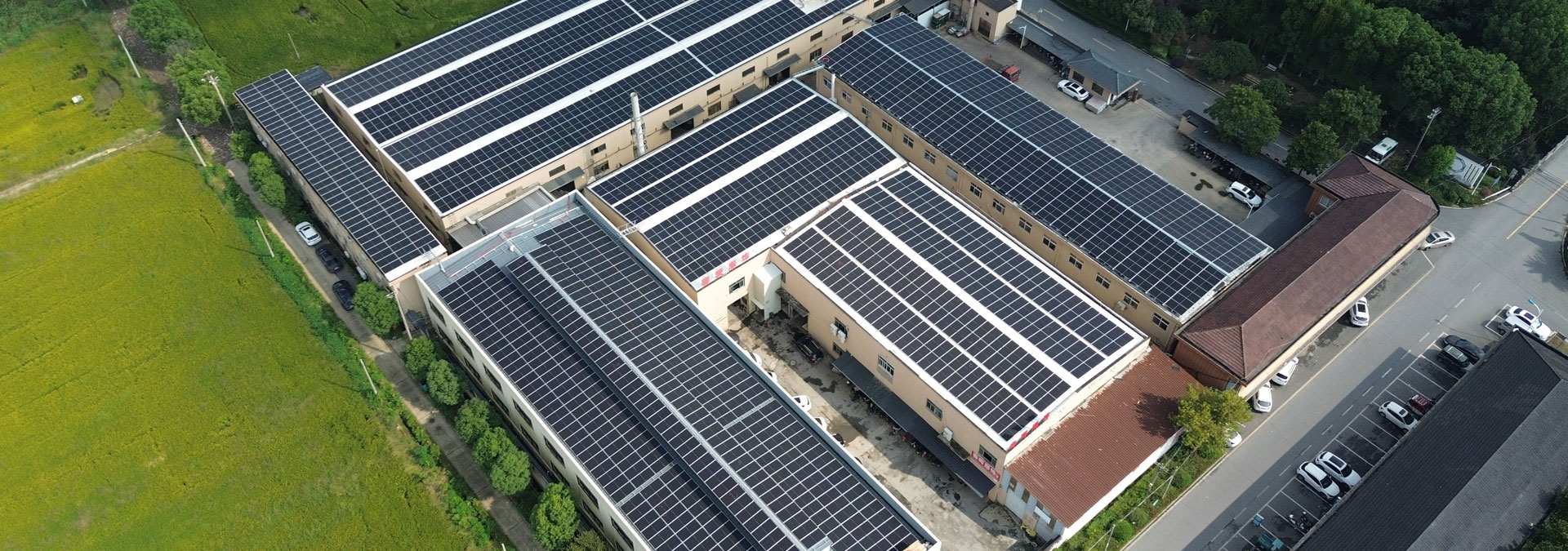
The Chinese roofing materials industry has developed rapidly in recent years, driven by growing construction demand, environmental protection initiatives, and technological advancements. Roofing materials not only affect a building's aesthetic appeal but also directly impact durability, fire resistance, and energy efficiency. Among the many roofing material manufacturers, Chuanya Building has established a strong position in the industry with its diversified product line and professional installation experience. We are focuses on analyzing the characteristics and installation differences of various roofing materials, exploring their suitability for residential and commercial buildings, and outlining the challenges faced by manufacturers, providing a reference for architectural design and construction.
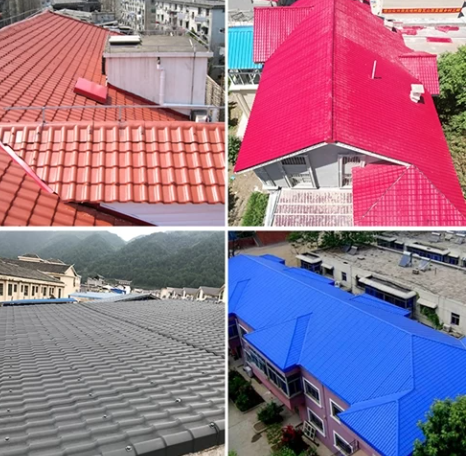
What are the differences in installation methods and characteristics of different types of Chinese roofing materials?
In China, common roofing materials mainly include clay tiles, concrete tiles, metal roofing, and synthetic/composite tiles. Different materials have significant differences in installation methods, construction difficulty, and maintenance requirements. The table below summarizes the installation characteristics of the main roofing materials:
| Material Type | Features | Installation Method | Installation Considerations |
|---|---|---|---|
| Clay Tiles | Natural material, high durability, good fire resistance | Fixed using nails or hooks; professional installation required | Heavy; roof structure may need reinforcement; ensure proper drainage slope |
| Concrete Tiles | High strength, strong wind and rain resistance, moderate cost | Laid on the roof deck; can be fixed with nails or adhesive | Pay attention to waterproofing and drainage slope; ensure tiles are evenly laid |
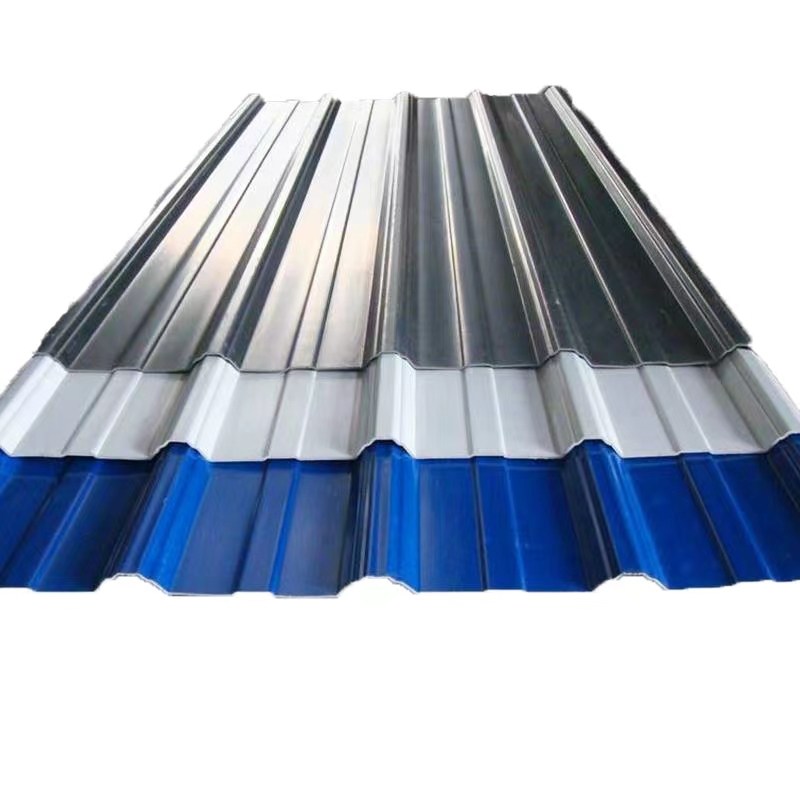
| Metal Roofing | Lightweight, easy to install, corrosion-resistant | Fixed using screws or clamps; quick installation | Proper insulation and waterproofing needed; prevent deformation due to thermal expansion and contraction |
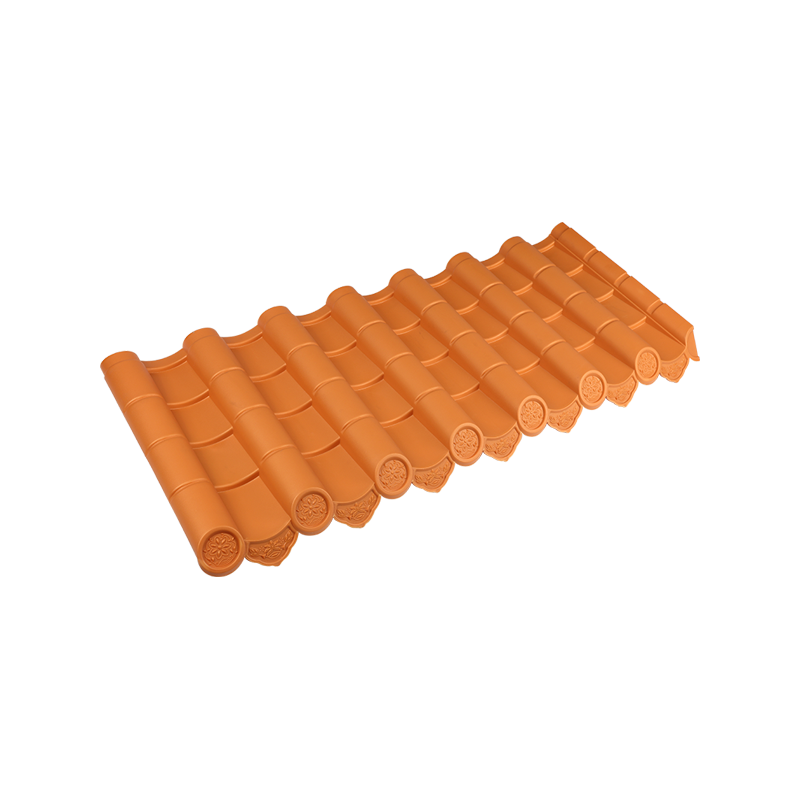
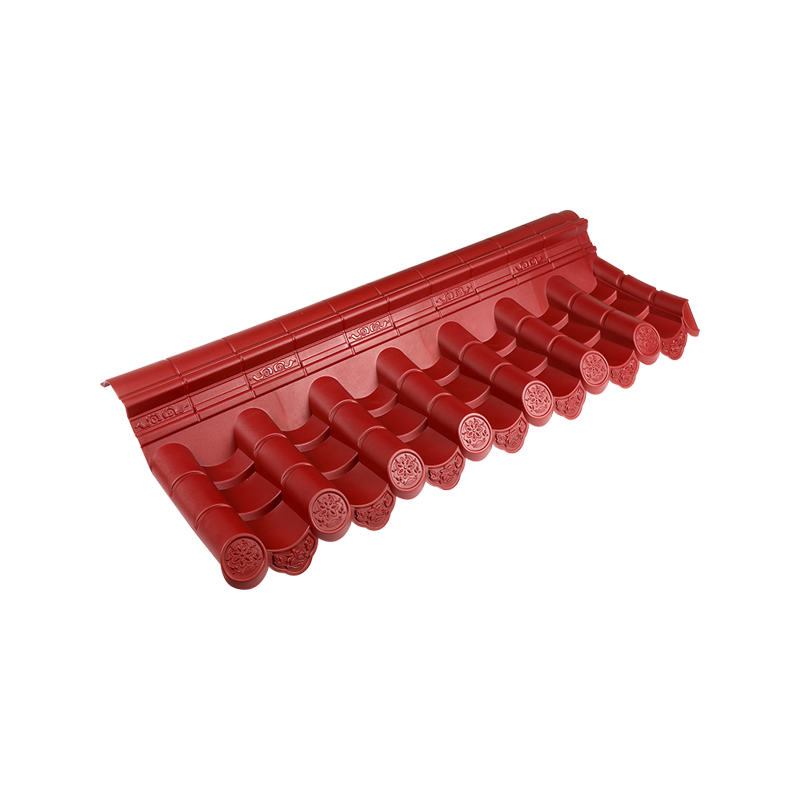
| Synthetic/Composite Tiles | Lightweight, weather-resistant, diverse appearance | Can be directly installed over existing roofs using hooks or specialized connectors | Ensure ventilation and thermal expansion; avoid long-term deformation or warping |
1. Clay Tiles
Detailed Installation Steps:
- Check the roof's load-bearing capacity; reinforce the structure if necessary.
- Install a waterproof layer, such as a waterproof membrane.
- Lay tiles from the eaves to the ridge, ensuring staggered overlapping.
- Fix tiles using specialized nails or hooks, keeping consistent spacing between tiles.
Installation Considerations:
- Heavy; specialized tools may be needed for handling and installation.
- Ensure tile joints are sealed to prevent water leakage.
- For complex roof shapes, tiles may need to be pre-cut.
2. Concrete Tiles
Detailed Installation Steps:
- Clean the roof surface and install a waterproof membrane.
- Measure roof slope and tile spacing; plan the layout.
- Lay tiles row by row, securing with nails or adhesive.
- Install ridge tiles, edge tiles, and any specially shaped tiles.
Installation Considerations:
- Heavy; tiles must be evenly laid to prevent uneven stress.
- Pay attention to waterproofing and drainage slope design.
- Large roofs require multiple workers for installation.
3. Metal Roofing
Detailed Installation Steps:
- Lay insulation and waterproof layers on the roof.
- Determine the panel orientation according to roof dimensions.
- Fix panels with screws or clamps, ensuring level alignment and consistent gaps.
- Seal joints to prevent water leakage.
Installation Considerations:
- Thermal expansion and contraction are significant; leave sufficient expansion gaps.
- Ensure proper insulation and waterproofing; mitigate noise issues.
4. Synthetic/Composite Tiles
Detailed Installation Steps:
- Clean the existing roof to ensure a flat surface.
- Install a ventilation and insulation layer to maintain roof airflow.
- Lay tiles in sequence according to modules, ensuring alignment and secure connections.
- Fix tiles using hooks or specialized connectors; check overall stability.
Installation Considerations:
- Leave gaps for thermal expansion to prevent warping in high temperatures.
- Ensure proper ventilation to prevent moisture accumulation.
How do installation quality and long-term impact differ?
The long-term performance of roofing materials depends not only on the durability of the materials themselves but also on the quality of installation. Proper construction methods and professional installation can significantly extend the roof's lifespan and reduce maintenance costs, while improper installation may lead to various issues.
1.Impact of Different Materials on Roof Lifespan
| Material Type | Reference Lifespan | Influencing Factors | Long-Term Maintenance Requirements |
|---|---|---|---|
| Clay Tiles | Over 50 years | High-temperature firing, natural material, wind and rain resistance | Regularly check for broken tiles and drainage systems; keep tiles stable |
| Concrete Tiles | 40–60 years | High strength, good weather resistance | Inspect for cracks, ensure waterproof layer integrity, clean roof regularly |
| Metal Roofing | 30–50 years | Quality of anti-corrosion coating, fastening method | Anti-rust treatment; check screws and sealing integrity |
| Synthetic/Composite Tiles | 20–40 years | Weather resistance, UV protection | Regularly check for warping, loose fasteners, and ventilation |
Note: Lifespan values are for reference. Actual service life depends on environmental conditions and maintenance.
2. Risks of Improper Installation
| Risk Type | Manifestation | Possible Causes | Solutions or Preventive Measures |
|---|---|---|---|
| Leaks | Water penetration, moisture in underlying structures | Uneven tile gaps, insufficient slope, incomplete waterproofing | Lay tiles strictly according to installation standards; ensure waterproof layer integrity; perform regular inspections |
| Deformation | Local warping or sagging of the roof | No expansion gaps for thermal expansion, insufficient fastening | Leave adequate expansion gaps; use proper fasteners; professional installation |
| Cracking | Broken tiles, cracks in concrete tiles | Uneven force during installation, insufficient structural support | Reinforce roof structure; lay tiles evenly; monitor installation closely |
| Early Aging | Surface discoloration, coating peeling | Insufficient protective measures during construction, improper exposure | Use standard-compliant materials; professional installation and post-installation maintenance |
3. Professional Installation Assurance by Chuanya Building
To ensure long-term reliable roof performance, Chuanya Building provides comprehensive professional installation guarantees, including:
1. Professional Construction Team
Experienced installation engineers familiar with various material installation techniques.
Strict adherence to construction standards to ensure tiles are stable and drainage is unobstructed.
2. Construction Process Monitoring
Full supervision of installation quality, with timely detection and correction of issues.
Ensure expansion gaps, fasteners, waterproof layers, and roof slopes meet design requirements.
3. Post-Installation Maintenance Guidance
Provide periodic roof inspections and maintenance recommendations.
Help clients identify potential risks and extend roof lifespan.
4. Material and Installation Matching Optimization
Select suitable materials based on building type and roof design.
Provide tailored installation plans to ensure optimal roof performance.
What building types are they suitable for?
1. Residential Buildings
Residential buildings generally emphasize aesthetics, comfort, and personalized design. Roofing materials need to balance durability, appearance, and ease of installation.
Recommended Materials:
Clay Tiles
Reason: Natural material with a visually appealing look, compatible with various residential styles such as Chinese, European, or Mediterranean.
Installation Considerations: Heavy; roof structure may need reinforcement; ensure proper drainage slope design.
Synthetic/Composite Tiles
Reason: Lightweight, weather-resistant, and available in diverse colors; can cover existing roofs; suitable for modern home renovations or custom designs.
Installation Considerations: Leave expansion gaps to allow for thermal movement; ensure proper ventilation; secure fasteners to prevent warping.
2. Commercial Buildings
Commercial buildings usually have large roof areas and require higher durability, installation efficiency, and lower maintenance costs. Materials should be wind and rain resistant, corrosion-resistant, and easy to install.
Recommended Materials:
Concrete Tiles
Reason: High strength and excellent resistance to wind and rain; suitable for large-scale roof installation; long service life.
Installation Considerations: Proper waterproofing and drainage slope design are crucial; tiles must be laid evenly to prevent cracking.
Metal Roofing
Reason: Lightweight, quick to install, low maintenance costs; ideal for industrial factories, warehouses, and large commercial buildings.
Installation Considerations: Prevent deformation caused by thermal expansion and contraction; ensure proper insulation and waterproofing.
3. Special Purpose Buildings (Optional)
Public Buildings (schools, hospitals, libraries, etc.): Clay tiles or composite tiles can be used to balance aesthetics and durability.
Industrial Buildings (factories, logistics warehouses): Prefer metal roofing or concrete tiles for durability and low maintenance.
Historical or Cultural Buildings: Clay tiles are preferred to maintain traditional style and architectural features.
| Building Type | Recommended Materials | Reason | Installation Considerations |
|---|---|---|---|
| Residential Buildings | Clay Tiles, Synthetic/Composite Tiles | High aesthetic value; suitable for diverse roof designs | Weight, drainage slope, fire safety, expansion gaps |
| Commercial Buildings | Concrete Tiles, Metal Roofing | Durable; suitable for large-scale installation | Load-bearing capacity, insulation, waterproofing, thermal expansion management |
| Special Purpose Buildings | Clay Tiles, Composite Tiles, Metal Roofing | Chosen based on function and aesthetic requirements | Adjust installation methods according to roof size and building use |
What challenges do Chinese roofing material manufacturers face?
1. Raw Material Cost Fluctuations
- Issue: Prices of raw materials such as clay, concrete, and metal are heavily influenced by global markets and fluctuate frequently.
- Impact: Cost instability may lead to product price fluctuations, affecting profit margins.
- Strategies: Establish long-term procurement contracts, optimize raw material inventory management, and explore alternative materials.
2. Pressure to Upgrade Technology and Processes
- Issue: The market demands higher durability, weather resistance, aesthetics, and energy efficiency from roofing materials.
- Impact: Traditional production processes may not meet modern architectural design and functional requirements.
- Strategies: Introduce automated production equipment, improve firing and molding processes, and develop high-performance composite materials.
3. Environmental Regulations and Policy Requirements
- Issue: Government regulations on emissions, energy consumption, and the use of renewable materials are strict.
- Impact: Production processes require additional investment in environmental protection facilities, increasing operational costs.
- Strategies: Adopt low-emission production processes, use renewable raw materials, and strengthen environmental management.
4. Intense Market Competition
- Issue: Many domestic manufacturers, highly homogenized products, and international brands entering the Chinese market.
- Impact: Frequent price wars, declining profit margins, and difficulty establishing brand differentiation.
- Strategies: Improve product quality and design innovation, offer customized services, and develop distinctive materials.
5. Logistics and Installation Service Challenges
- Issue: Large roofing materials have high transportation costs and are easily damaged during transit; installation requires skilled labor and after-sales support.
- Impact: Logistics and installation issues may affect customer satisfaction and increase maintenance costs.
- Strategies: Optimize logistics networks, provide construction guidance and technical support, train installation teams, and offer installation after-sales service.
| Challenge Type | Specific Issue | Impact | Strategies |
|---|---|---|---|
| Raw Material Cost Fluctuations | Prices of clay, concrete, metal unstable | Cost fluctuation, profit affected | Long-term procurement contracts, inventory optimization, alternative materials |
| Technology and Process Upgrades | Traditional processes cannot meet new demands | Product performance insufficient, competitiveness declines | Automated production, improved processes, new material development |
| Environmental Regulations | Strict requirements on emissions, energy, renewable materials | Increased operational costs | Low-emission processes, environmental facility investment, management optimization |
| Market Competition | Many domestic manufacturers, product homogenization | Price wars, declining profit | Improve quality, design innovation, customized services |
| Logistics & Installation | High transport cost for large materials, prone to damage | Customer satisfaction drops, higher after-sales cost | Optimize logistics, installation training, after-sales support |
Key Recommendations
The choice of roofing materials and the quality of installation directly affect a building's durability, comfort, and safety. In the Chinese roofing materials industry, manufacturers and contractors need to consider material performance, construction processes, and long-term maintenance comprehensively to meet the requirements of different building types. The following are conclusions and specific recommendations:
1. Material Selection
Based on Building Type:
- Residential Buildings: Prioritize clay tiles or synthetic/composite tiles, balancing aesthetics and durability.
- Commercial Buildings: Concrete tiles or metal roofing are more suitable for large roof areas, emphasizing durability and installation efficiency.
- Special Purpose Buildings: For public buildings, industrial facilities, or cultural heritage buildings, materials can be combined based on functionality and aesthetics.
Construction Conditions:
Consider roof load-bearing capacity, slope design, and site conditions.
Select materials reasonably according to construction schedule, team experience, and budget.
Usage Requirements:
Evaluate weather resistance, fire protection, insulation, energy efficiency, and long-term maintenance costs.
Choose roofing materials suitable for specific environments, such as high rainfall, cold climates, or high temperatures.
2. Construction Recommendations
Professional Installation:
Strictly follow construction standards to ensure materials are firmly fixed, drainage is smooth, and waterproof layers are complete.
Leave sufficient expansion gaps and manage weight, waterproofing, and insulation to reduce the risk of material deformation or cracking.
Quality Monitoring:
Supervise and inspect the entire installation process, including tile laying, fastening, waterproofing, and insulation.
Conduct periodic quality assessments and maintenance checks to extend roof lifespan.
Safety and Environmental Protection:
Follow safety regulations during construction to ensure the safety of personnel and buildings.
Use environmentally friendly materials and methods to minimize environmental impact.
3. Industry Development Recommendations
Technological Innovation:
Develop new lightweight, weather-resistant, and energy-efficient roofing materials to improve construction efficiency and material performance.
Introduce intelligent construction technologies and automated production equipment to enhance installation precision and process quality.
Environmental Compliance:
Strictly adhere to regulations on emissions, energy consumption, and use of renewable materials.
Promote green materials and low-carbon production processes to align with sustainable building trends.
Service Upgrades:
Provide comprehensive construction guidance, after-sales maintenance, and customized solutions to enhance customer satisfaction.
Establish robust logistics and technical support systems to ensure smooth material transportation and installation for large-scale projects.
4. Chuanya Building's Industry Value
Diverse Material Products: Offers clay tiles, concrete tiles, metal roofing, and synthetic/composite tiles to meet the needs of various building types.
Professional Construction Services: Experienced installation teams, standardized installation processes, and quality monitoring ensure roof installation quality.
Promoting Industry Advancement: Continuously improving in material innovation, construction technology, and service systems, contributing to the standardization, professionalization, and sustainable development of the roofing materials industry.

 Email:
 Phone:
 Adress: