



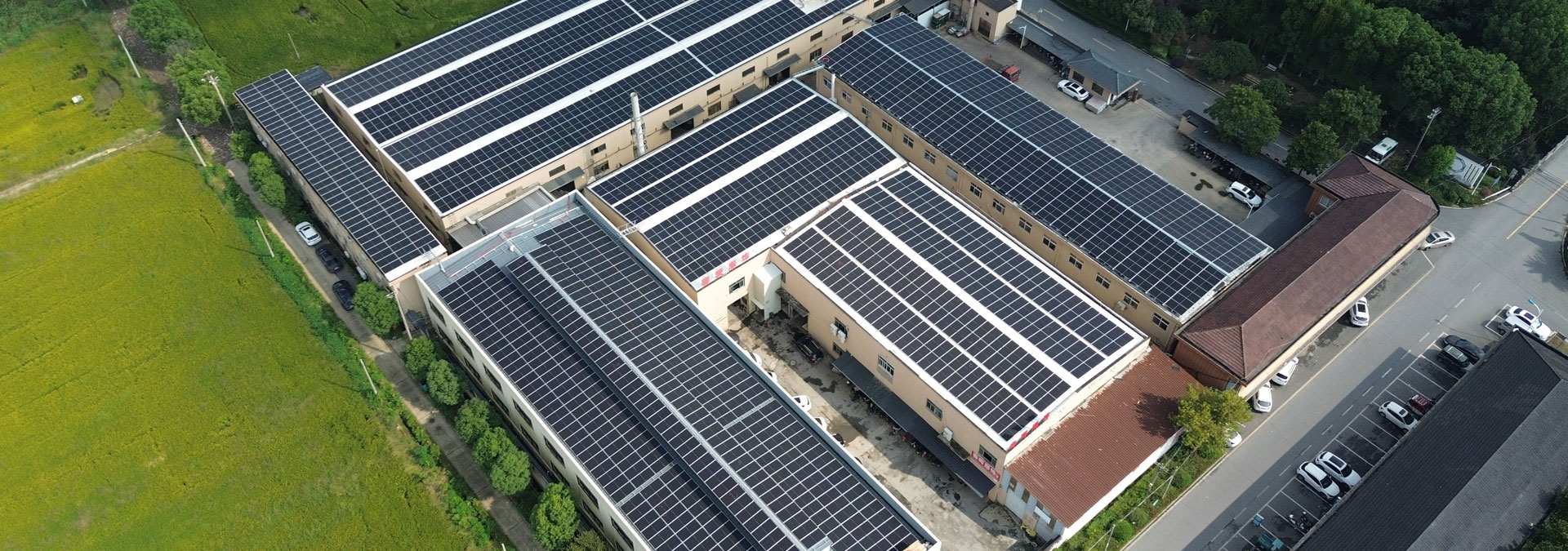
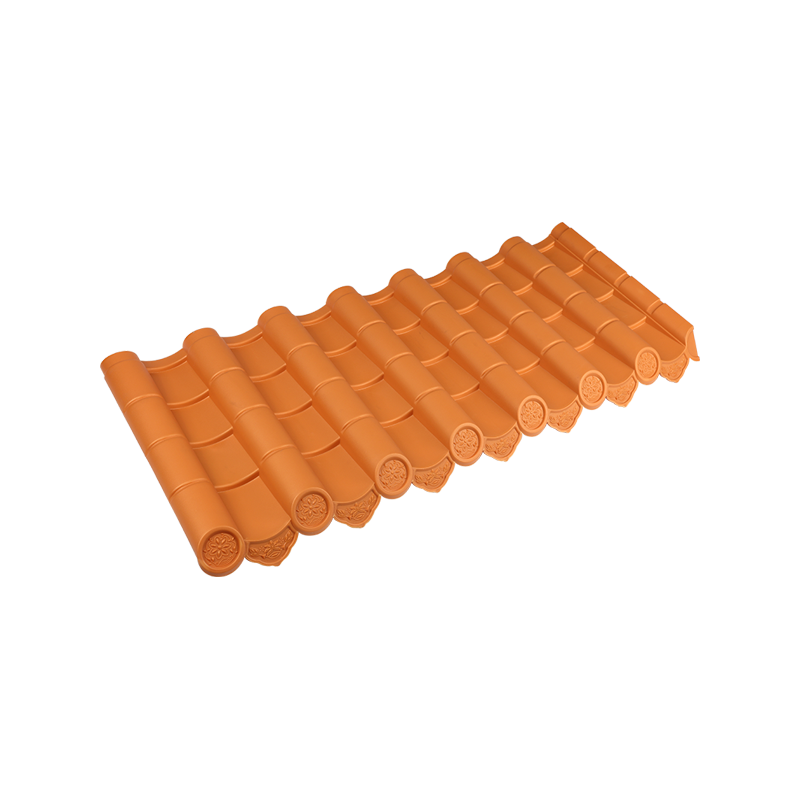
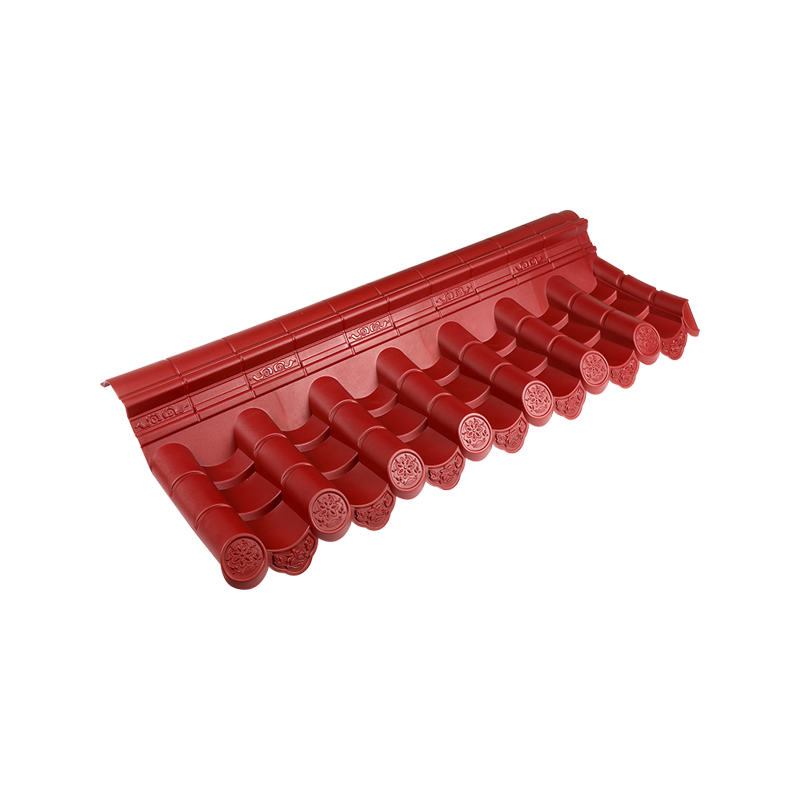
Chinese-style roofing materials have a distinct cultural and aesthetic appeal. Their curved lines, layered tiles, and vibrant colors evoke traditional architecture. They are not only decorative but also functional, offering durability and weather resistance. These materials are used in a variety of building projects where design, heritage, or visual impact is important.
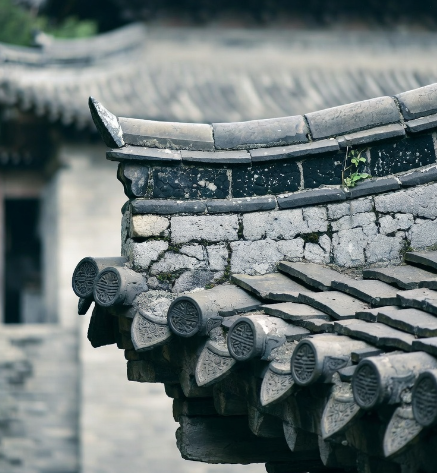
Understanding which projects utilize Chinese-style roofing requires exploring the purpose of the building, the design intent, and functional requirements. Their presence often signals a blend of tradition and modern construction methods.
What Makes Chinese-Style Roofing Suitable for Cultural and Heritage Projects?
Cultural buildings such as temples, museums, and heritage centers often prioritize historical accuracy. The roof is a key visual element that reflects identity. Roofing materials provide:
- Curved and layered tile profiles that mirror traditional craftsmanship.
- Color options that highlight architectural details.
- Material durability to withstand varying climates while preserving appearance.
These materials support projects that aim to educate or preserve culture. They ensure that the visual impact aligns with historical expectations.
Cultural Project Characteristics
| Feature | Purpose |
|---|---|
| Curved tiles | Reflect traditional roof shapes |
| Color selection | Highlight design elements |
| Layered structure | Enhance durability and appearance |
Temples, pagodas, and cultural parks often rely on Chinese-style roofs to maintain authenticity.
Are Tourism and Hospitality Projects Adopting Chinese-Style Roofs?
Hotels, resorts, cultural retreats, theme parks, and heritage-themed properties are more and more often incorporating Chinese-style roofs—marked by sweeping curved eaves, upturned ends, glazed tiles, and detailed ridge lines—for their striking visual power and cultural atmosphere.
These roofs quickly create feelings of tradition, authenticity, and immersion, strengthening the overall theme and elevating the guest experience.
Primary benefits in tourism and hospitality include:
- Powerful visual signature — The classic roof shape serves as an unmistakable branding feature that makes the property stand out in photos, marketing, and guest recall.
- Smooth blending with surroundings — The flowing curves and balanced proportions integrate naturally with gardens, courtyards, ponds, or scenic landscapes, forming a unified and captivating setting.
- Reliable long-term performance with reduced maintenance — Modern versions feature tough glazed tiles, protective finishes, and solid construction that hold up well against sun, rain, and time, lowering repair frequency and ongoing costs.
Many destinations intentionally position the roofline as a core part of the attraction. Its dramatic form becomes a landmark that visitors photograph, share, and remember—directly boosting the property's uniqueness and appeal.
This pattern reflects how hospitality developments use genuine cultural architectural elements to craft emotionally engaging, story-driven spaces that increase guest satisfaction, generate social sharing, and strengthen market differentiation.
Do Residential Developments Use Chinese-Style Roofing?
In premium residential areas—especially luxury villa compounds, upscale estates, and culturally themed neighborhoods—Chinese-style roofing is occasionally adopted to create a standout, refined appearance.
Buyers and developers value the roofs'unique silhouette, subtle cultural elegance, and sense of exclusivity they bring to a home.
Typical uses in residential projects include:
- High-end standalone villas or family estates built with traditional East Asian influences, where the curved eaves and tiled roof form the defining architectural element.
- Gated communities or master-planned neighborhoods designed around a unified aesthetic, often inspired by classical Chinese forms.
- Restoration of older homes or new builds styled to echo historic residences, using the roofline to maintain or recreate period character.
Chinese-style roofing adds noticeable curb appeal and differentiation in markets filled with conventional modern designs. It supports themed residential planning that emphasizes cultural identity or distinctive luxury, often boosting perceived property value and buyer interest.
Contemporary versions rely on high-performance materials—glazed ceramic tiles, lightweight composite replicas, or coated metal profiles—that combine the traditional look with excellent weather resistance, low upkeep, and reliable long-term durability.
While not common in standard suburban housing, Chinese-style roofing appears selectively in higher-end developments where owners seek architectural distinction, cultural nuance, and lasting visual impact.
Are Commercial Projects Benefiting from Chinese-Style Roofs?
Commercial buildings in the dining, retail, hospitality, and cultural sectors are more frequently adopting Chinese-style roofs—featuring sweeping curved eaves, upturned corners, glazed tiles, and ornate ridge details—to strengthen brand recognition and create an immediate, distinctive presence.
This style is particularly popular among businesses that want to communicate heritage, tradition, or cultural authenticity. Common examples include:
- Restaurants — especially those serving classic Chinese, regional Asian, or heritage-inspired menus, where the roof instantly conveys culinary authenticity and establishes the right atmosphere.
- Tea houses, specialty cafés, and boutique shops — establishments centered on traditional crafts, tea culture, or curated products, using the graceful roofline to make the exterior visually memorable and welcoming.
- Cultural or themed commercial spaces — galleries, cultural centers, or mixed-use retail complexes that use architecture to support educational, experiential, or storytelling themes.
The roof functions as a strong, immediate symbol of cultural depth and genuineness, allowing businesses to differentiate themselves and offer customers a more engaging first impression.
Although the primary driver is visual branding and customer appeal, commercial applications must still deliver robust structural integrity (resistance to wind, effective water runoff, seismic stability) and efficient installation processes that fit construction budgets and schedules.
By merging traditional aesthetics with modern performance and buildability, Chinese-style roofing helps commercial projects achieve greater visual standout, improved customer attraction, and a more unified brand narrative in highly competitive environments.
How Do Educational and Research Institutions Apply Chinese-Style Roofing?
Universities, research institutes, museums, academies, and cultural education centers sometimes adopt Chinese-style roofing—marked by sweeping curved eaves, upturned corners, glazed tiles, and finely detailed ridges—to combine classical elegance with modern academic environments.
In these settings, the roof works both as a functional shelter and as an understated educational element, quietly introducing students, teachers, researchers, and guests to fundamental ideas of traditional East Asian architectural form, proportion, and symbolism.
Primary advantages for educational and research campuses include:
- Igniting cultural interest and architectural awareness — The signature roof shape naturally exposes people to concepts of historical harmony, expert craftsmanship, and layered cultural meaning, often prompting deeper curiosity about heritage, beauty, and global design traditions.
- Strengthening campus cohesion and identity — The distinctive outline creates a unifying visual element across buildings and grounds, solidifying the institution's personality, building collective pride, and fostering a deeper feeling of shared belonging.
- Blending historical style with current requirements — Traditional contours are thoughtfully modified to meet today's rules for seismic protection, fire resistance, wind endurance, energy efficiency, and accessibility—while keeping the authentic visual character and detailing intact.
Institutions select roofing materials that balance striking appearance with real-world performance: authentic-style glazed ceramic tiles or close-matching modern composites for visual fidelity, backed by superior waterproof membranes, well-designed drainage, and streamlined structural supports that ensure long life, weather resistance, minimal maintenance, and reliable protection.
This intentional use of Chinese-style roofing helps create inspiring, culturally rich campus spaces that enrich learning, reinforce institutional storytelling, and meet all contemporary construction, safety, and performance standards.
Are Public Spaces and Government Buildings Using These Materials?
Chinese-style roofing—with its sweeping curved eaves, upturned corners, glazed tiles, and decorative ridges—occasionally appears in civic and public-sector projects. Government administrative buildings, cultural halls, community centers, public libraries, museums, and certain urban parks or plazas incorporate these elements to evoke heritage and cultural continuity.
In public and government contexts, the roofs help achieve several important objectives:
- Iconic public architecture — The distinctive roofline creates visually striking landmarks that draw attention, encourage civic pride, and make the building more approachable and memorable for residents and visitors.
- Preservation of traditional design motifs — New construction can respectfully carry forward historical architectural language, linking contemporary facilities to cultural roots without relying solely on replicas of old structures.
- Improved urban visual harmony — When used in planned civic districts, heritage zones, or mixed-use public areas, these roofs contribute to a cohesive streetscape and stronger sense of place within the city.
Material and system choices in these applications prioritize long-term reliability and public safety:
- High-quality glazed ceramic tiles or engineered composite alternatives provide excellent color retention, weather resistance, and low moss/algae growth.
- Modern understructures incorporate fire-resistant layers, enhanced drainage, wind-resistant fastening, and seismic detailing to meet strict building codes.
- Low-maintenance features (such as self-cleaning coatings or simplified repair access) help control lifecycle costs for taxpayer-funded facilities.
By carefully pairing aesthetic and symbolic value with rigorous performance standards and regulatory compliance, Chinese-style roofing allows public and government projects to deliver buildings that are both functionally sound and culturally resonant—serving as enduring symbols of identity, continuity, and community pride.
Do Religious Structures Require Specific Roofing Solutions?
Traditional Chinese sacred architecture—Buddhist temples, Taoist shrines, Confucian ancestral halls, lineage temples, and related holy sites—consistently upholds classical roof profiles that embody profound spiritual and ritual importance. Chinese roofing styles are uniquely appropriate here as they preserve the precise traditional contours, proportions, and layered symbolism while fulfilling contemporary performance needs.
Core requirements for such religious roofing are:
- Unaltered symbolic geometry The sweeping curves, raised eaves, stacked ridges, and elaborate end ornaments are essential carriers of meaning: they signify cosmic harmony, defense against malign forces, and communion with the sacred. Modifying these shapes jeopardizes the building's spiritual potency and its legitimacy in ceremony.
- Generational endurance in severe conditions Designed to serve communities for centuries, these structures face unrelenting exposure to blazing sun, monsoon rains, typhoons, humidity, and thermal cycling. Roofing must strongly resist color loss, cracking, lichen/moss colonization, and material breakdown to guarantee decades or centuries of dependable ritual use.
- Meaningful color and decorative choices Glaze colors are applied with intention—imperial yellow for principal or imperial-grade temples, deep green or blue for equilibrium and permanence, vermilion details for life-force and auspicious power—paired with finely crafted ridge creatures and motifs that signal spiritual status, protective function, or additional cultural significance. The roof thus openly declares the site's deeper beliefs.
Religious projects therefore require roofing that exactly replicates historical form and symbolism while integrating modern advances: seismically reinforced substructures, superior waterproof membranes, and durable protective finishes that reduce maintenance. These improvements enhance safety and lifespan without weakening ceremonial authenticity or sacred presence.
How Do Mixed-Use Developments Integrate Chinese-Style Roofing?
Modern developments combining residential, commercial, and cultural elements sometimes adopt Chinese-style roofs for thematic unity.
Mixed-use projects benefit from:
- Visual consistency across different building types.
- Highlighting public areas with cultural identity.
- Supporting marketing strategies with distinctive architecture.
In these developments, roofing materials are selected to balance aesthetic goals with installation efficiency and long-term performance.
Building Project Types Using Chinese-Style Roofing
| Project Type | Purpose of Roofing Material |
|---|---|
| Cultural and heritage sites | Preserve traditional aesthetics |
| Tourism and hospitality | Enhance visual experience |
| Residential communities | Provide unique character |
| Commercial buildings | Build brand identity |
| Educational campuses | Promote cultural awareness |
| Public and government structures | Maintain iconic architecture |
| Religious buildings | Support spiritual symbolism |
| Mixed-use developments | Ensure thematic unity |
Chinese-style roofing materials are versatile. They appear in projects that combine aesthetic value with functional performance. By selecting appropriate materials, designers achieve durability, visual impact, and cultural resonance across a wide range of construction projects.


 Email:
 Phone:
 Adress: