




Roof color can change the way a building feels before anyone notices its doors, windows, or landscaping. Yellow roof tiles bring a warm visual character to a roof. Depending on the shade, surface, and surrounding materials, they can make a building look traditional, relaxed, bright, or distinctive.
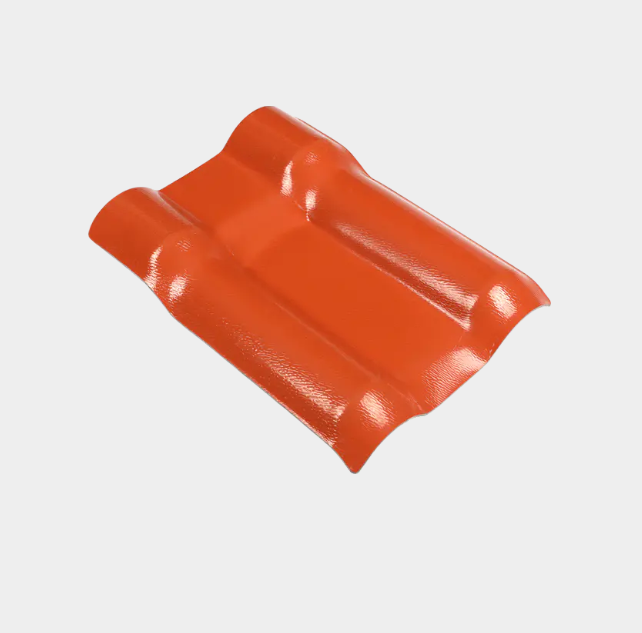
This makes yellow roof tiles an interesting choice for different architectural styles. They do not belong to one design tradition alone. Their appearance can be adapted through the shape of the roof, exterior wall color, window design, and surrounding landscape.
For architects, builders, homeowners, and renovation teams, the question is not simply whether roof tiles can be used. A more useful question is how they can fit the character of a particular building.
Some styles naturally complement warm roof colors. Others may require a more restrained approach. The final appearance depends on how the roof interacts with the rest of the exterior.
What Makes Yellow Roof Tiles Suitable for Different Building Styles?
Yellow is a warm color. On a roof, it can create a softer visual effect than some darker roofing colors.
The result can vary considerably. A muted yellow may blend into a traditional exterior. A warmer tone can create a stronger connection with brick, stone, or natural wood. A lighter shade may give a modern home a brighter appearance.
The shape of the tile also influences the overall impression.
A simple roof surface can look calm and understated. A more decorative roof can make the same color feel more traditional.
Several design elements work together:
| Design Element | Possible Visual Effect |
|---|---|
| Yellow roof color | Adds warmth and visual interest |
| Simple roof lines | Creates a cleaner appearance |
| Decorative tile shape | Supports a traditional character |
| Natural wall materials | Creates a warm exterior combination |
| White or light walls | Produces a brighter appearance |
| Earth-tone walls | Creates a more balanced exterior |
| Green landscaping | Provides a natural contrast |
The surrounding architecture matters just as much as the tile itself.
A yellow roof does not have to dominate the building. It can become one part of a larger color and material arrangement.
Why Can Yellow Roof Tiles Work with Traditional Architecture?
Traditional architecture often uses warm and natural colors.
Brick, stone, wood, plaster, and decorative exterior details can all work naturally with a yellow roof. The warm roof color can reinforce the sense of age, comfort, and craftsmanship that many traditional designs aim to create.
Traditional houses may also have roof shapes with visible slopes and decorative details. Yellow tiles can make these features more noticeable without requiring strong contrast.
The combination can work particularly well when the exterior walls use restrained colors.
For example, a warm yellow roof can sit comfortably above cream-colored walls. It can also work with natural brick or stone. Dark window frames can provide additional definition.
The key is balance.
If every part of the building uses a strong color, the roof may compete with the walls and decorative elements. A simpler exterior can allow the roof color to become a more natural part of the design.
This approach is useful for homes inspired by traditional residential architecture, countryside houses, and other buildings where warmth is an important visual theme.
How Do Yellow Roof Tiles Fit Modern Building Designs?
Modern architecture is often associated with simple lines and controlled color combinations. That does not mean a modern building must use only gray, black, or white roofing.
Roof tiles can introduce warmth into a modern exterior.
The effect depends heavily on the rest of the design. A simple roof with clean edges can prevent the color from appearing overly decorative. Smooth exterior walls can create a clear contrast with the textured surface of the tiles.
Modern buildings can also use natural materials. Wood, stone, concrete-look surfaces, and simple plaster walls can all provide different backgrounds for a yellow roof.
A restrained design approach may be useful.
Instead of using many competing colors, the building can combine the yellow roof with one or two supporting exterior tones.
| Modern Design Direction | Yellow Roof Tile Approach |
|---|---|
| Minimal exterior | Use simple roof lines and restrained colors |
| Natural modern style | Combine with wood, stone, or earth-tone surfaces |
| Light modern style | Pair with white or soft-colored walls |
| Contemporary renovation | Use the roof as a warm contrast to simple walls |
| Modern countryside design | Combine warm roofing with natural landscaping |
The result can feel modern without becoming visually cold.
This is one reason roof color remains an important part of exterior design. A building can have modern lines while still using warm materials and colors.
Which Mediterranean-Inspired Buildings Work with Yellow Roof Tiles?
Mediterranean-inspired architecture often uses warm colors and natural textures.
Stucco walls, stone surfaces, wooden details, and outdoor living areas can create a strong setting for roof tiles.
The roof may become an important visual element because the building style often emphasizes outdoor spaces and warm exterior colors.
Yellow tiles can complement these characteristics.
Cream walls can create a soft combination. Terracotta-colored surfaces can produce a warmer appearance. Natural stone can add texture without competing with the roof.
The surrounding landscape can also influence the result.
Plants, stone paths, wooden doors, and outdoor seating areas can connect the roof color with the rest of the property.
This approach does not require every element to match. In fact, some variation can make the exterior feel more natural.
The roof should work with the building rather than appear as an isolated color feature.
Can Yellow Roof Tiles Suit Rustic and Countryside Buildings?
Rustic architecture often relies on natural materials and a relaxed visual style.
Wood, stone, brick, and textured walls can create a strong connection with the surrounding landscape. Roof tiles can support this look by adding warmth to the upper part of the building.
A countryside home with a yellow roof can appear comfortable and informal when the wall colors remain natural.
The roof can also work with gardens and planted areas. Green vegetation provides a natural contrast to the warm roof color.
Rustic buildings often have more visible material texture than modern structures. This can make the surface of the roof an important part of the overall design.
A simple combination may include:
- Yellow roof tiles
- Natural stone walls
- Wooden doors
- Simple window frames
- Green landscaping
- Earth-tone exterior details
The exact combination depends on the building and its surroundings.
For renovation projects, matching the roof with existing materials can be particularly important. A new yellow roof may look disconnected if the rest of the property uses very different colors and textures.
Why Can Yellow Roof Tiles Work with Transitional Architecture?
Transitional architecture sits between traditional and modern design.
It often combines simple shapes with selected decorative details. The result is more restrained than a highly traditional building but warmer than a purely minimalist exterior.
Roof tiles can fit this balance.
A roof with a simple profile can maintain a clean appearance. The warm color can then provide visual character without making the building look overly decorative.
This style can work well when the exterior combines different materials.
For example, light walls can be paired with wood around the entrance. Stone may appear around the base of the building. Darker window frames can add definition.
The yellow roof connects these elements through color.
Transitional design also provides flexibility during renovation. A homeowner may want to preserve some traditional features while updating other parts of the building.
A carefully selected roof color can help connect the old and new elements.
How Can Yellow Roof Tiles Be Combined with Different Wall Colors?
Roof and wall colors should be considered together.
Yellow roofing can look very different depending on the exterior wall color. A light wall may make the roof appear brighter. A darker wall can create stronger contrast.
Natural colors are often easier to combine with a warm roof.
| Wall Color Direction | Possible Effect with Yellow Roof Tiles |
|---|---|
| White | Bright and clear |
| Cream | Warm and traditional |
| Beige | Soft and balanced |
| Light Gray | Modern contrast |
| Natural Brown | Rustic appearance |
| Brick | Traditional and warm |
| Stone | Natural and textured |
| Soft Green | Connected with surrounding landscaping |
These combinations are only design directions. The actual result depends on the shade of the roof, the wall material, sunlight, and the surrounding environment.
The roof should also be considered from different viewing distances.
A color that looks subtle on a small sample may become more noticeable across an entire roof. This is why visual planning is useful before a large roofing project begins.
The surrounding features should be part of the decision as well.
Doors, window frames, fences, paving, landscaping, and exterior lighting can all influence how the roof is perceived.
What Building Features Should Be Considered Before Choosing Yellow Roof Tiles?
The architectural style is only one part of the decision.
The roof shape also matters. A simple roof can make a strong color feel controlled. A more complex roof can create several areas where the color becomes visible.
The size of the roof is another consideration.
A large roof naturally has more visual influence on the building. A smaller roof may allow the wall materials to remain the main focus.
The surrounding environment should also be considered.
A building surrounded by trees may look different from one in an open urban setting. Neighboring buildings can also affect how the roof color is perceived.
For a renovation, existing materials are particularly important.
Replacing a roof without considering the walls, windows, doors, and landscaping can produce an uneven result. A new roof should fit into the visual language of the existing property.
Homeowners and designers can consider these questions:
Does the roof match the building style?
A warm roof can work with traditional, rustic, Mediterranean-inspired, transitional, and selected modern designs.
Do the wall colors support the roof?
Neutral and natural tones can provide a calm background.
Does the roof shape suit the tile style?
The tile form should work with the overall roof design.
Does the surrounding property support the color?
Landscaping and neighboring buildings can affect the visual result.
Is the roof part of a new building or a renovation?
A new project allows more freedom. A renovation usually requires closer attention to existing materials.
These considerations can help create a more coherent exterior.
Where Can Yellow Roof Tiles Add Character to Residential Architecture?
Residential buildings offer many opportunities for using warm roof colors.
Detached homes can use yellow tiles to create a welcoming exterior. Villas can combine them with stone, plaster, or landscaped gardens. Countryside homes can use the color to reinforce a natural setting.
Even modern residential buildings can introduce yellow roofing as a contrast to simple exterior walls.
The important point is that the roof does not need to define the entire building.
It can provide one visual layer within a larger design.
For example, a modern home may use a simple yellow roof above pale walls and dark window frames. A rustic home may combine yellow tiles with stone and wood. A traditional home may use decorative roof details with cream walls and brick accents.
The same basic roof color can therefore produce very different results.
This flexibility gives designers room to work with local preferences and existing architecture.
Roof tiles can also become useful during renovation. Changing a roof can alter the appearance of an entire property without requiring major changes to the walls.
When the new roof color is carefully matched with the existing exterior, it can refresh the building while maintaining its original character.
The choice ultimately depends on the relationship between the roof, walls, materials, landscape, and architectural style. Yellow roof tiles can support traditional warmth, rustic character, Mediterranean-inspired design, transitional balance, and selected modern exteriors when these elements are considered as one visual composition.


 Email:
 Phone:
 Adress: