



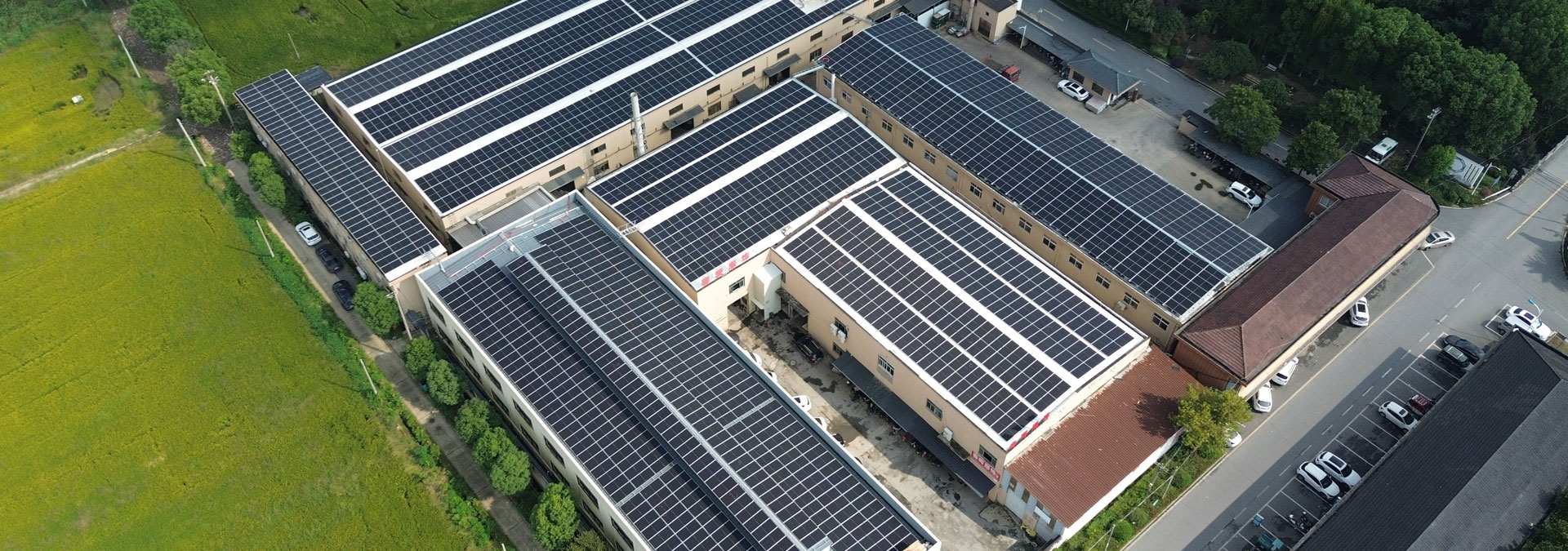
Building exteriors are no longer shaped only by walls, windows, and doors. The roof also has a strong influence on how a property looks from the street. Its color can affect the visual balance of the entire building.
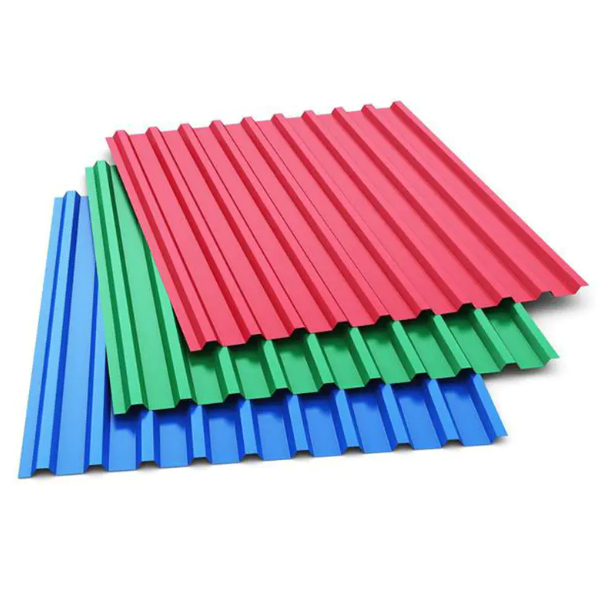
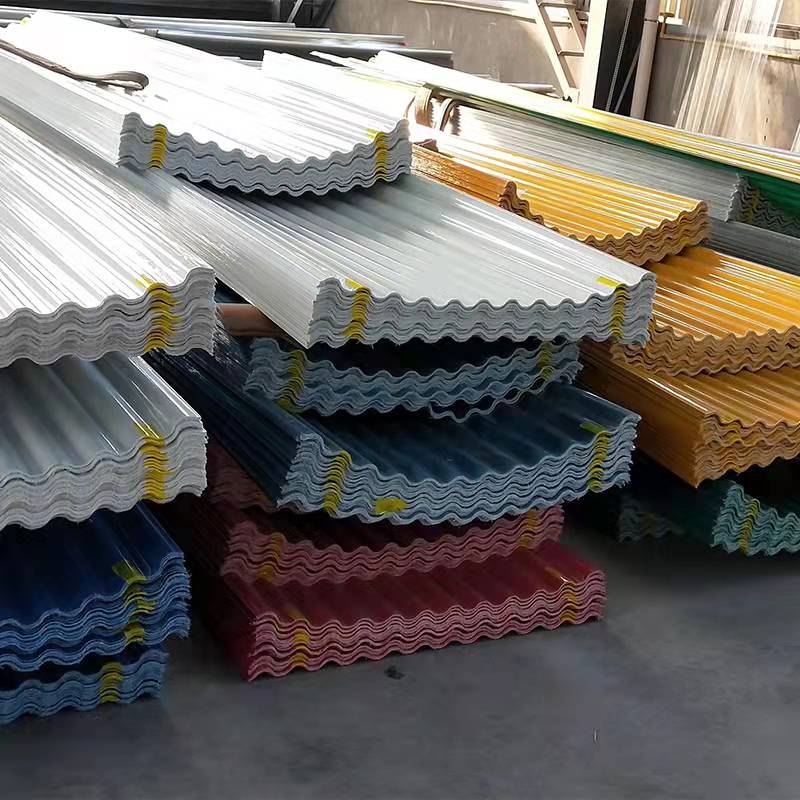
Color steel tile offer a practical way to introduce color into roof design. They are used across industrial buildings, workshops, warehouses, agricultural structures, commercial properties, and some residential projects. Their appearance can range from restrained neutral tones to warmer or more noticeable colors.
This variety gives designers and property owners more room to coordinate the roof with the rest of the building.
A roof does not need to stand apart from the exterior. It can connect the walls, doors, windows, landscape, and surrounding structures through a coordinated color scheme.
As building projects place more attention on exterior appearance, roof color has become an important design consideration alongside material selection and building function.
Why Does Roof Color Matter in Exterior Design?
A roof covers a large part of a building. Even when its shape is simple, its color can be visually noticeable.
A dark roof may create a strong outline against light walls. A lighter roof can make the exterior feel softer. Warm colors can create a more relaxed appearance, while neutral shades can support a restrained design.
It make these choices easier to explore because they are available in different color directions.
The right option depends on the building rather than a universal rule.
For example, a warehouse in an industrial area may benefit from a simple roof color that blends with its surroundings. A commercial building may use a stronger color to create a more recognizable exterior. A residential project may need a roof that works with the walls, windows, doors, and landscaping.
The roof color should therefore be viewed as part of the overall exterior rather than as an isolated choice.
| Exterior Element | How It Can Relate to Roof Color |
|---|---|
| Exterior walls | Creates contrast or a coordinated appearance |
| Doors | Can provide a supporting color connection |
| Window frames | Helps define the building's visual lines |
| Landscaping | Can soften or contrast with the roof |
| Fences | Can connect the building with surrounding structures |
| Paving | Can influence the overall color balance |
| Neighboring buildings | May affect how the roof color is perceived |
This wider view can make color selection more deliberate.
How Do Color Steel Tiles Expand Roofing Color Choices?
Traditional roofing decisions often focused heavily on function and basic appearance. Modern building projects can take a broader approach.
It allow roofing to become part of an exterior color plan.
A project may choose a neutral roof for a quiet appearance. Another may use a warmer color to create a stronger visual identity. A darker shade can give a building a defined outline.
The choice does not necessarily need to be dramatic.
Subtle differences between roof colors can change the character of a building without making the roof the main visual feature.
This is useful for projects with different design goals.
Industrial buildings often favor practical and coordinated exterior colors. Commercial properties may have more freedom to use distinctive colors. Agricultural buildings may benefit from tones that fit their natural surroundings.
Residential projects can use roof color to connect the building with gardens, driveways, and neighboring homes.
The flexibility of tiles allows these different needs to be considered without changing the basic role of the roof.
Which Building Styles Can Benefit from Color Steel Tile Roofs?
It can fit many architectural directions.
Simple building forms can use a single roof color to maintain a clean appearance. More traditional properties can combine a warm roof tone with brick, stone, or textured walls.
Modern buildings may use a darker or neutral roof against lighter exterior surfaces.
Rustic buildings can work with natural colors that relate to wood, stone, and surrounding vegetation.
The important point is coordination.
| Building Style | Possible Roof Color Direction | Exterior Relationship |
|---|---|---|
| Modern | Neutral or dark | Creates a clear contrast with simple walls |
| Traditional | Warm or muted | Complements brick, stone, and decorative details |
| Rustic | Earth-related tones | Connects with natural materials and landscaping |
| Industrial | Restrained colors | Creates an organized building appearance |
| Commercial | Coordinated or distinctive | Supports exterior identity |
| Agricultural | Natural or subdued | Fits surrounding land and structures |
These are general design directions rather than fixed rules.
A building can use an unexpected color combination and still create a balanced appearance when the different elements are considered together.
How Can Roof Colors Be Matched with Exterior Walls?
Wall and roof colors have a strong visual relationship.
A roof with a noticeable color can be balanced by using quieter walls. Conversely, a neutral roof can allow more freedom with exterior wall colors.
Light walls often create clear contrast with darker roofs. Cream, beige, and other warm wall colors can create a softer connection with warm roofing.
Brick and stone offer another option.
Their natural variation can make a colored steel roof feel more connected to the building rather than appearing as a separate surface.
A simple color plan can help.
For example, a building may use:
- A colored steel roof
- A neutral exterior wall
- A darker door
- Simple window frames
- Natural landscaping
This creates several visual layers without using too many competing colors.
Color matching should also account for the size of the roof.
A small roof area may make a color appear relatively subtle. A large roof can make the same color much more noticeable.
For this reason, a sample viewed separately may not provide the same impression as the finished building.
The surrounding materials should always be considered.
Can Color Steel Tiles Improve the Visual Identity of Commercial Buildings?
Commercial buildings often need to look clear and recognizable.
A roof color can contribute to that visual identity without relying entirely on signs or exterior decorations.
Retail buildings, service facilities, storage buildings, workshops, and other commercial properties may use roof color as part of a wider exterior design.
The approach can remain simple.
A business property might select a roof color that relates to its doors and exterior trim. Another building may use a contrasting roof to make the structure easier to distinguish from nearby properties.
This can be useful when several buildings share a similar shape.
Color becomes one way to create visual differences.
At the same time, commercial buildings often need to fit into their surroundings. A very noticeable roof may not suit every location.
Local building requirements, neighboring properties, and the intended character of the site should be considered before making the decision.
The purpose is not simply to make a roof more noticeable. It is to make the exterior feel intentional.
Why Is Color Selection Important for Industrial Buildings?
Industrial buildings are often large and visually simple.
Warehouses, workshops, manufacturing facilities, and storage structures may have broad roof surfaces and straightforward exterior walls.
Because of this, roof color can have a noticeable effect on the overall appearance.
A neutral color can help a large building blend into an industrial area. A darker roof can create a strong boundary between the roof and walls. A softer color can reduce the visual weight of a large structure.
The surrounding environment also matters.
An industrial building near other facilities may benefit from a coordinated appearance. A standalone facility may have more freedom to establish its own exterior character.
It provide options without requiring complicated exterior decoration.
This can be useful for projects where the roof needs to remain practical while still contributing to the appearance of the property.
How Can Color Steel Tiles Support Agricultural and Rural Buildings?
Agricultural buildings often sit within natural surroundings.
Barns, storage buildings, workshops, shelters, and other rural structures may be surrounded by fields, trees, soil, and vegetation.
Roof color can either blend with this environment or provide a visual contrast.
Natural and muted colors can create a quieter appearance. Warmer colors may complement wood and other natural materials.
A rural building does not need to use the same roof color as nearby homes. However, a coordinated approach can help several structures appear as part of the same property.
For example, a farm may have a main building, storage structure, workshop, and equipment shelter. Using related exterior colors can create visual consistency across the site.
It can support this approach by giving property owners different roofing color options.
The roof becomes part of the landscape rather than simply a functional covering.
What Should Designers Consider When Choosing a Color Steel Tile Color?
Color selection should begin with the building rather than the tile itself.
Several questions can help guide the decision.
What is the architectural style?
A traditional building may suit warm and muted colors. A modern structure may work with simpler neutral tones.
What color are the walls?
The roof should create a useful relationship with the exterior walls. Strong contrast and gentle coordination can both work.
What materials are already present?
Brick, stone, wood, glass, and metal each create different visual relationships.
How large is the roof?
A large roof can make a color more visually dominant.
What surrounds the building?
Trees, roads, neighboring buildings, fences, and landscaping all influence the final appearance.
Is the project new construction or renovation?
New buildings offer more freedom. Renovations usually need to respect existing colors and materials.
| Design Question | Possible Direction |
|---|---|
| Want a quiet appearance? | Consider restrained roof colors |
| Want more contrast? | Pair a stronger roof tone with lighter walls |
| Want a natural look? | Consider colors related to earth and vegetation |
| Want a modern exterior? | Use simple roof colors with clean wall surfaces |
| Want a traditional appearance? | Coordinate warm roof tones with brick or stone |
| Want visual consistency? | Match the roof with doors, trim, or other exterior details |
These choices can help avoid random color combinations.
How Can Roof Color Influence Renovation Projects?
Roof replacement can change more than the roof itself.
When an old roof is replaced, the new color can make the building appear noticeably different. This creates an opportunity to refresh the exterior without changing every architectural feature.
A renovation team may choose to keep the existing wall color and introduce a new roof tone. Another project may update several exterior elements at the same time.
It can be considered in both situations.
A new roof can complement existing brick or stone. It can also create a stronger contrast with older exterior walls.
The surrounding property should remain part of the decision.
For example, a roof color that looks suitable on a new building may feel less appropriate when placed above an older facade. Matching the new roof with existing windows, doors, fences, and landscaping can produce a more connected appearance.
Renovation projects also provide a chance to rethink the visual relationship between different structures.
A garage, workshop, extension, or storage building can use a related roof color to create a consistent property design.
Where Does Color Steel Tile Design Continue to Evolve?
Building exterior design is becoming more attentive to the relationship between function and appearance.
Roofs still need to serve their basic building role, but their visual contribution is also receiving attention. This is particularly noticeable in projects where large roof surfaces occupy a significant part of the exterior view.
Color steel tiles offer a straightforward way to explore that relationship.
The color can support the building style. It can contrast with the walls. It can connect several structures on one property. It can also provide a visual link between the building and its surrounding landscape.
Different projects will require different approaches.
A warehouse may need a restrained appearance. A commercial building may use a stronger color relationship. A rural property may favor natural tones. A modern home may combine a simple roof color with clean exterior walls.
The growing range of exterior design choices means roofing color can be considered alongside the building's materials, form, surroundings, and intended character.
For designers and property owners, this makes the roof more than an upper surface. It becomes another part of the building's visual language.


 Email:
 Phone:
 Adress: