



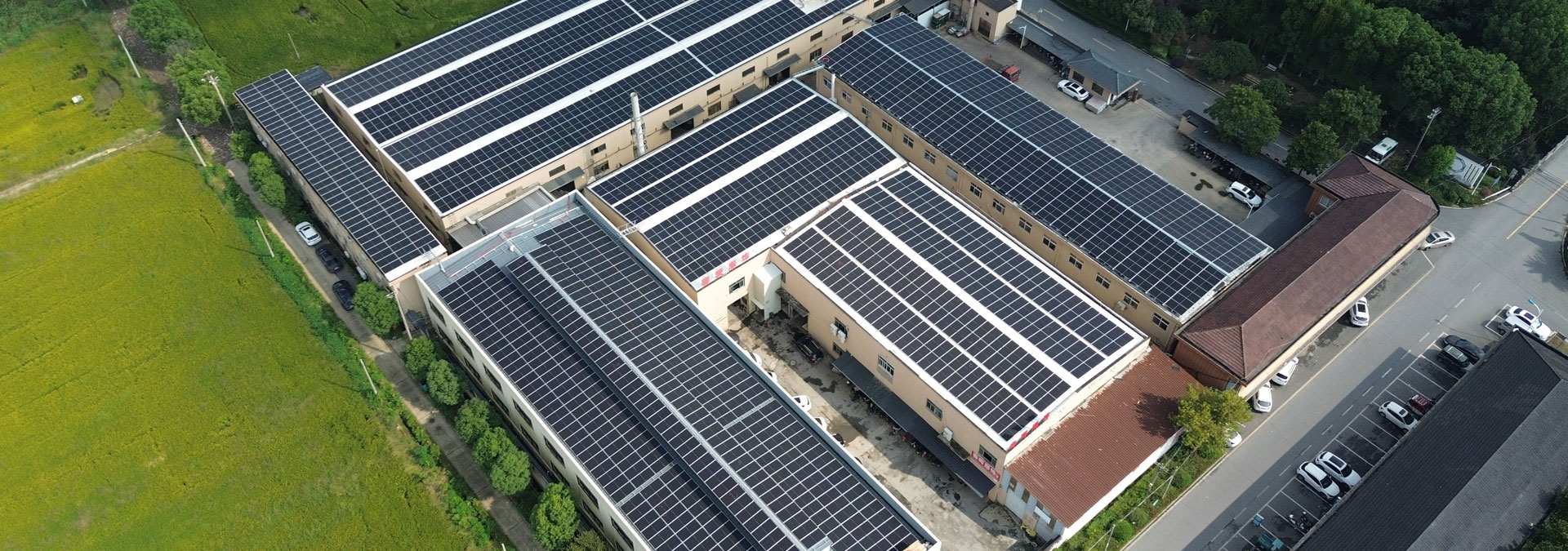
Why are roofing materials becoming part of environmental discussions?
Roofing used to be seen as a simple protective layer. It kept rain out and shielded interiors from sunlight. That view is changing. Today, the roof is part of a larger conversation about energy use, resource management, and long-term impact.Buildings take up space and consume resources. Among all structural elements, the roof has one of the largest exposed surfaces. It interacts with sunlight, wind, and rain every day. This constant exposure makes it an active part of how a building performs.
In many projects, attention has shifted toward how materials influence not only immediate function but also future conditions. A roof can affect indoor comfort. It can shape how much energy a building consumes. It can even influence how often materials need to be replaced.That is where environmentally friendly roofing materials come into focus. They represent an effort to rethink how roofs are designed and used. Instead of focusing only on protection, these materials aim to support a more balanced relationship between construction and the environment.
What defines environmentally friendly roofing materials ?
Being "environmentally friendly" is not about one specific trait or a single product category. It's determined by the material's overall impact across its full lifecycle—from sourcing raw ingredients, through manufacturing, performance while in place, to eventual removal or disposal.
A roofing material is generally regarded as environmentally responsible when it demonstrates strong performance in several (ideally most) of these key areas:
- Energy efficiency during use — It helps lower the building's heating and cooling demands (for example, by reflecting solar heat, providing insulation, or allowing natural ventilation), which reduces long-term energy consumption and greenhouse gas emissions.
- Responsible material sourcing and renewability — It incorporates renewable, rapidly replenished, or abundantly available resources, or it relies heavily on recycled or reclaimed content rather than virgin raw materials.
- Minimal waste generation — The product produces little scrap or off-cut waste during installation, and—when the time comes for replacement—it generates less debris that ends up in landfills.
- Extended durability and service life — Longer-lasting materials mean fewer roof replacements over decades, which avoids repeated extraction of resources, manufacturing energy, and disposal impacts.
- Low negative interaction with the environment — It avoids releasing harmful substances into air, soil, or water during production, use, or weathering, and it may even provide positive benefits (such as supporting biodiversity, managing stormwater, or mitigating urban heat).
No one quality alone makes a roofing material truly sustainable. The best environmental outcomes come from materials that perform well across multiple—if not all—of these dimensions, creating a balanced, low-impact profile from cradle to grave (or cradle to cradle in the case of truly circular systems).
How do eco-friendly roofing materials differ from traditional options?
Traditional roofing solutions have long been valued for their durability and affordability. They meet essential needs. They provide protection and structural support. Yet, they often focus on immediate performance rather than long-term environmental considerations.Eco-friendly materials expand the scope of evaluation. They are designed with both present and future conditions in mind.
A simple comparison highlights the contrast:
| Aspect | Conventional Roofing | Eco-Friendly Roofing |
|---|---|---|
| Resource source | Often limited to non-renewable inputs | Includes renewable or recycled elements |
| Heat interaction | May retain heat | Often reflects or reduces heat gain |
| Waste impact | Can generate more waste after use | Designed to reduce or reuse materials |
| Lifespan focus | Functional lifespan only | Lifecycle awareness |
The visual difference between the two may not be obvious. Many environmentally conscious materials resemble standard options in shape and appearance. The distinction lies in how they behave over time and how they affect the environment beyond the building itself.
What types of environmentally friendly roofing materials are available?
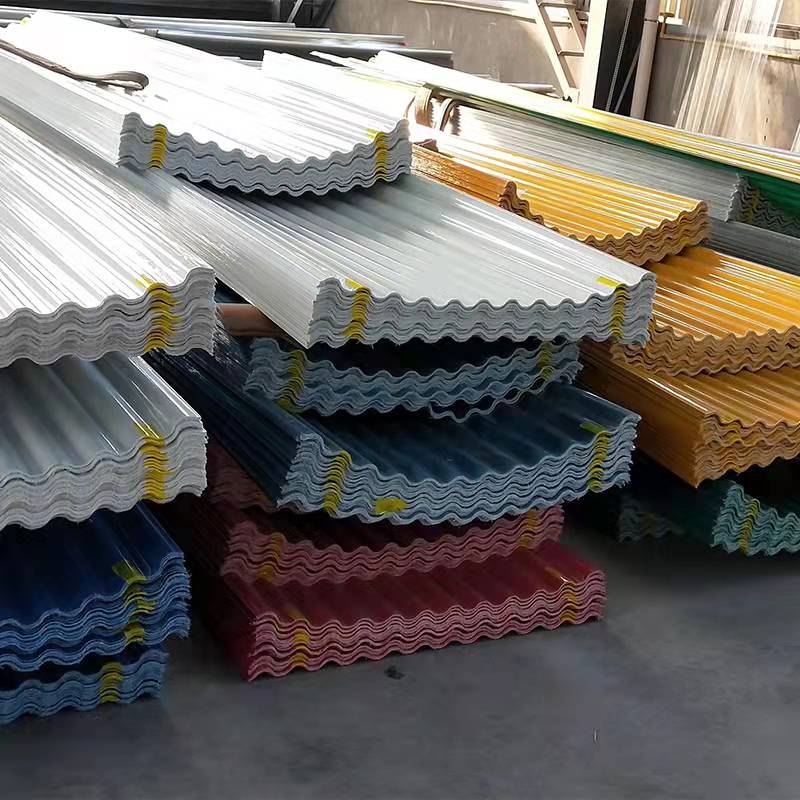
The category includes a wide range of materials. Each type addresses environmental concerns in its own way. In industrial and commercial construction, several approaches have become more common.
1. Reflective roofing materials
These materials are designed to reflect sunlight rather than absorb it. This reduces heat buildup inside the building. Lower indoor temperatures can decrease reliance on cooling systems.Reflective surfaces often appear in light tones or treated finishes. Their main role is to manage solar exposure.
2. Recyclable metal roofing
Metal roofing can be reused or recycled after its service life. It also tends to maintain its structure over long periods.Its lightweight nature supports efficient installation. In large buildings, this can simplify the construction process.
3. Composite roofing systems
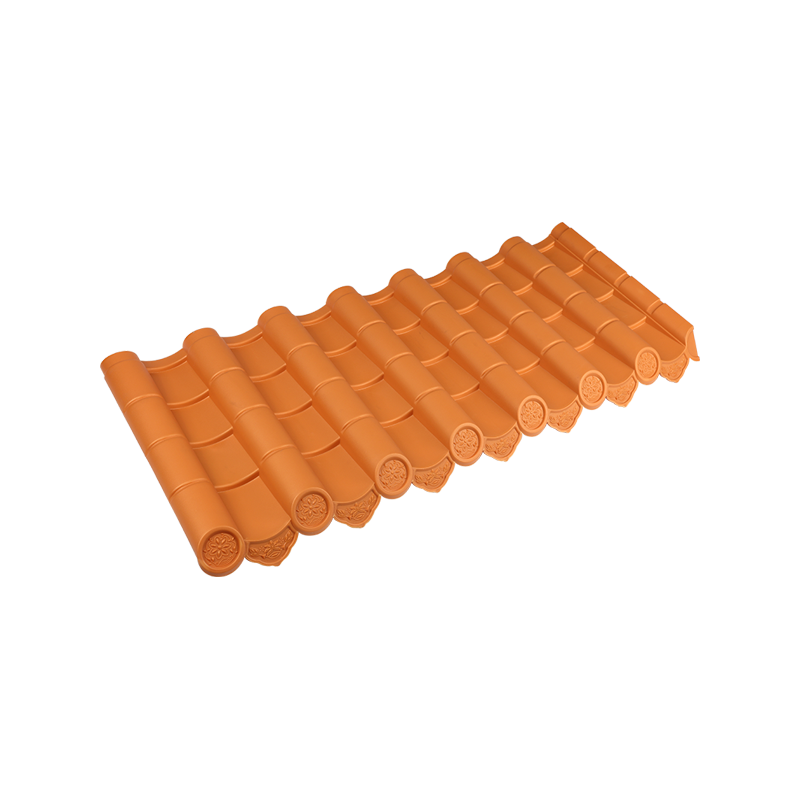
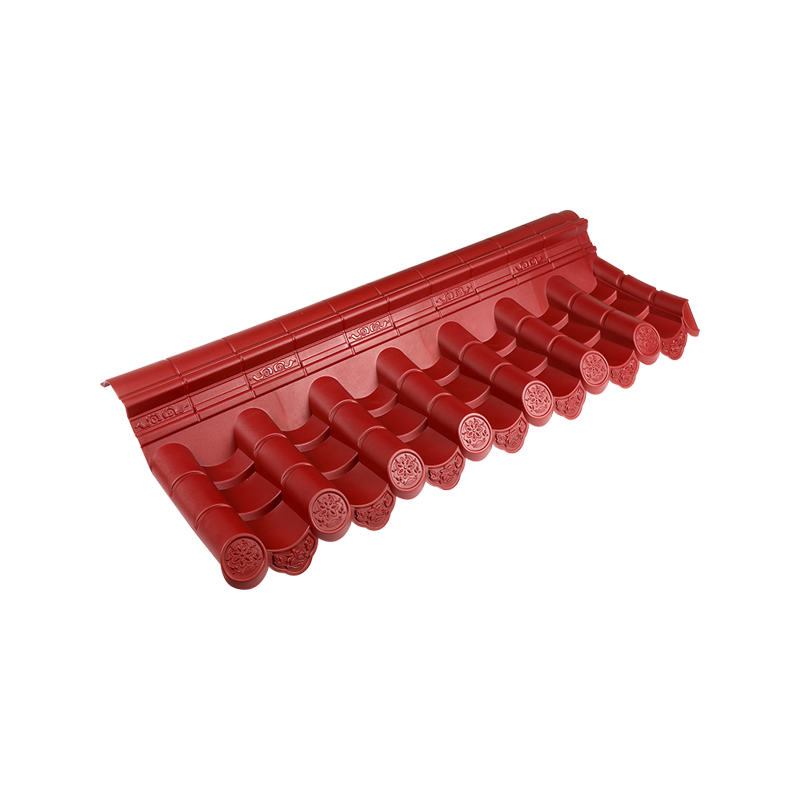
Composite materials combine multiple components into one structure. Some versions incorporate recycled content.They can be shaped to resemble traditional roofing styles while offering more flexible performance.
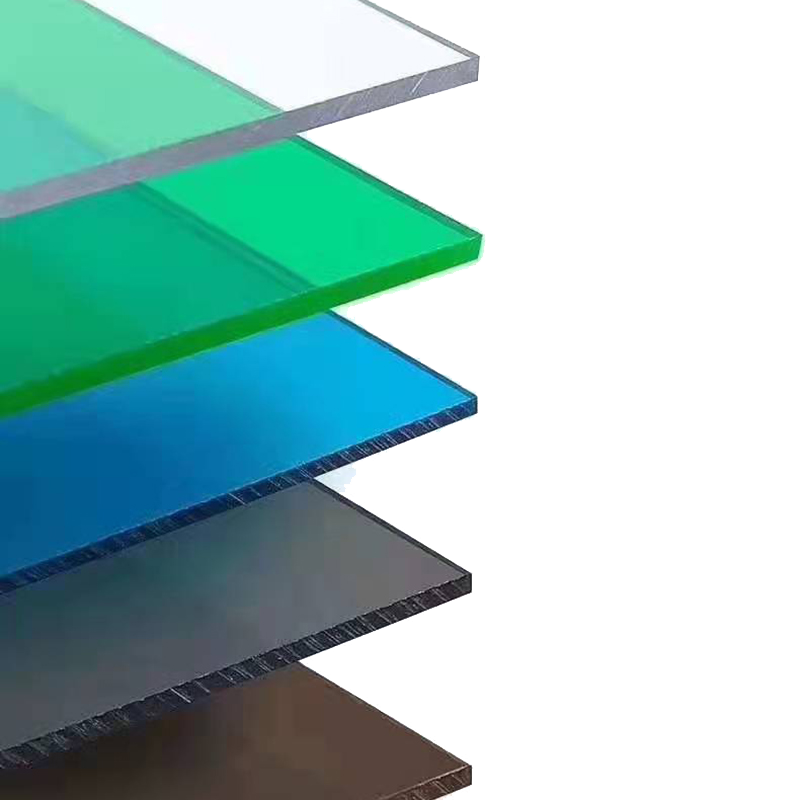
4. Insulated roofing panels
These panels include layers that slow down heat transfer. They help maintain stable indoor temperatures.They are often used in spaces where temperature consistency is important.
5. Membrane roofing systems
Membrane systems create a continuous surface across the roof. This reduces seams and helps prevent water penetration.Some membranes also reflect sunlight, contributing to energy efficiency.
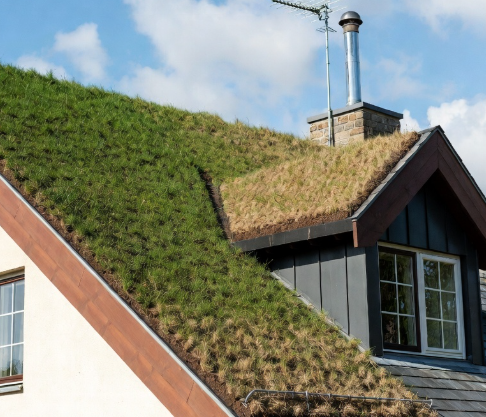
6. Vegetative roofing systems
Also known as green roofs, these systems include plant layers. They absorb heat and manage rainwater.They also change how a building interacts with its surroundings, adding a natural element to industrial structures.
Each type offers a different approach. Selection depends on how the building is used and what environmental goals are prioritized.
How do these materials support energy efficiency?
Energy efficiency stands out as one of the most significant benefits of sustainable roofing choices. The roof is a primary pathway for heat gain and loss in any building, so the materials and design used there directly affect how much energy is needed to keep indoor spaces comfortable.
Here's how these materials typically deliver energy savings:
- High solar reflectance (cool roofing) Materials that reflect a large portion of incoming sunlight—rather than absorbing it—keep the roof surface much cooler. Less heat is transferred into the building below, which dramatically lowers cooling loads during hot weather. In sunny, warm climates, this single property can produce the most noticeable reduction in air-conditioning use.
- Effective thermal insulation Insulated roofing systems (such as composite or sandwich panels with foam, rigid insulation, or other low-conductivity cores) create a strong barrier to heat flow in both directions. They slow heat gain in summer and reduce heat loss in winter, helping maintain stable indoor temperatures with less frequent or intense operation of HVAC equipment.
- Built-in or compatible ventilation features Certain roofing assemblies incorporate air channels, raised profiles, or ventilated underlay systems that allow heat to escape before it reaches the interior. This passive airflow reduces heat buildup under the roof deck and helps prevent moisture-related issues, contributing to a more naturally balanced indoor environment with reduced dependence on mechanical cooling or dehumidification.
These energy-saving effects rarely come from just one characteristic working in isolation. Instead, they result from the combined action of:
- reflectivity (keeping heat out),
- insulation (slowing heat movement through the assembly),
- and ventilation (removing trapped heat).
When these properties are well-integrated into the roofing system, the result is meaningfully lower energy consumption for temperature control over the life of the roof—often translating into lower utility bills, reduced strain on mechanical systems, and a smaller carbon footprint for the building as a whole.
Can roofing materials influence environmental impact beyond energy use?
Yes—energy efficiency during the building's operation is only one piece of the puzzle. Roofing materials have a broader environmental footprint that shows up in resource consumption, waste generation, water cycles, and even the ease of future building adaptations.
Here are the main ways roofing choices extend their influence beyond energy savings:
- Resource conservation through recyclability and reusability Materials that are recyclable at end-of-life—or better yet, designed for direct reuse—cut down on the extraction of virgin raw materials (like aggregates, metals, or petroleum-based products). This reduces mining, quarrying, logging, and refining impacts, while also keeping usable material out of landfills or incinerators.
- Designs that enable disassembly and component-level replacement Some modern roofing systems are built with mechanical fastening, modular panels, or clip-together components rather than permanent adhesives or full-bonded layers. This makes selective repairs, upgrades, or full disassembly straightforward. Instead of demolishing and discarding an entire roof, individual sections or layers can be removed, refurbished, or reinstalled elsewhere—extending material life cycles and avoiding unnecessary waste.
- Stormwater management and runoff reduction The roof surface plays a major role in how rainwater moves across a property. Certain materials and profiles (such as reflective cool roofs, vegetated/green roofs, or systems with built-in drainage channels) slow, detain, filter, or direct runoff in ways that reduce flooding risk, lessen erosion, protect local waterways from pollutants, and make rainwater harvesting easier and cleaner. These features help mitigate the "urban heat island" effect and support healthier local ecosystems.
- Lower waste and disruption during installation Roofing systems that involve fewer components, less cutting on-site, or factory-prefabricated elements generate significantly less scrap during initial construction. Simpler, quicker installation methods also shorten the time crews are on-site, which can reduce temporary site impacts (noise, dust, fuel use for equipment) and lower the overall carbon footprint of the project.
Taken together, these factors demonstrate that environmentally responsible roofing goes far beyond how much heating or cooling energy a building consumes. The choices made in material selection and system design affect resource depletion, landfill volumes, water quality, biodiversity support, and the long-term adaptability of the built environment—creating ripple effects that reach well outside the building's walls and roofline.
What factors should be considered when selecting eco-friendly roofing materials?
Selecting a roofing material involves more than choosing a product. It requires a balanced view of several factors.
1.Building structure
The shape and strength of the roof influence what materials can be used. Lightweight options may suit large-span structures.
2.Climate conditions
Sunlight, rainfall, and wind all affect performance. Materials should respond to local conditions rather than resist them without adaptation.
3.Installation approach
Ease of installation affects labor and time. Modular systems can simplify the process.
4.Maintenance needs
Some materials require regular inspection. Others are more stable over time. Maintenance planning should match operational capacity.
5.Environmental priorities
Different projects emphasize different goals. Some focus on energy reduction. Others prioritize recyclability or material sourcing.
6.Design considerations
Appearance has become more relevant in modern construction. Roofing materials contribute to the overall visual identity of a building.
These factors are interconnected. A decision in one area often influences another.
How is the construction industry responding to eco-friendly roofing trends?
The move toward more sustainable building practices is unfolding steadily rather than overnight, and roofing is very much part of this broader evolution.
Manufacturers are actively experimenting with innovative material formulations and production methods. The focus is on achieving high performance while cutting down on manufacturing waste, using more recycled or bio-based content, and designing products that generate less scrap during both production and field installation.
Architects, engineers, and specifiers are giving greater consideration to how roofing systems perform in real-world environmental conditions—such as extreme weather, urban heat, and local climate patterns—rather than relying solely on traditional metrics like wind uplift or fire ratings. This includes evaluating solar reflectance, thermal mass, stormwater handling, and long-term durability under changing conditions.
There is increasing adoption of modular and prefabricated roofing systems. These designs emphasize standardized, interlocking components that speed up installation, reduce on-site errors, and make future repairs, upgrades, or complete re-roofing far less disruptive. The built-in flexibility supports adaptability as building needs or codes evolve over time.
Building owners and developers are shifting their priorities as well. Beyond initial cost and appearance, they now frequently prioritize systems that promise extended service life, minimal maintenance interruptions, and measurable environmental benefits. Sustainability credentials—such as lower embodied carbon, recyclability, or contribution to green building certifications—are becoming standard items in project evaluations and decision-making.
This transition is incremental and iterative. It advances through ongoing experimentation, feedback from real installations, updated standards, and gradual changes in supply chains and client expectations—rather than through sudden, sweeping replacements of existing practices. The industry is learning as it builds, steadily incorporating more environmentally responsible roofing solutions into mainstream construction.
Why does the concept of environmentally friendly roofing continue to evolve?
Environmental awareness is not fixed. It changes over time as new ideas and challenges emerge.Materials improve. Design strategies adapt. What is considered environmentally responsible today may be viewed differently in the future.Roofing systems reflect this evolution. They adapt to new expectations about energy use, material efficiency, and environmental balance.As buildings continue to change, the role of the roof expands. It is no longer just a protective layer. It becomes an active element that interacts with both the structure and the environment.


 Email:
 Phone:
 Adress: