



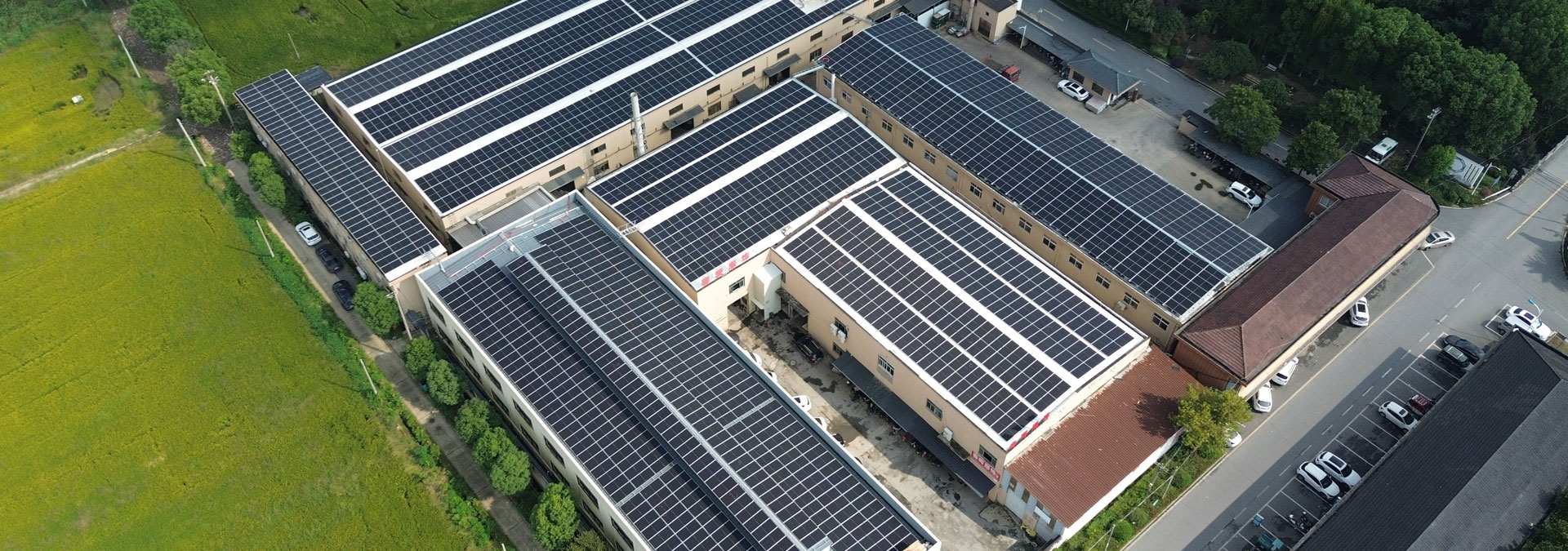
The roofing materials industry has gone through noticeable growth and real change in recent years. Chinese manufacturers have stepped up in a big way, becoming important suppliers not just for the huge domestic market but for buyers around the world as well.
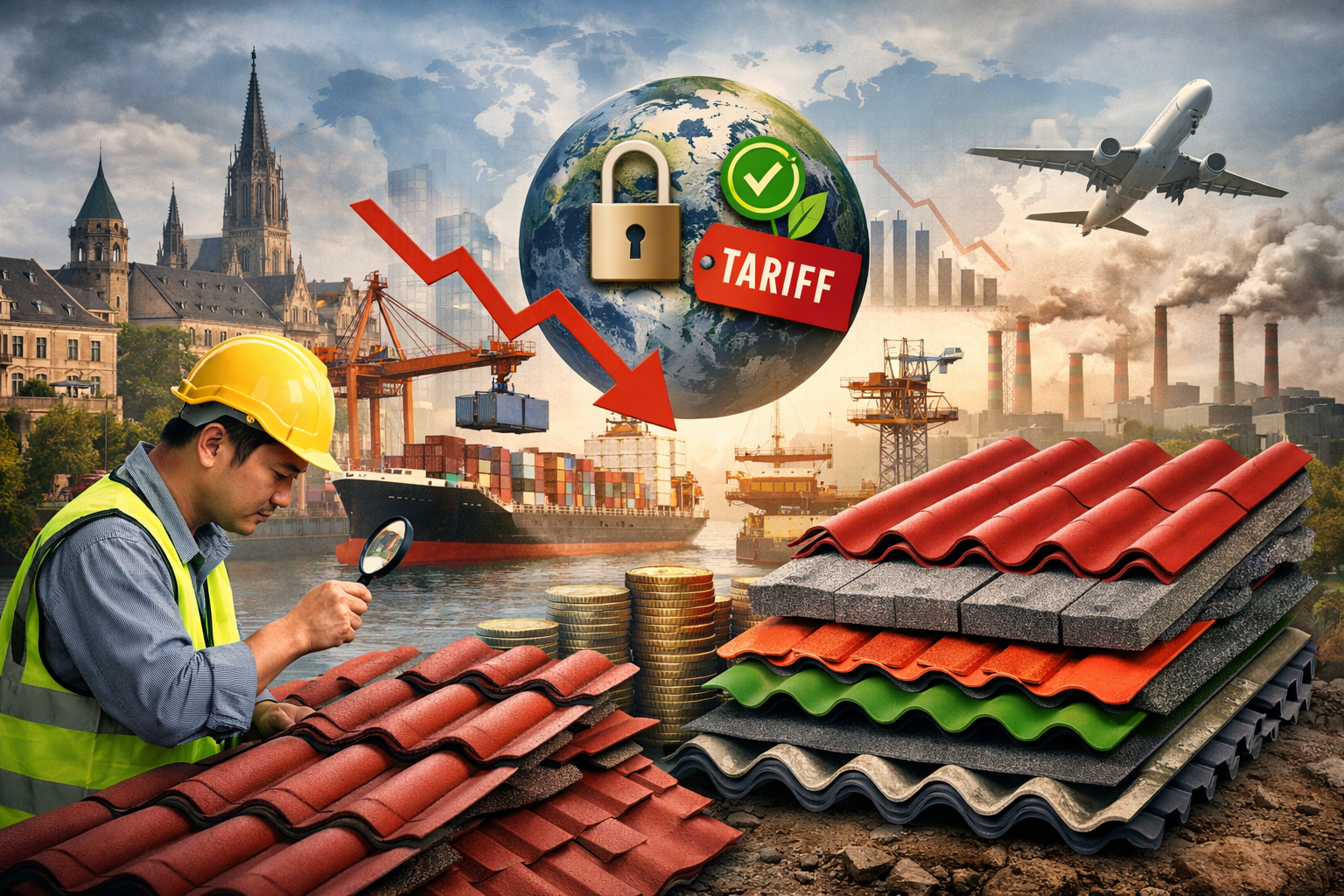
As they continue to expand globally, however, they're running into a variety of challenges that reach far beyond simply producing the materials. To truly understand what they're facing, it helps to look at the bigger picture: how market trends are shifting, the pressure from competition, tougher quality expectations, complicated trade rules and regulations, logistics and shipping difficulties, the struggle to build strong brands, and the increasing focus on sustainability. All of these pieces are now shaping the path forward for Chinese roofing manufacturers on the international stage.
What Market Trends Are Influencing Global Demand for Roofing Materials?
Global demand for roofing materials is being shaped by several important trends right now:
- Urbanization and construction growth: As cities expand rapidly across the world and new building projects keep popping up, the need for both residential and commercial roofing keeps rising steadily.
- Sustainability focus: More and more countries and buyers are shifting toward energy-efficient and environmentally friendly materials that can lower long-term energy costs and reduce the overall impact on the planet.
- Regional preferences: Climate and local culture play a big role in what people choose. For instance, areas with heavy rain and heat need roofing with excellent water resistance and durability, while colder regions look for strong insulation and solid weather protection.
- Building regulations: Local building codes often set strict requirements for performance, fire safety, or specific material properties. These rules can vary a lot from country to country and directly influence how manufacturers design and export their products.
Because of these trends, manufacturers need to stay flexible — constantly tweaking their products to fit different markets and staying ahead of how customer expectations continue to change.
How Does International Competition Affect Chinese Manufacturers?
Chinese roofing materials manufacturers are operating in a highly competitive global market. They go head-to-head with well-established brands from Europe, North America, and other parts of Asia — many of which have decades of history and strong reputations that buyers already trust.
Simply offering the lowest price is no longer enough to win. Today's customers are looking at a wider range of factors, including durability, how the roofing looks, and whether it meets strict environmental standards.
Innovation has also become a major pressure point. Many international competitors pour significant resources into research and development, constantly coming out with new designs, improved materials, and smarter technologies. Chinese manufacturers are now expected to keep up with this pace of advancement if they want to stay competitive. Striking the right balance between keeping prices affordable and pushing product quality forward has turned into one of their biggest challenges.
On top of that, lingering perceptions about quality can make things tougher. Some buyers still link lower cost with lower reliability, which can slow down acceptance when entering new markets. To overcome this, Chinese manufacturers need to consistently prove that their products perform well and can be trusted over the long term.
What Quality and Certification Challenges Exist for Exports?
When Chinese roofing manufacturers want to sell overseas, they quickly discover a complex and varying set of quality standards and certifications required by different countries. Every market has its own building codes, safety regulations, and precise material specifications. Failing to meet these can completely block entry into that country's market.
Beyond the usual quality and safety requirements, environmental and sustainability certifications are gaining much greater importance. More and more international buyers now demand clear evidence that the roofing materials have a low environmental impact, produce minimal emissions, and align with sustainable construction standards.
Obtaining these certifications is neither fast nor straightforward. It demands careful product design from the start, tightly controlled manufacturing processes, and thorough documentation throughout. For many Chinese manufacturers, trying to meet all these different demands at the same time remains one of the biggest and most difficult challenges when expanding into global markets.
| Challenge | Impact | Mitigation |
|---|---|---|
| International codes | Delayed approvals | Pre-testing and local partnerships |
| Certifications | Higher production cost | Sustainable materials, process optimization |
| Quality consistency | Risk of returns | Standardized production, regular inspections |
How Do Trade Policies and Tariffs Impact Chinese Roofing Exports?
Trade policies and tariffs create quite a lot of extra complexity for Chinese roofing manufacturers when exporting their products:
- Tariffs and import duties: These differ from one country to another and can significantly push up the final price, making it much more difficult to keep Chinese roofing materials competitive.
- Regulatory restrictions: Certain markets put strict limits on specific materials or require detailed testing reports and extensive documentation before the products are allowed through customs.
- Geopolitical risks: Trade disputes or political tensions can suddenly throw up new barriers, cause unexpected delays, or even lead to temporary restrictions.
Because these rules and policies can shift without much warning, manufacturers need to stay constantly vigilant, keep a close watch on changes, and be ready to adjust their export strategies quickly to avoid serious disruptions and losses.
What Role Does Logistics Play in Global Market Expansion?
Logistics plays a very important role when Chinese roofing manufacturers want to expand into international markets. Roofing materials are typically bulky, heavy, and sometimes fragile, so getting them overseas safely demands careful packaging, reliable shipping partners, and well-planned routes. Even a small mistake in handling can result in damaged goods, long delays, and extra costs that add up quickly.
Shipping costs can vary a lot depending on the distance, weight, and the way the materials are transported. These high logistics expenses can seriously squeeze profit margins, especially when competing with local suppliers who don't have to ship materials halfway around the world. Timely delivery is equally crucial — most construction projects run on tight schedules, and any delay in receiving the materials can throw the entire project timeline off track.
Supply chain reliability is just as critical. Global events, natural disasters, or sudden transport strikes can interrupt shipments without any warning. To protect their reputation, Chinese manufacturers need strong backup plans so they can continue delivering consistently even when things don't go as expected.
In the end, solid logistics is much more than simply moving products from the factory to the customer. It's a key part of building trust and achieving lasting success in global markets.
How Important Is Brand Recognition and Marketing Abroad?
Brand recognition and marketing are extremely important when Chinese roofing manufacturers want to succeed in overseas markets:
- Building trust: Buyers tend to feel much more comfortable choosing brands they already know and trust — especially for roofing materials that need to last for many years.
- Marketing strategies: Taking part in international trade shows, partnering with local distributors, and sharing real project case studies can significantly boost visibility and help the brand get noticed.
- Customer support: Providing solid warranties, reliable after-sales service, and clear technical documentation helps build long-term confidence with customers and distributors.
Without strong brand recognition and smart marketing efforts, even excellent-quality roofing products can have a hard time gaining market share abroad. Many buyers simply prefer to stick with familiar names rather than take a chance on an unknown supplier, no matter how good the product actually is.
How Are Chinese Manufacturers Addressing Sustainability Concerns?
Sustainability is becoming more and more important to international buyers, and Chinese roofing manufacturers are taking real steps to respond:
- Eco-friendly materials: They are increasingly using recyclable and low-impact raw materials to lower the environmental footprint of their products.
- Energy-efficient production: Many factories are focusing on reducing electricity and water consumption during the manufacturing process.
- Green product design: Manufacturers are developing roofing materials that help buildings save energy, such as improved insulation and heat-reflective surfaces.
- Compliance with global environmental standards: By meeting international regulations and obtaining recognized green certifications, they can enter markets that prioritize eco-friendly construction.
Chinese manufacturers are trying to strike a practical balance — improving sustainability without letting costs get out of control — so they can remain competitive while also appealing to buyers who want more responsible choices.
What Strategies Can Help Chinese Roofing Manufacturers Succeed Globally?
Several strategies support success in international markets:
- Innovation and R&D: Creating weather-resistant and energy-efficient roofing materials.
- International partnerships: Collaborating with distributors and contractors to improve market access.
- Sustainability initiatives: Adopting eco-friendly materials and energy-saving production.
- Quality control: Standardizing processes to maintain consistent product performance.
- Marketing and branding: Showcasing product performance, case studies, and providing support.
| Strategy | Benefit | Implementation |
|---|---|---|
| Innovation | Meet diverse market needs | Develop new materials and designs |
| Partnerships | Local insight and credibility | Collaborate with distributors |
| Sustainability | Enter eco-conscious markets | Recycled materials, energy-efficient production |
| Quality control | Build trust | Inspections, standardized routines |
| Branding | Enhance recognition | Marketing, case studies, after-sales service |



 Email:
 Phone:
 Adress: