



Roofing materials have evolved significantly in recent years, and ASA resin tiles are quickly becoming a versatile and practical choice for modern construction.Chuanya, a leading Chinese manufacturer of ASA resin tiles, creates products that combine excellent durability, flexible design options, and a strong focus on sustainability.Taking a closer look at the key features, benefits, and global appeal of these tiles makes it clear why they are attracting growing interest for both residential and commercial roofing projects.
What Are Chinese ASA Resin Tile and Why Are They Gaining Popularity?
ASA resin tiles are synthetic roofing tiles made from advanced polymers. They are specially designed to handle harsh weather conditions while keeping their strength and good looks for a long time.
- Weather resistance: They stand up well to strong UV rays, heavy rain, and big temperature swings without cracking or breaking down.
- Color retention: Unlike many traditional roofing materials, ASA resin tiles hold their vibrant color year after year with very little fading.
- Lightweight design: Being much lighter than clay or concrete tiles makes them easier and cheaper to transport and install, while also putting less weight on the building structure.
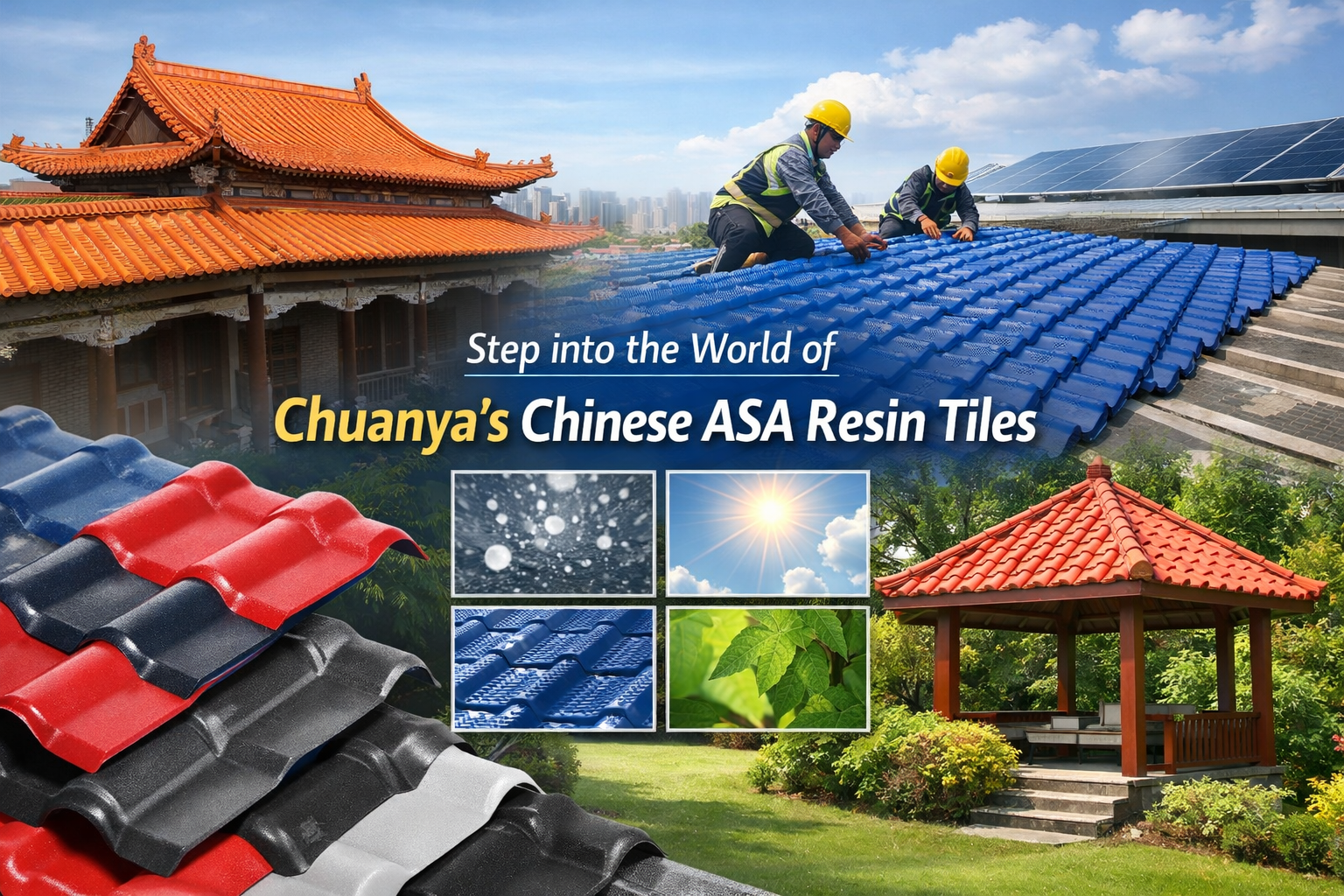
- Versatile applications: They work well on sloped roofs, garden pavilions, villas, and even commercial buildings.
Thanks to this strong combination of durability, low maintenance, and attractive appearance, ASA resin tiles are becoming increasingly popular in both urban and rural projects. They offer a reliable, modern alternative to traditional clay, concrete, or metal roofing materials.
How Do Chuanya's ASA Resin Tiles Stand Out in Design?
ASA resin tiles stand out particularly for their impressive design flexibility. The company has clearly invested a lot of effort into offering a wide variety of options, giving architects, builders, and homeowners the freedom to create almost any look they envision.
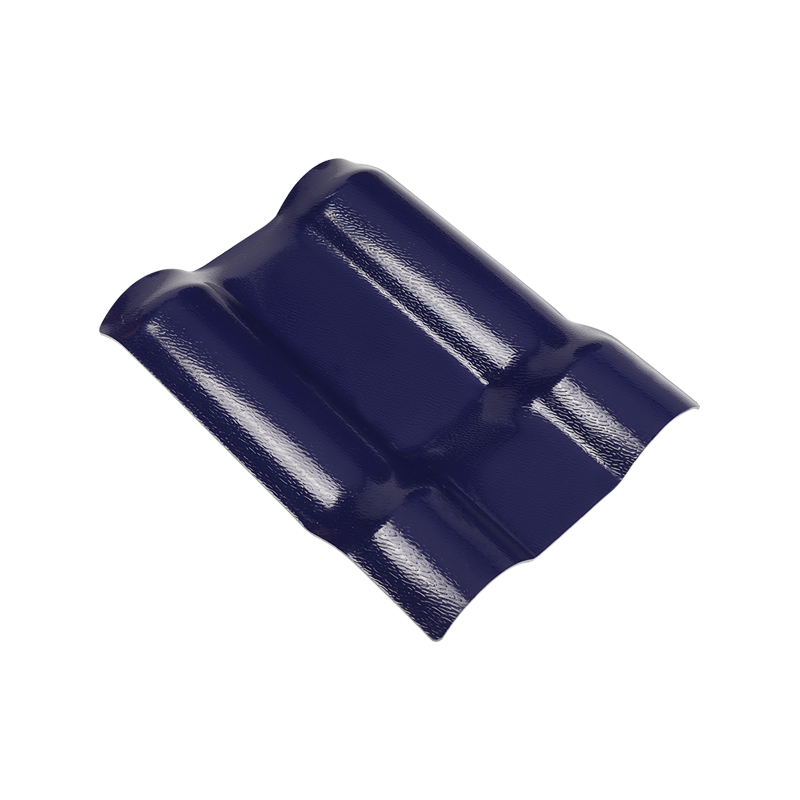
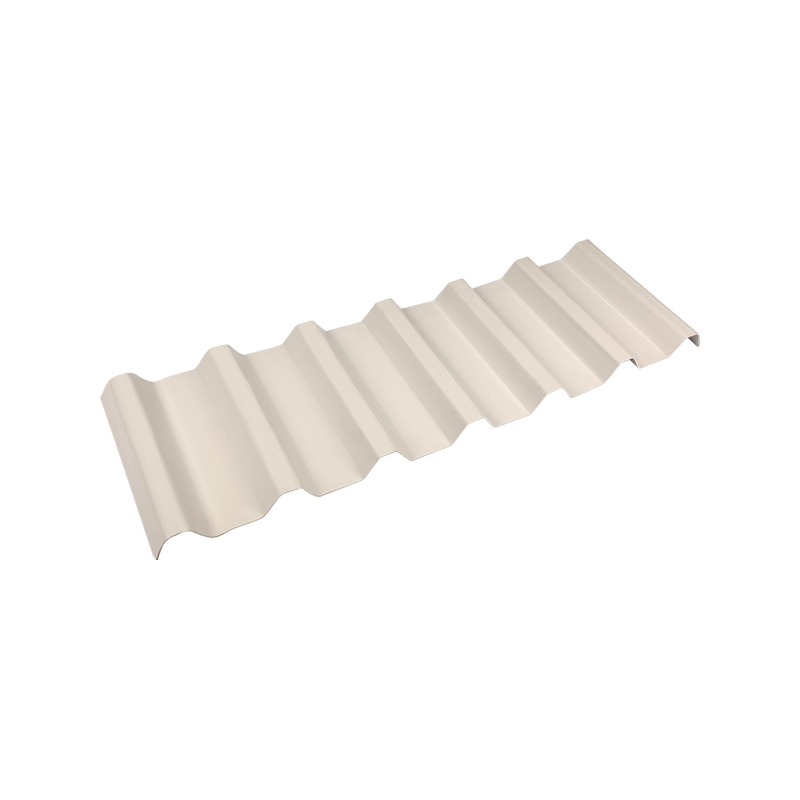
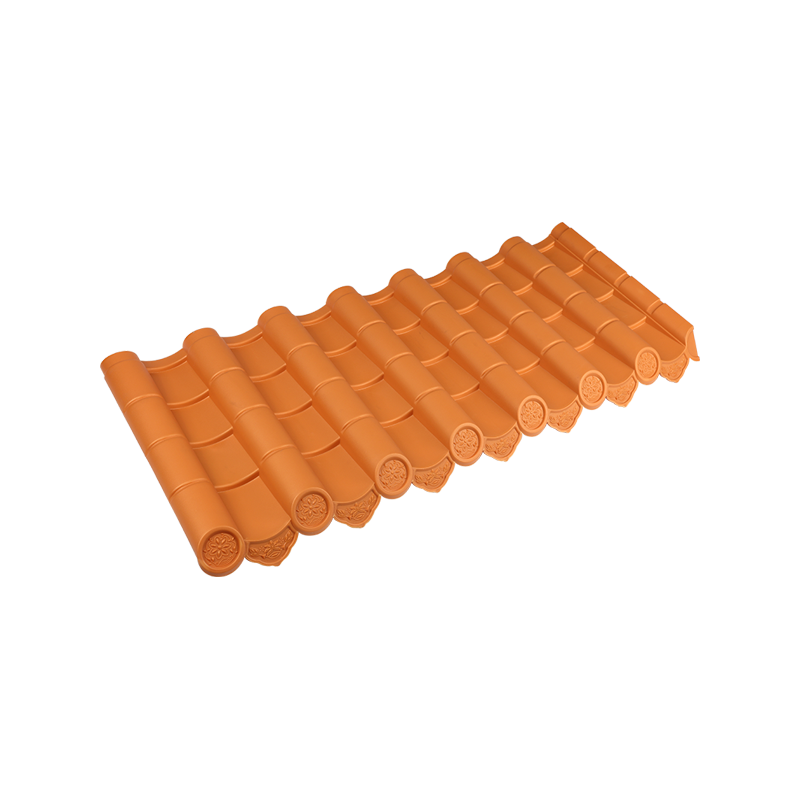
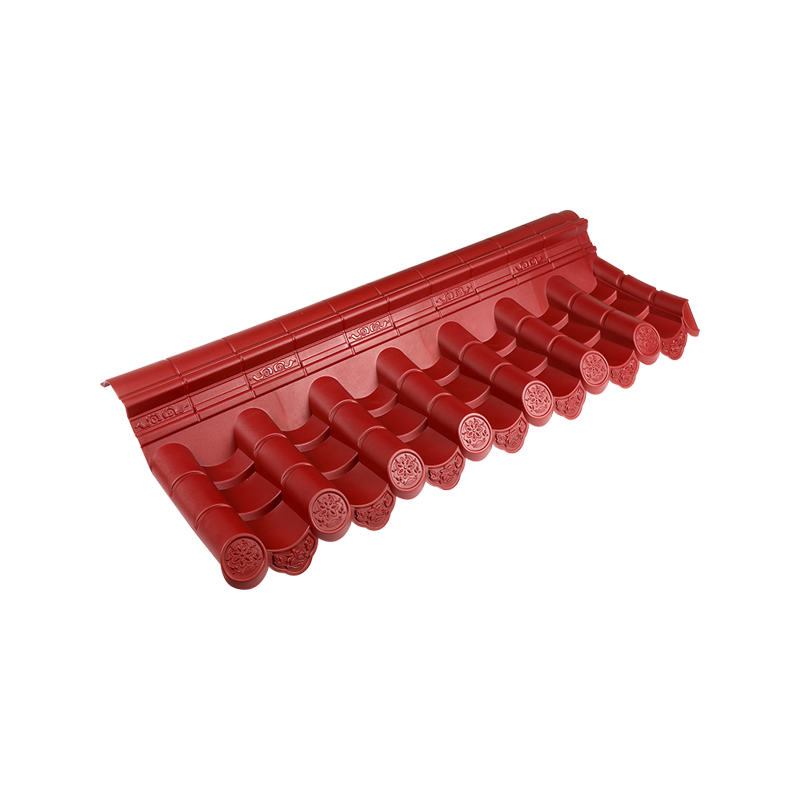
- Tile shapes: Produces several popular profiles, including the classic wavy Roman style that brings a traditional feel, sleek flat tiles for a clean modern appearance, and sturdy interlocking designs that combine good looks with excellent water-shedding performance.
- Texture and finish: The surface options are especially versatile. You can choose smooth and glossy finishes, soft matte surfaces, or highly realistic textured looks that closely imitate natural clay, slate, or even wood grain. This allows the tiles to look convincingly traditional while still offering all the advantages of modern synthetic materials.
- Color variety: Offers a broad range of colors — from warm terracotta reds and rich earthy browns to contemporary cool grays, deep blacks, and several other shades. There are even options for custom colors, making it simple to perfectly match the roof with the building's walls, trim, or surrounding environment.
- Customization options: For unique or high-end projects, It can create made-to-order tiles with special shapes, custom colors, or particular surface textures to meet exact architectural specifications.
Because of this thoughtful design range, ASA resin tiles blend seamlessly with many different architectural styles. They look right at home on traditional Chinese heritage buildings, elegant European-style villas, sleek minimalist modern homes, mountain resorts, and large commercial developments. Whether the project calls for a timeless classic appearance or a bold contemporary statement, these tiles give designers real creative freedom without having to sacrifice durability or long-term performance.
Are ASA Resin Tiles Durable and Long-Lasting?
Durability is a critical factor for roofing materials. ASA resin tiles are engineered for long-term performance with minimal maintenance.
- Impact resistance: The polymer structure absorbs shocks, reducing breakage from hail or debris.
- Temperature stability: Tiles expand and contract minimally under fluctuating temperatures.
- Corrosion resistance: Unlike metal roofing, ASA resin does not rust or corrode.
- Maintenance ease: Smooth surfaces prevent moss or algae accumulation, requiring less frequent cleaning.
| Feature | Benefits | Comparison to Traditional Tiles |
|---|---|---|
| Impact resistance | Less breakage | Concrete tiles may crack under stress |
| UV resistance | Color and strength retention | Clay tiles may fade over time |
| Lightweight | Easier installation | Ceramic tiles are heavier and harder to handle |
| Low maintenance | Reduced cleaning | Slate tiles need regular upkeep |
These attributes ensure the tiles remain functional and visually appealing over many years, making them a cost-effective solution in the long run.
How Do ASA Resin Tiles Perform in Extreme Climates?
One of the biggest advantages of ASA resin tiles is how well they handle extreme weather conditions. They are specifically engineered to stay strong and reliable even when the climate throws everything at them — from scorching heat to heavy rain, snow, and strong winds.
High heat: The advanced polymers used in ASA resin tiles are highly resistant to intense sunlight. They don't warp, soften, or fade easily, even after years of direct exposure to strong UV rays and high temperatures.
- Heavy rain and snow: The tiles feature a tight interlocking design that creates an excellent seal against water. This helps prevent leaks during heavy downpours or when snow melts, keeping the building interior dry and protected.
- Wind resistance: Although they are lightweight, the tiles are surprisingly strong and secure once properly installed. They stay firmly in place even during powerful storms and high winds, reducing the risk of tiles being lifted or damaged.
- Humidity tolerance: In damp or tropical environments, ASA resin tiles resist mold, mildew, and moisture-related damage far better than many traditional materials, making them especially suitable for humid climates.
Because they perform reliably across such a wide range of conditions, ASA resin tiles are a practical choice for both tropical regions with intense heat and rain, as well as temperate zones that experience cold winters, snow, and temperature swings. This strong climate adaptability is one of the main reasons they are gaining popularity in so many different parts of the world.
Are ASA Resin Tiles Eco-Friendly and Energy-Efficient?
Yes, ASA resin tiles are widely seen as one of the more eco-friendly and energy-efficient roofing options on the market right now. They appeal to a lot of builders and homeowners who want a strong, attractive roof without ignoring the environment.
- Recyclable materials: Many of ASA resin tile formulations include recycled polymers. At the end of their long service life, the tiles themselves can also be recycled instead of simply ending up in a landfill.
- Energy efficiency: These tiles have excellent solar reflective qualities. They bounce back a large portion of sunlight, which keeps the roof surface noticeably cooler during hot weather. This reduces heat buildup inside the house or building, lowers indoor temperatures, and can significantly cut down on the energy needed for air conditioning — saving both electricity and money over the years.
- Longevity: ASA resin tiles are built to last. They resist fading, cracking, warping, and weathering extremely well, so they don't need to be replaced nearly as often as many traditional roofing materials. The longer lifespan means less waste, fewer resources used for new production, and a smaller overall environmental footprint.
- Reduced production and transportation footprint: Because the tiles are much lighter than clay or concrete alternatives, they require less fuel and energy to ship from the factory to the job site. Their lighter weight also puts less strain on the building structure itself during installation and over the life of the roof.
All of these advantages add up to a roofing material that delivers real performance while being kinder to the planet. For people who care about sustainability, ASA resin tiles offer a practical way to have a durable, beautiful roof that also supports long-term environmental goals without forcing big compromises on quality or appearance.
How Do Chuanya's ASA Resin Tiles Compare with Other Roofing Materials?
Understanding comparative performance helps in selecting the right roofing solution. ASA resin tiles compete with clay, concrete, metal, and slate tiles on multiple fronts.
| Material | Weight | Durability | Maintenance | Weather Resistance | Cost Efficiency |
|---|---|---|---|---|---|
| ASA Resin | Lightweight | High | Low | High | Moderate |
| Clay | Heavy | Medium | Medium | Medium | Moderate |
| Concrete | Heavy | High | Medium | High | Moderate |
| Metal | Medium | Medium | Low | Medium | Moderate |
| Slate | Heavy | High | High | High | High |
The table illustrates how ASA resin tiles balance durability, weight, and maintenance, offering practical advantages for various construction scenarios.
What Applications Are ASA Resin Tiles Most Suitable For?
One of the biggest strengths of ASA resin tiles is how versatile they are. They can be used in a wide variety of projects, making them a practical and popular choice for many different types of buildings and structures.
- Residential roofing: These tiles are ideal for all kinds of homes. Whether it's a traditional Chinese courtyard house, a classic European-style villa, a sleek modern residence, or a cozy suburban home, ASA resin tiles can complement the architectural style beautifully thanks to their variety of shapes, textures, and colors.
- Commercial projects: ASA resin tiles perform very well on larger buildings such as office complexes, shopping malls, hotels, schools, hospitals, and warehouses. Their durability, low maintenance, and attractive appearance make them a smart option for commercial developments that need both function and good looks.
- Outdoor structures: They are frequently used for garden pavilions, gazebos, carports, recreational shelters, and leisure areas. The tiles hold up well in exposed outdoor environments while still providing an elegant finish.
- Restoration and renovation: ASA resin tiles are especially useful when updating or restoring older buildings. They can often be installed over existing roof structures with relatively little heavy reconstruction, giving the building a fresh, modern look and improved performance without major disruption or added structural load.
Thanks to this wide range of suitable applications, ASA resin tiles are not restricted to just one type of project or market. They work equally well for small private homes and large commercial developments, which greatly broadens their appeal and demand across both residential and commercial sectors.
How Are Manufacturers Ensuring Quality and Global Market Acceptance?
Consistent quality is essential for international success. Chuanya and other Chinese ASA resin tile manufacturers employ multiple strategies:
- Standardized production processes: Ensuring uniformity in shape, color, and strength.
- Rigorous quality testing: Simulating real-world conditions to verify performance.
- Certification and compliance: Meeting regional and international building standards.
- After-sales support: Providing guidance on installation and maintenance.
| Quality Strategy | Purpose | Outcome |
|---|---|---|
| Standardization | Reduce product variation | Consistent performance |
| Testing | Validate durability | Fewer defects |
| Certification | Ensure market compliance | Smooth market entry |
| Customer support | Aid usage and installation | Higher satisfaction |
These measures help manufacturers establish trust in new markets, enhancing acceptance and adoption.
What Innovations Are Emerging in ASA Resin Tile Production?
The roofing industry is constantly evolving, and manufacturers like Chuanya are actively developing new innovations to make ASA resin tiles even better in terms of performance, appearance, and sustainability.
- Enhanced polymer formulations: Companies are improving the base polymer blends to create tiles with higher impact resistance and even stronger protection against UV radiation. This means the tiles can better withstand hail, strong winds, and years of intense sunlight without cracking or fading.
- Advanced interlocking designs: Newer generations of tiles feature more sophisticated interlocking systems. These improvements provide tighter seals that offer superior resistance to wind uplift and water penetration, making the roof even more secure and leak-resistant during extreme weather.
- Aesthetic improvements: Manufacturers are getting better at making ASA resin tiles look remarkably close to natural materials. The latest designs can closely mimic the texture and appearance of traditional clay tiles, natural wood shakes, or elegant slate, giving homeowners and architects the classic look they love with the modern benefits of synthetic materials.
- Sustainable manufacturing methods: There is a strong push toward greener production processes. This includes reducing energy and water consumption in factories, using more recycled content in the materials, and developing cleaner manufacturing techniques that lower the overall environmental footprint of the tiles.
These ongoing innovations are helping ASA resin tiles become stronger, more beautiful, longer-lasting, and more environmentally responsible. As a result, they continue to gain popularity as a smart, future-oriented roofing solution for both residential and commercial projects.

 Email:
 Phone:
 Adress: