



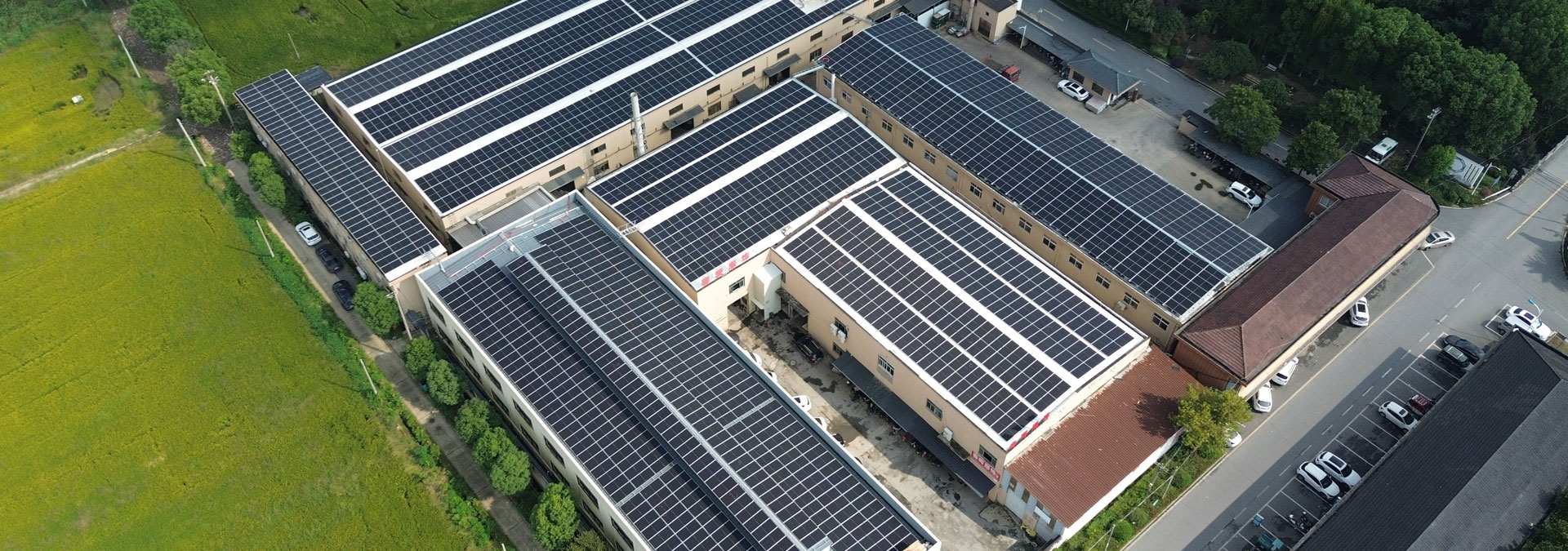
What Role Do Roof Tiles Play in Factory Buildings?
A factory's roof is far more than just a covering—it plays a key role in defining the interior working conditions, directly impacting thermal comfort, daylight quality, sound levels, ongoing maintenance needs, and the long-term cost of running the facility.
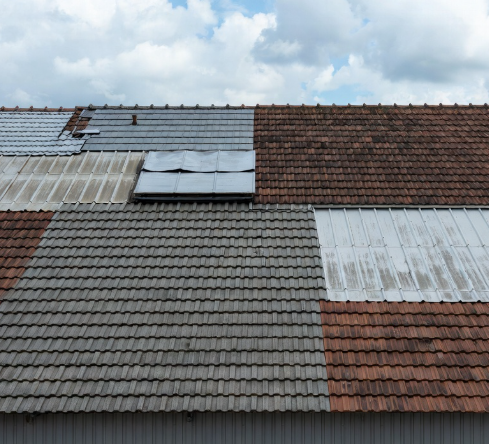
Factory Building Roof Tiles form the outermost line of defense, constantly battling harsh sunlight, strong winds, torrential rain, airborne industrial dust, chemical vapors, and sometimes extreme temperature swings typical of manufacturing environments. These exposures are usually more intense and prolonged than on standard commercial or residential structures. Factories also tend to have vast, column-free roof areas supported by relatively light structural frameworks, so the tiles must deliver reliable, wide-span coverage while adding as little extra weight as possible to the building's load-bearing system.
Choosing the right roof tiles has a direct, practical effect on everyday operations. A high-performing tile system helps stabilize indoor temperatures → curbing excessive summer heat buildup, preventing unwanted moisture or condensation issues, and protecting sensitive production equipment, electronics, and raw materials from damaging heat cycles or humidity fluctuations. Even incremental improvements in insulation value, reflectivity, or weather resistance can yield real-world benefits: reduced energy spending on heating and cooling, fewer weather-related equipment failures, steadier production output, and noticeably better comfort for employees working long shifts.
At the same time, roof tiles increasingly shape the factory's external presence and corporate identity. Industrial buildings are no longer seen as purely utilitarian boxes. Many companies now view the roofline as an opportunity to project professionalism, modernity, sustainability, or brand strength—whether through clean geometric lines, subtle color choices, or a deliberately contemporary profile that stands out from older, dated facilities nearby.
Roof tiles in factory settings serve multiple essential purposes: they shield the entire operation from environmental stresses, help regulate the internal atmosphere for smoother workflows and employee well-being, control lifetime maintenance and utility expenses, and contribute meaningfully to the building's visual and brand impression in an increasingly image-conscious industrial landscape.
What Types of Roof Tiles Are Commonly Used in Factory Buildings?
Different factory designs call for different roofing solutions. Some materials are chosen for speed of installation. Others are selected for durability or insulation.
1.Metal Roof Tiles
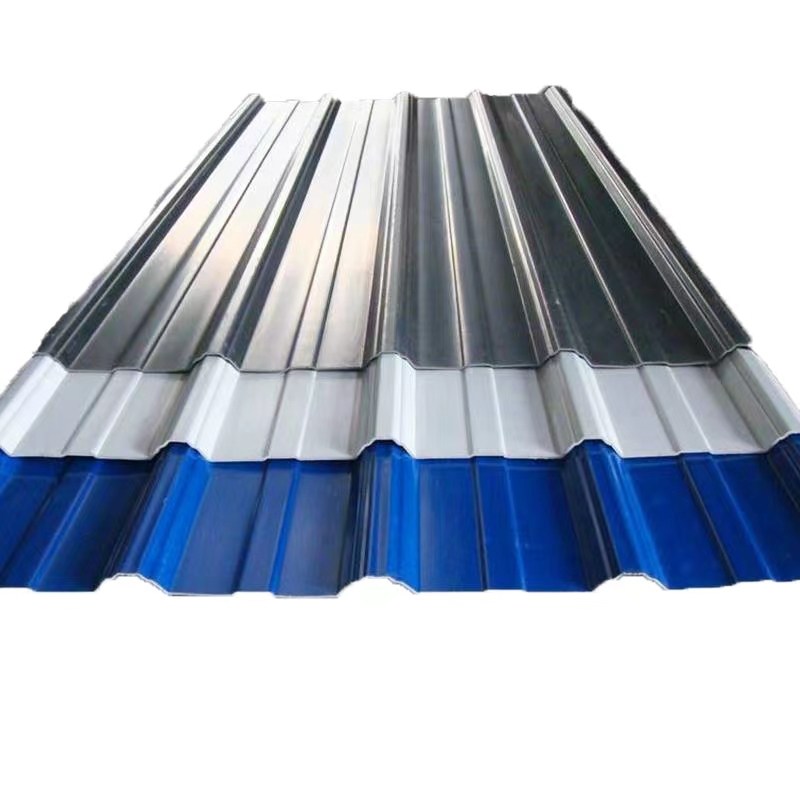
Metal tiles are widely used in industrial buildings. They are lightweight and easy to install. Large panels can cover wide areas quickly. This reduces construction time.
They also adapt well to different roof shapes. Whether the design is flat or sloped, metal tiles can be adjusted to fit. Their surface often reflects sunlight, which helps reduce heat buildup.
2.Composite Roof Tiles
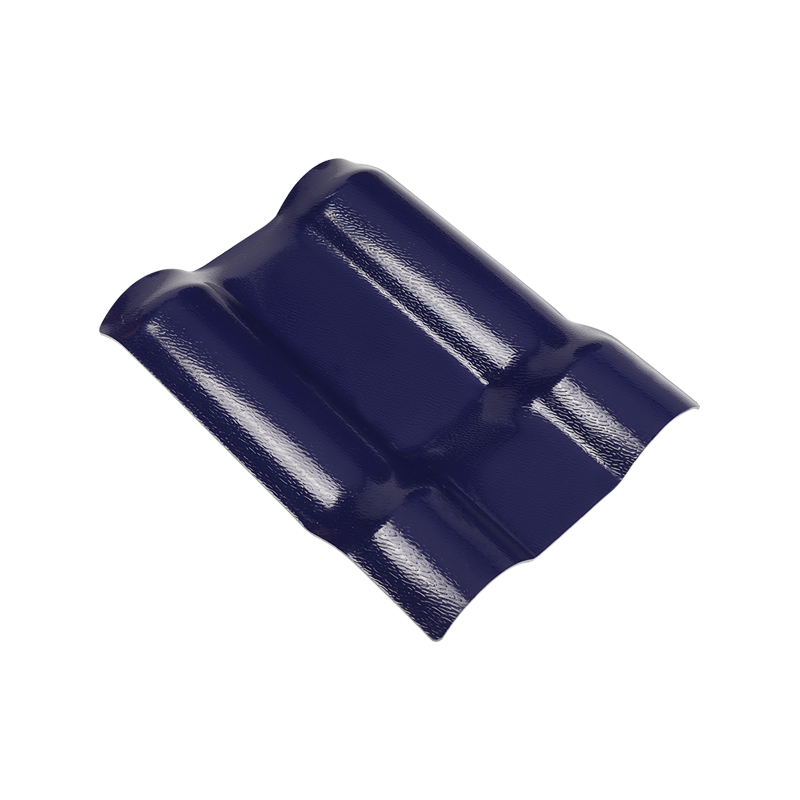
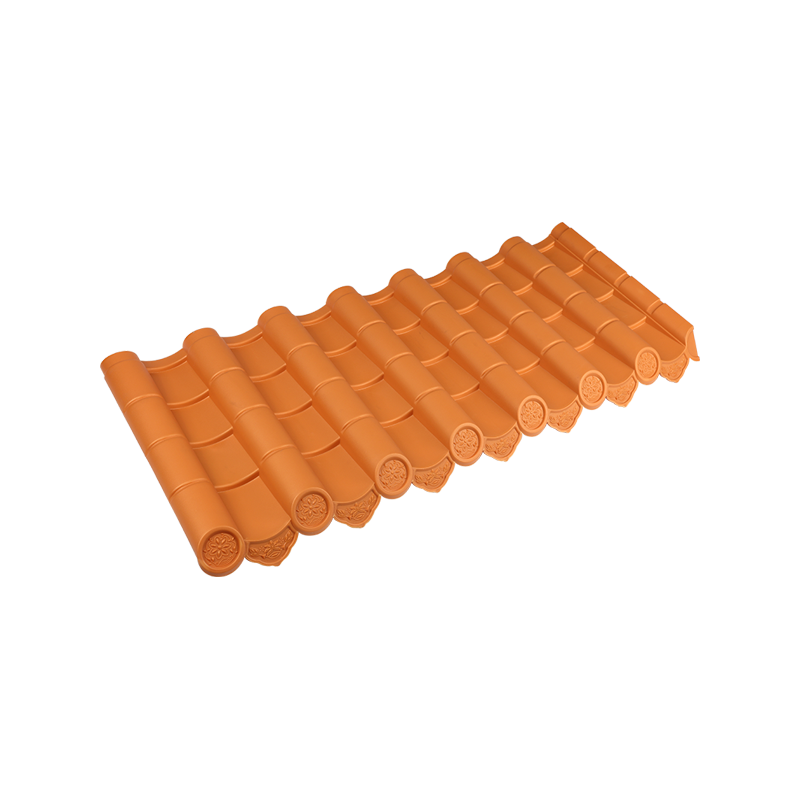
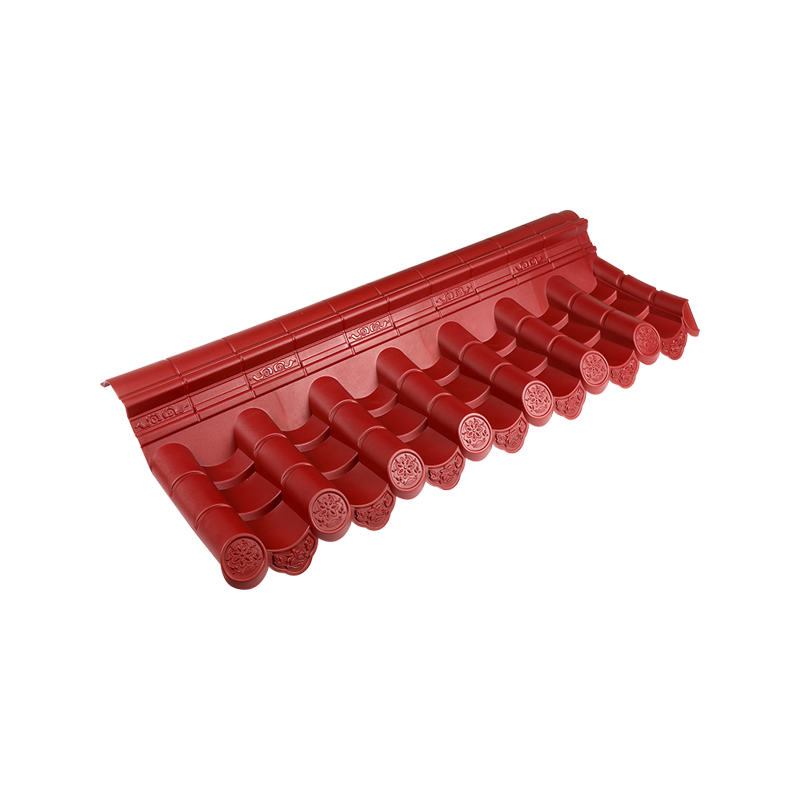
Composite tiles combine several materials into one structure. They aim to balance strength and flexibility. These tiles can mimic traditional styles while remaining easier to handle.
In factory settings, composite tiles are often used when both performance and appearance matter. They provide a stable surface and can handle changes in temperature without visible damage.
3.Membrane Roofing Systems
Membrane roofing is common on flat or low-slope factory roofs. It uses large sheets that cover the surface in continuous layers.
This approach reduces the number of joints. Fewer seams mean fewer chances for water to enter. Installation is usually fast, especially on large buildings.
4.Corrugated Panels
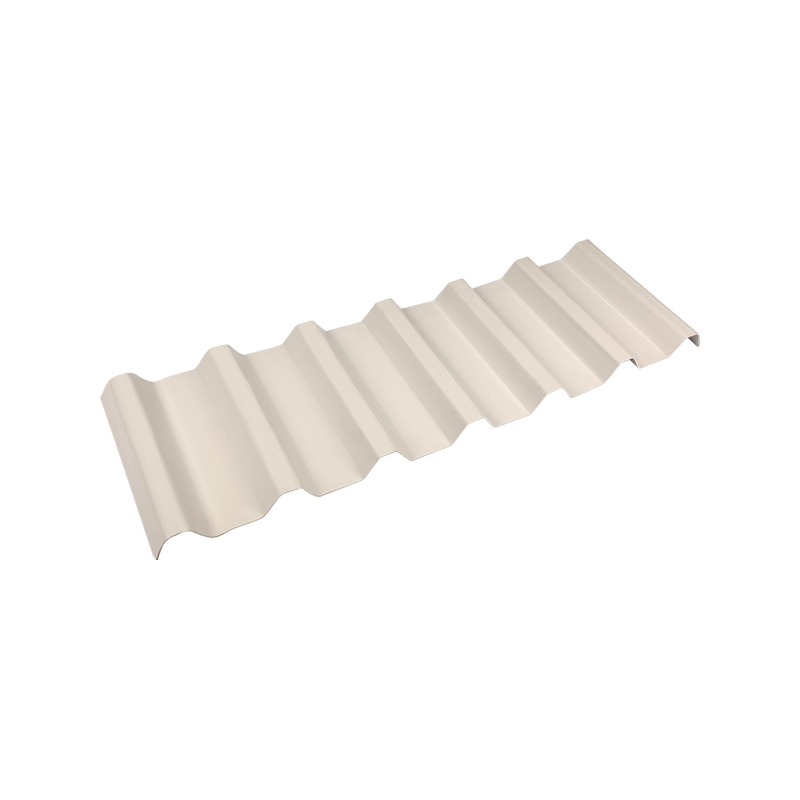
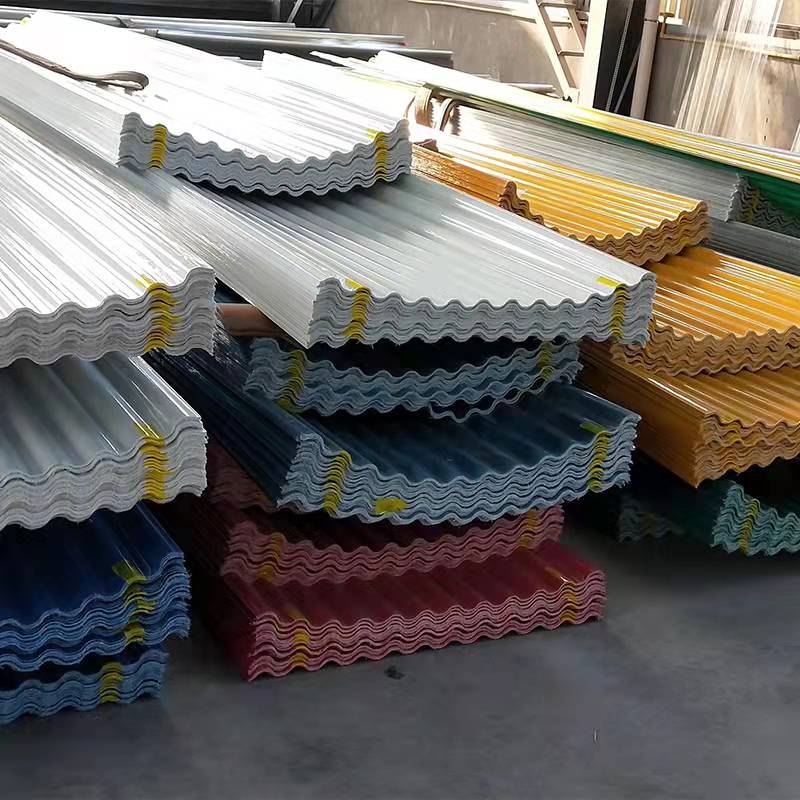
Corrugated panels have a wave-like shape. This structure adds strength without increasing weight. They are often used in industrial settings due to their practicality.
The shape allows water to drain easily. It also improves resistance to external pressure. These panels are suitable for factories exposed to changing weather conditions.
5.Insulated Roof Panels
Insulated panels combine outer layers with a core that helps control temperature. They are designed to reduce heat transfer.
Factories that require stable indoor conditions often rely on this type. They can help maintain a consistent environment without heavy reliance on cooling systems.Each type serves a different purpose. The choice depends on how the building is used and what conditions it faces.
How Do Roofing Materials Influence Performance?
The specific roofing material you select fundamentally determines the roof's behavior, resilience, and efficiency throughout its lifespan—whether it excels at rejecting heat, blocking moisture, enduring structural stresses, or adapting to real-world conditions.
- Solar reflectance and heat management — Metal roofing materials naturally reflect a high percentage of incoming sunlight → this keeps the roof deck and underlying structure significantly cooler, cuts down on heat penetration into the building, reduces cooling energy demands, and helps prevent premature aging from constant thermal cycling.
- Balanced durability with built-in flexibility — Many composite roofing products (advanced synthetic shingles, reinforced polymer panels, or blended-material systems) combine impressive tensile strength and impact resistance with enough elasticity to handle repeated expansion and contraction from temperature fluctuations → this adaptability prevents common failure modes like cracking, curling, splitting, or joint separation that often plague more rigid traditional materials.
- Uninterrupted waterproofing integrity — Single-ply or multi-layer membrane roofing creates a fully continuous, seam-minimized surface → eliminating the multitude of potential leak paths found in overlapping or mechanically fastened systems, delivering exceptional long-term resistance to water intrusion even on low-slope roofs or in areas prone to ponding or heavy rainfall.
- Integrated thermal resistance — Insulated roofing panels or systems that sandwich high-performance insulation between tough outer layers dramatically slow conductive heat flow → keeping interiors cooler in hot weather and warmer in cold weather, improving overall building energy efficiency, and adding an extra shield against temperature-driven expansion/contraction stresses on the roof assembly.
No single material is "best" for every situation—but each type brings targeted strengths: superior heat rejection for cooling-dominated climates, flexible resilience for regions with big temperature swings, seamless waterproofing for flat or low-pitch roofs, or built-in insulation for maximum energy savings. Matching the material's inherent performance traits to the building's location, use, roof pitch, and structural design is what turns a good roof into one that reliably protects the structure, saves energy, reduces maintenance headaches, and delivers consistent indoor comfort for decades.
How Does Climate Affect the Choice of Roof Tiles?
Local weather patterns rank among the top priorities when selecting roof tiles for factory buildings—every climate zone imposes specific stresses that affect how long the roof lasts, how much energy the facility uses, the quality of the indoor workspace, and the total cost of ownership over time.
- Extreme heat and prolonged sunshine — In hot, dry, or intensely sunny locations, the focus shifts to minimizing solar heat gain. Tiles featuring superior reflectivity—through bright white surfaces, specialized cool-roof coatings, metallic sheen, or naturally pale tones—reflect away a large share of incoming solar energy → this keeps roof temperatures much lower, limits heat bleeding into the building's interior, reduces strain on HVAC systems, creates more tolerable conditions for employees across expansive production floors, and delivers meaningful savings on cooling expenses during peak summer periods.
- Frequent or heavy rainfall — Areas prone to torrential rains, extended wet seasons, or high yearly precipitation demand uncompromising water-shedding ability. Large-format tiles, deep-overlap interlocking edges, or systems equipped with high-performance gaskets and seals drastically cut the number of potential leak points. When paired with adequate roof slope, these designs ensure rapid water shedding → preventing ponding, prolonged standing water, hidden moisture intrusion, and the resulting risks to structural elements, machinery, stored goods, or uninterrupted manufacturing operations.
- Severe cold and repeated freeze-thaw cycles — In colder regions marked by sharp temperature drops, heavy snow, or frequent crossings above and below freezing, tiles must resist cracking under thermal movement. Brittle or overly stiff materials often develop fine fractures, surface spalling, or failed joints after years of expansion-contraction stress; more pliable, elastic, or composite-based tiles absorb and accommodate these shifts far more effectively → safeguarding weather resistance, load-bearing capacity, and overall roof stability through harsh winters involving ice buildup, snow weight, or sub-freezing temperatures.
- Strong winds and exposed locations — Industrial sites in open terrain, coastal zones, windy plains, or storm-vulnerable regions require tiles specifically designed to resist aerodynamic lift and shear forces. Robust anchoring solutions—such as concealed mechanical clips, positive-locking tabs, reinforced edge fastening, or wind-rated fastening schedules and underlayment—hold the system securely in place even during sustained high winds → averting tile uplift, detachment, progressive blow-off, or widespread damage that could halt production or endanger the building envelope.
Factory roofs, with their characteristically broad, low-slope, minimally interrupted surfaces, leave little margin for error: a poor climate match can speed up wear, drive up energy and repair budgets, trigger costly downtime from water ingress or excessive heat, and dramatically reduce the roof's expected service life. By deliberately matching tile attributes—high solar reflectance for heat rejection, minimal-seam or tightly sealed designs for rain protection, thermal flexibility for cold-weather durability, and high-security fastening for wind resistance—to the prevailing conditions at the site, owners and specifiers create a roof that withstands its environment while actively enhancing operational reliability, energy performance, employee well-being, and long-term financial efficiency.
What Should Be Considered When Selecting Roof Tiles for a Factory?
Choosing roof tiles involves more than appearance. Several practical factors come into play.
1. Building Structure
The roof design and load capacity influence material choice. Lightweight tiles reduce stress on the structure. This is especially important for large-span buildings.
2. Installation Efficiency
Fast installation reduces downtime. Materials that come in large panels or modular forms can speed up the process. This is useful for projects with tight schedules.
3. Maintenance Needs
Some materials require more frequent inspection. Others maintain their condition with minimal care. Factories often prefer low-maintenance solutions.
4. Environmental Conditions
Exposure to sunlight, moisture, and wind should guide the decision. The selected material should match the local climate.
5. Energy Considerations
Roof tiles influence heat transfer. Insulated or reflective materials can improve energy efficiency. This becomes important in large facilities where temperature control affects operations.
6. Visual Appearance
While function is key, appearance still matters. The roof contributes to the overall look of the building. Some materials offer more design flexibility than others.
These factors work together. A balanced approach leads to a more suitable roofing solution.
How Do Installation Methods Affect Roofing Results?
Installation plays a major role in performance. Even high-quality materials can fail if installed incorrectly.
Modular systems simplify the process. Panels fit together in a consistent pattern. This reduces the chance of gaps or uneven surfaces.
Membrane systems rely on careful sealing. A smooth, continuous layer ensures proper waterproofing.
Corrugated panels require alignment. Their shape must follow a consistent direction to guide water flow.
Insulated panels need proper connection between layers. This maintains their thermal performance.
Installation speed also affects project timelines. Faster systems reduce labor time and minimize disruption.
Proper installation supports long-term reliability. It ensures the roof performs as expected under daily use.
How Do Different Roof Tile Options Compare?
Below is a simple comparison of common factory roofing options:
| Type | Installation Ease | Weight | Maintenance | Suitable Use |
|---|---|---|---|---|
| Metal Tiles | Easy | Light | Low | Large industrial roofs |
| Composite Tiles | Moderate | Medium | Moderate | Mixed-use factories |
| Membrane Systems | Easy | Light | Low | Flat roofs |
| Corrugated Panels | Easy | Light | Low | General industrial use |
| Insulated Panels | Moderate | Medium | Low | Temperature-controlled spaces |
This table offers a general overview. Actual performance depends on installation quality and environmental conditions.
What Trends Are Shaping Factory Roof Tile Choices?
The way a roofing system is installed has a major impact on its overall performance and longevity. Even the best materials available can underperform or fail prematurely if the installation is done incorrectly.
Modular roofing systems make the process more straightforward by design. Their panels connect in a uniform, repeating pattern, which helps minimize errors like gaps, misalignments, or uneven surfaces.
Membrane roofing systems depend heavily on precise sealing and adhesion. Achieving a smooth, uninterrupted surface is essential to create reliable waterproofing across the entire roof.
Corrugated panels demand careful attention to alignment and orientation. The panels must be laid consistently in the correct direction so that water is properly channeled and directed off the roof.
Insulated (composite) panels require secure, accurate connections between their core and facing layers. Any compromise in these joints can reduce the system's thermal efficiency and insulation effectiveness.
Installation speed is another practical factor. Systems that go together quickly can shorten the overall project timeline, lower labor costs, and cause less disruption to the building occupants or surrounding area.Correct installation is what delivers long-term dependability. When done properly, it allows the roof to perform consistently and withstand everyday weather exposure as intended.

 Email:
 Phone:
 Adress: