



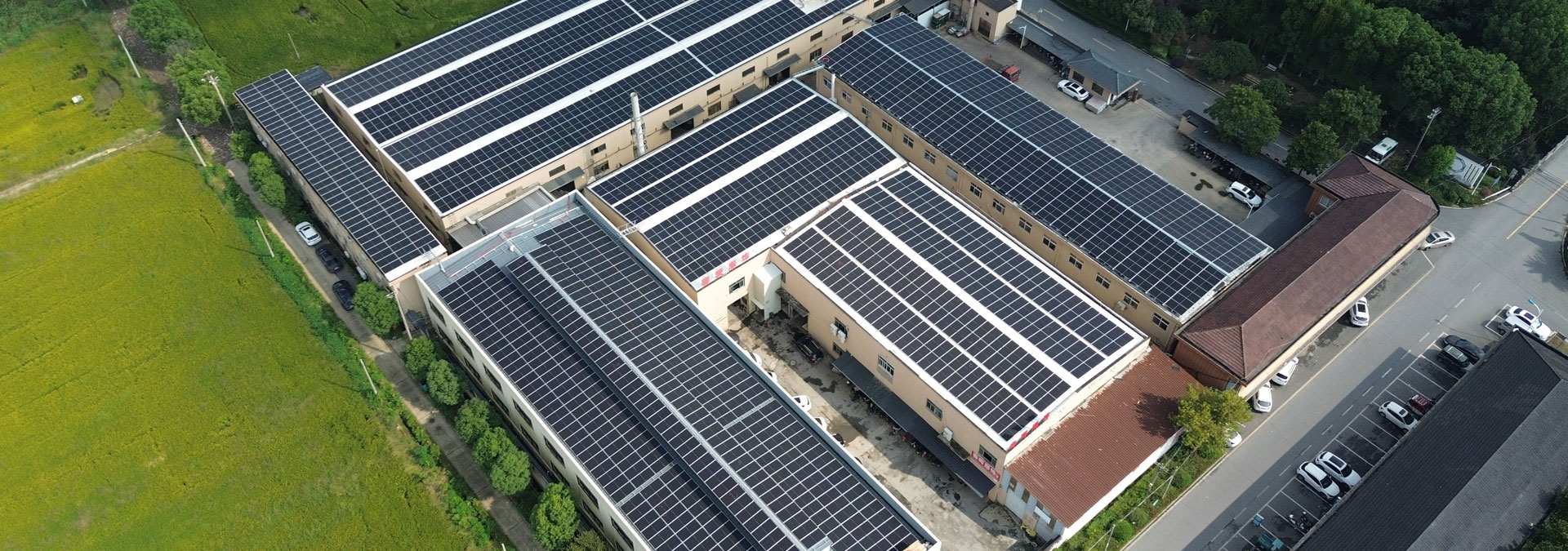
Roofs are an essential component of any building, and the choice of roofing materials directly affects the durability, safety, comfort, and maintenance costs of the structure. Among various roofing options, Chinese roof tiles have long been used in traditional architecture due to their unique materials and craftsmanship, and they are increasingly being incorporated into modern architectural designs. This article provides a comprehensive analysis of the durability and functionality of roof tiles, focusing on aspects such as waterproofing, fire resistance, thermal insulation, soundproofing, and lifespan, offering valuable insights for industry professionals.
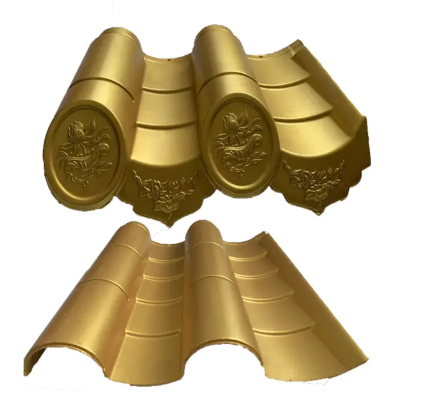
Materials and Classification of Chinese Roof Tiles
Roof tiles are primarily made from natural clay, which is fired at high temperatures to form hard, durable tiles. Depending on the surface treatment and firing techniques, roof tiles can be categorized into the following types:
1.Traditional Clay Tiles
Made from natural clay, molded and fired at high temperatures.
Offer good hardness and weather resistance, with natural coloration suitable for traditional architectural styles.
2.Ceramic Glazed Tiles
Based on clay tiles, with an additional glaze applied and fired to create a smooth, dense surface.
Provide higher waterproofing and corrosion resistance while enhancing aesthetic appeal.
3.Modern Improved Tiles
Combine clay or ceramic with modern composite materials to reduce weight and improve installation efficiency.
Retain the traditional aesthetic while adapting to contemporary building structures.
The material and manufacturing process form the foundation for the durability and functionality of roof tiles, and different types of tiles exhibit varying performance characteristics.
Durability Analysis of Chinese Roof Tiles
1. Lifespan and Longevity
Roof tiles, made from natural clay and ceramic materials, are renowned for their exceptional durability. High-quality clay tiles, when properly installed and laid according to standard practices, typically have a service life exceeding fifty years. Ceramic tiles with a glazed surface, due to their higher surface density, often last even longer.
The durability of roof tiles can be observed in several key aspects:
- High Chemical Stability: Clay and ceramic are natural inorganic materials with highly stable chemical properties. In natural environments, they rarely undergo chemical reactions, unlike some metals or synthetic materials that may corrode under acid rain, air pollutants, or chemical agents. This means that even after long-term exposure to humid or industrial environments, roof tiles maintain their original performance and appearance.
- Strong Weather Resistance: Fired at high temperatures, Chinese tiles form a dense ceramic structure with a smooth and hard surface, which effectively resists long-term impacts from rainfall, wind-borne sand, and ultraviolet radiation. This physical structure not only delays surface aging but also reduces the likelihood of cracking or wear.
- Mechanical Impact Resistance: Chinese tiles are highly durable and resistant to minor impacts or falling debris in natural environments. This ability to withstand mechanical stress reduces maintenance and replacement costs for long-term roofing systems, ensuring the overall structural stability of the building.
- Enhanced Wind Resistance: The inherent weight of clay and ceramic tiles also contributes to increased wind resistance, preventing tiles from being easily displaced or lifted during strong winds, further extending their lifespan.
2. Weather Adaptability
Another significant advantage of roof tiles is their high adaptability to varying climate conditions. Whether in humid, rainy environments or areas with large temperature fluctuations and strong winds, these tiles maintain stable performance. Key aspects include:
- Waterproofing and Moisture Resistance: Glazed ceramic tiles have a smooth, dense surface that effectively prevents water from penetrating the tile body, even during continuous rainfall or prolonged humid conditions. While clay tiles have slightly higher porosity, their post-firing water absorption rate remains low. Combined with overlapping installation and proper drainage design, the overall roof ensures excellent water runoff, preventing leakage and standing water.
- Mold and Bacteria Resistance: The dense, dry surface of the tiles makes it difficult for mold, algae, and moss to attach and grow, avoiding slippery or corroded roof surfaces caused by moisture accumulation.
- Thermal Expansion and Contraction Resistance: Clay and ceramic tiles demonstrate strong stability under temperature variations. They do not deform significantly due to thermal expansion or contraction in hot summers or cold winters, which is particularly important in regions with large temperature differences, ensuring long-term structural stability of the roof.
- Resistance to Wind and Rain Erosion: The thick and tightly installed tiles, combined with their overlapping structure, effectively guide rainwater off the roof while enhancing overall wind resistance, reducing potential damage to the roofing structure from severe weather.
Functionality of Chinese Roof Tiles
Roof tiles are not only durable but also demonstrate excellent performance in waterproofing, fire resistance, thermal insulation, and soundproofing. Their functional advantages make them suitable for a wide range of architectural applications.
Waterproof Performance
Waterproofing is one of the most fundamental and critical functions of roofing materials, essential for protecting both the building structure and the interior environment. Roof tiles naturally excel in this area, with their waterproof performance stemming from the material properties, structural design, and surface treatment.
1.Low Water Absorption of the Tiles
Chinese roof tiles are primarily made from clay or ceramic materials, which are fired at high temperatures to create a dense solid structure. This process significantly reduces the tile’s porosity, lowering its water absorption rate. Low absorption means that the tiles themselves do not easily take in rainwater, and even during continuous rainfall, water does not accumulate or penetrate the tile. This not only reduces the risk of roof leakage but also prevents long-term moisture-related structural deterioration and mold growth.
2.Overlapping Installation Design
During installation, Chinese tiles are arranged in an overlapping pattern. This traditional design is not only aesthetically pleasing but also serves an important waterproof function. The overlapping tiles create channels that guide water flow, allowing rainwater to naturally run off along the slope of the roof. Even in heavy rain, this overlapping design effectively prevents water from directly seeping into the underlying roof layers, keeping the roof structure dry and secure.
Additionally, different types of tiles, such as barrel tiles or flat tiles, can create multiple drainage paths when installed, further reducing the risk of water infiltration and providing a reliable waterproof barrier.
3.Glazed Surface Protection
Glazed tiles, created by applying a glaze to clay tiles and firing them at high temperatures, feature a smooth and dense surface. Beyond enhancing aesthetics, the glaze provides significant waterproofing benefits. The smooth surface prevents water from pooling, reducing the risk of seepage into micro-cracks and inhibiting mold growth or surface weathering. Glazed tiles also have a degree of self-cleaning ability, as rainwater naturally washes away surface dust and debris, keeping the roof dry and clean.
4.Overall Roof Waterproofing
The waterproof performance of a Chinese tile roof depends not only on the water absorption rate of individual tiles and surface glaze but also on roof slope, drainage system, and construction quality. Proper slope design accelerates rainwater runoff, preventing water from stagnating between tiles. Well-designed gutters and eaves ensure smooth discharge of rainwater from the roof. Combined with low water absorption and glazed surfaces, these design measures enable Chinese tile roofs to maintain high waterproof performance under a variety of climate conditions.
Fire Resistance
Fire resistance is a critical safety indicator for roofing materials, directly impacting the safety of both the building and its occupants. Roof tiles possess natural advantages in this regard, largely due to their material, structure, and installation method.
1.Naturally Non-Combustible Materials
Roof tiles are primarily made from natural clay or ceramic, which are inorganic minerals with stable chemical properties and no flammable components. When exposed to flames or high temperatures, the tiles do not burn or release toxic gases. This natural non-combustibility makes Chinese tiles more reliable in fire safety than wood, plastic, or some composite roofing materials. Even when the roof is near high heat sources, the tiles provide a stable barrier that reduces the risk of fire spreading.
2.High-Temperature Resistance
Tiles fired at high temperatures form a dense and hard structure capable of withstanding high heat without deforming, cracking, or melting. Glazed tiles also maintain high thermal stability; their surface glaze does not easily peel under flames or heat, effectively protecting the underlying tile structure. For multi-story buildings or areas with fire risks, the high-temperature resistance of ceramic and clay tiles ensures the roof maintains its integrity during the early stages of a fire, allowing more time for evacuation and emergency response.
3.Overall Roof Fire Protection
Beyond the fire resistance of individual tiles, the installation method contributes to the roof’s overall fire safety. Chinese tiles are installed in an overlapping pattern, creating a continuous fire barrier. When flames reach the roof, the arrangement of tiles hinders the spread along tile joints, reducing the likelihood of fire propagation. Additionally, the air gaps between tiles provide partial insulation, further enhancing the overall fire resistance of the roof.
4.Maintenance and Long-Term Fire Safety
The fire resistance of Chinese tiles requires minimal maintenance and remains stable over time. Regular inspections and replacement of damaged tiles are sufficient to maintain fire safety. Unlike combustible roofing materials, Chinese tiles do not require additional coatings or fire-retardant treatments; their natural material composition provides reliable, long-lasting protection.
Thermal Insulation and Soundproofing
In addition to durability and fire resistance, roof tiles exhibit clear advantages in thermal insulation and soundproofing, making them suitable for both traditional and modern residential or public buildings.
1. Thermal Insulation
The thermal performance of Chinese tiles arises from the material properties, tile thickness, and installation structure. Clay and ceramic tiles have moderate density and inherent thermal resistance, helping to slow heat transfer.
- Summer Cooling: The combination of thick tiles and roof slope forms an air layer that blocks direct solar heat from entering the interior. Heat is buffered and dispersed between the tiles and air layer, reducing rapid indoor temperature increases and creating a more comfortable living or working environment.
- Winter Heating: The air layer and tile structure also reduce heat loss in cold seasons, keeping interiors warmer. In regions with long winters or large diurnal temperature differences, this insulation improves energy efficiency and reduces heating demands.
- Material Thermal Stability: Clay and ceramic maintain their shape under high temperatures, preventing excessive expansion or contraction and ensuring long-term thermal performance.
Overall, Chinese tiles, combined with proper installation, form a natural "roof insulation layer," providing both cooling in summer and warmth in winter.
2. Soundproofing
Chinese tiles also offer excellent noise reduction due to their density, thickness, and installation method.
- Dense Tiles Block Noise: Thick, dense tiles effectively absorb and block external noise, including wind, rain, and traffic sounds, reducing their impact indoors.
- Overlapping Installation Provides Buffering: The multi-layer structure created by overlapping tiles not only aids waterproofing but also disrupts sound transmission, enhancing acoustic performance.
- Air Layer Adds Insulation: The air gap beneath the tiles acts as a natural sound barrier, further reducing outdoor noise intrusion.
Consequently, whether in residential areas, cultural buildings, or resort facilities, Chinese tile roofs provide a quiet and comfortable indoor environment, improving overall living and working experiences.
3. Comprehensive Comfort
The combination of thermal insulation and soundproofing enhances the comfort of the building, complementing durability and fire safety. For modern architectural design, these combined properties make roof tiles an ideal roofing material that balances practicality, safety, and aesthetic appeal.
Comparison with Other Roofing Materials
In terms of durability and functionality, roof tiles demonstrate the following characteristics compared with commonly used modern roofing materials:
| Material Type | Lifespan | Fire Resistance | Waterproofing | Thermal Insulation | Maintenance Requirements |
|---|---|---|---|---|---|
| Chinese Clay/Ceramic Tiles | Long | High | High | Medium-High | Low |
| Asphalt Shingles | Medium | Medium | Medium | Medium | Medium-High |
| Metal Roofing | High | High | High | Low | Medium |
| Concrete Tiles | High | High | High | Medium | Medium |
As the table shows, roof tiles offer balanced overall performance, with particular advantages in fire resistance, waterproofing, and lifespan.
How to maintain and manage their lifespan?
| Maintenance Task | Specific Measures | Purpose & Effect |
|---|---|---|
| Regular Tile Integrity Check | Inspect roof tiles for cracks, damage, or displacement | Timely replacement of damaged tiles ensures waterproofing and extends lifespan |
| Cleaning Roof Debris | Remove leaves, dust, and accumulated water | Prevents blocked drainage, tile wear, and moisture-related issues |
| Keeping the Roof Dry | Avoid prolonged water accumulation or trapped humidity | Prevents mold, algae growth, and prolongs tile durability |
| Structural Support Inspection | Check roof supporting framework for stability | Ensures tiles are not damaged by excessive load and maintains safety |
Application Scenarios of Chinese Roof Tiles
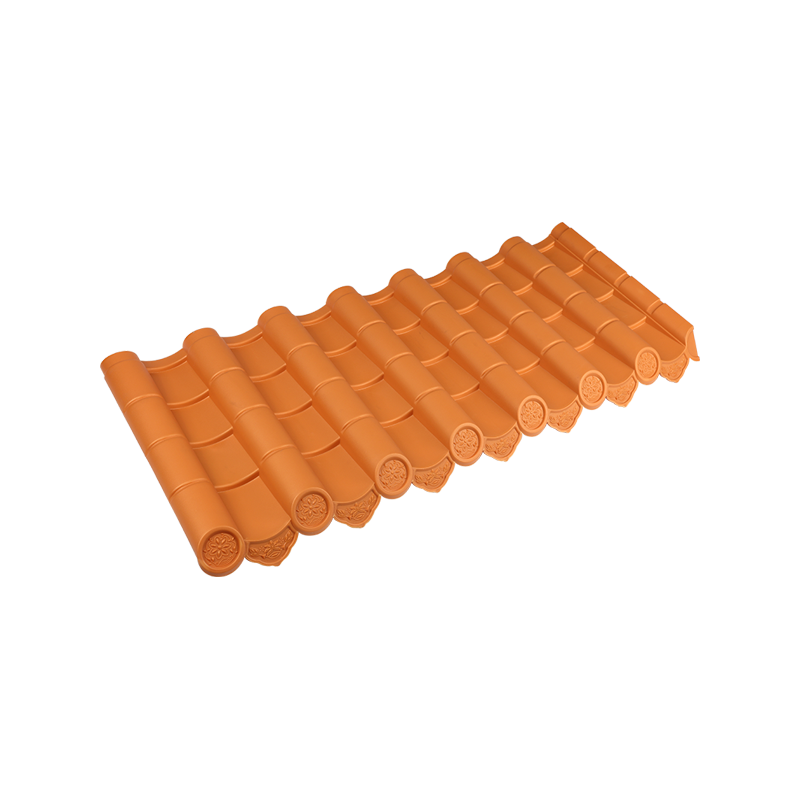
Traditional-Style Buildings: Roof tiles are ideal for historic buildings, temples, and gardens where preserving traditional aesthetics is important.
Residential and Public Buildings: With a long lifespan, good thermal insulation, and effective soundproofing, these tiles are well-suited for long-term residential and public building use.
Regions with High Rainfall or Large Temperature Variations: Their strong waterproofing and weather resistance ensure roof safety even in areas with heavy rain or significant temperature fluctuations.
Cultural Landscapes and Leisure Facilities: Durable and visually appealing, roof tiles meet both functional needs and aesthetic requirements in cultural or recreational settings.
Why choose Chuanya's Chinese Roof Tiles?
| Dimension / Consideration | Advantages / Features of Chuanya Tiles |
|---|---|
| Material & Manufacturing Quality | Chuanya tiles are made from natural clay or ceramic and undergo strict firing processes, ensuring dense structure, high hardness, and resistance to cracking or deformation. This means their physical and chemical stability is excellent under rain, wind, sunlight, and temperature changes, and they are not easily degraded or damaged by environmental factors. |
| Durability & Lifespan | When properly installed and maintained, the tiles can have a very long lifespan. Compared to many other roofing materials, this long-term stability means less maintenance, fewer replacements, and a more reliable overall roof system. |
| Functionality — Waterproof / Windproof / Weather Resistance | Chuanya Chinese roof tiles have excellent resistance to rain, humidity, high temperatures, and wind. Their dense surface and proper installation combined with roof design ensure effective drainage, water resistance, and protection, making them suitable for various climate conditions. |
| Fire Resistance & Safety | Ceramic/clay tiles are inorganic and non-combustible. Compared to flammable roofing materials, they are safer in case of fire or high temperatures, providing an important safety guarantee for residential and public buildings. |
| Thermal Insulation / Heat Resistance / Soundproofing / Comfort | The heavy natural tiles and well-constructed installation provide thermal resistance and insulation, helping reduce heat entry in summer and heat loss in winter. Combined with the air layer under the roof, they also aid in sound insulation, enhancing indoor comfort. |
| Low Maintenance & Environmental Impact | Compared to roofing materials that require frequent repairs, replacements, or anti-corrosion treatments, clay/ceramic tiles are stable and durable, requiring minimal maintenance. They are made from natural, recyclable materials, supporting sustainable and eco-friendly construction practices. |
| Aesthetics & Traditional / Cultural Compatibility | As Chinese roof tiles, they inherit traditional architectural style and aesthetics and easily integrate with Chinese or hybrid architectural designs. For projects seeking traditional charm, cultural atmosphere, historical sense, or regional style, Chuanya tiles offer both practicality and visual/cultural value. |
Chinese roof tiles, with their natural materials and unique craftsmanship, excel in durability, waterproofing, fire resistance, thermal insulation, soundproofing, lifespan, and maintenance convenience. They are ideal not only for the restoration and maintenance of traditional buildings but also add unique value to modern architecture. Proper selection, correct installation, and scientific maintenance are key to maximizing their performance. In the future, Chinese tiles will continue to play an essential role in both preserving traditional architecture and designing modern buildings, providing a stable and reliable roofing solution.

 Email:
 Phone:
 Adress: