



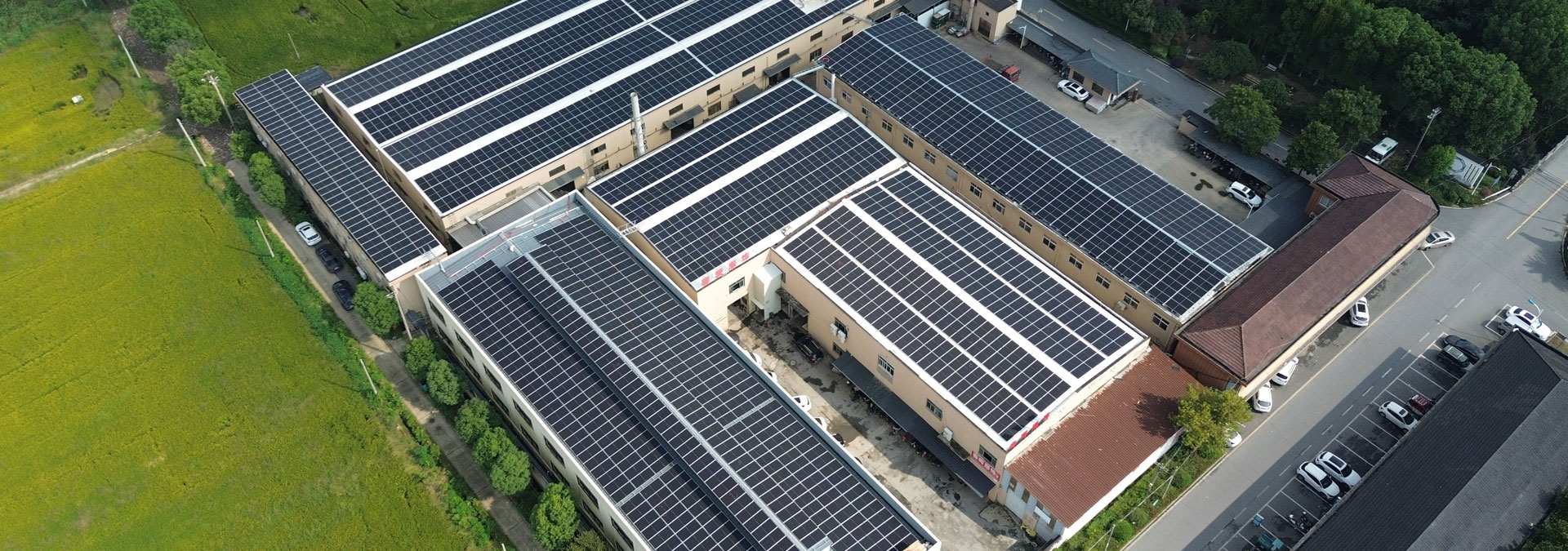
With the increasing global focus on sustainability and energy efficiency, the construction industry is paying more attention to reducing energy consumption. A significant portion of a building's energy consumption is attributed to lighting and air conditioning systems, and reducing these energy demands not only lowers operating costs but also reduces the carbon footprint. Chinese Frp Daylighting Panels, as an efficient building material, help buildings save energy costs and improve environmental quality by introducing natural light.
Introduction
Building energy consumption plays a significant role in global energy consumption, especially in commercial and industrial buildings, where lighting and air conditioning systems are typically the main sources of energy consumption. To address this issue, more and more architects, engineers, and building owners are seeking innovative materials and design solutions that can reduce energy consumption and lower operating costs.
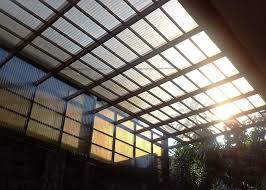
Among these, FRP skylights, as an innovative building material, play a crucial role in introducing natural light, reducing the need for artificial lighting, and improving energy efficiency. FRP skylights can fully utilize natural light, reduce the use of artificial lighting, and reduce the burden on air conditioning systems through their thermal insulation properties, thereby helping buildings significantly reduce energy consumption.
What are FRP Skylights?
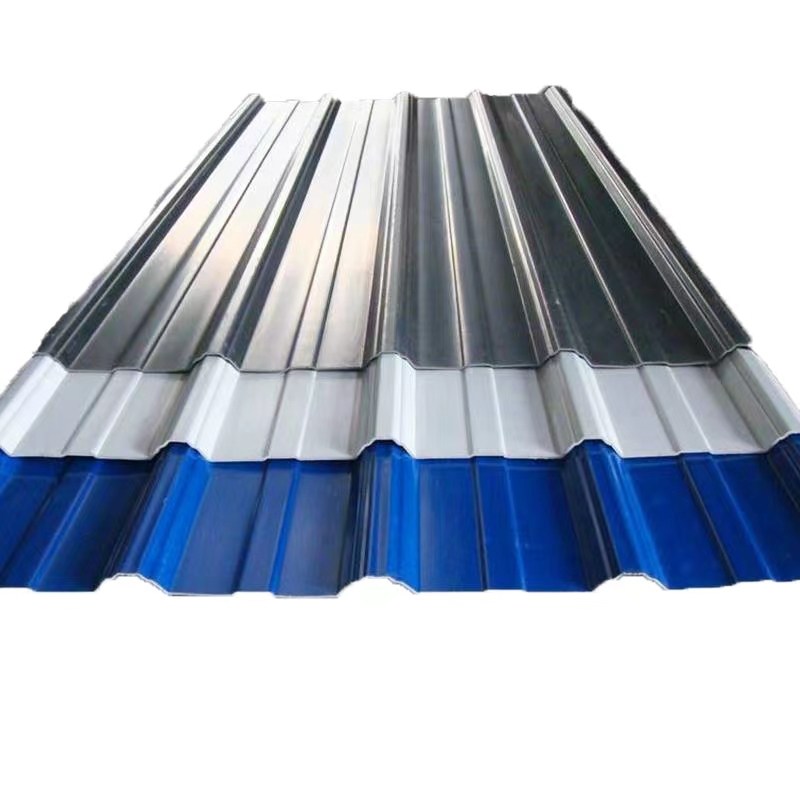
FRP skylights are a high-strength, corrosion-resistant, and durable building material made from fiberglass reinforced plastic (FRP). FRP skylights typically utilize composite material technology, combining the high strength of glass fiber with the flexibility of plastic, making them widely applicable in various types of buildings. Compared to traditional glass skylights, FRP skylights offer advantages such as lightweight, easy installation, high impact resistance, and efficient light transmission.
FRP skylight designs are usually transparent or translucent, allowing natural light to pass through the panels to illuminate the interior of the building. Furthermore, these panels have good thermal insulation properties, effectively preventing external heat from entering the interior while preventing the loss of indoor cool air, thus reducing the energy consumption of air conditioning systems.
Natural Daylighting Mechanism of FRP Panels
High Light Transmission Performance
A core advantage of FRP (Fiberglass Reinforced Plastic) daylighting panels lies in their excellent light transmission capabilities. Compared with traditional plastic sheets, FRP panels can achieve a light transmittance of over 85%. When natural light passes through an FRP panel, it undergoes sophisticated optical transformations: the light is captured and repeatedly refracted and reflected within the panel, eventually diffusing into the interior as soft, scattered light. This process is not simply light passing through; it involves precise light control to maximize the use of natural daylight.
Soft and Uniform Light Distribution
The diffused light effect produced by FRP panels fundamentally addresses glare caused by direct sunlight. In large spaces such as industrial factories or stadiums, this evenly distributed light creates a comfortable working environment and prevents visual discomfort caused by uneven brightness. Studies show that under such lighting conditions, visual fatigue among workers is significantly reduced, while productivity and job satisfaction are noticeably improved.
Energy-Saving Contribution of FRP Panels
Significant Reduction in Lighting Energy Consumption
Lighting accounts for a substantial portion of building energy consumption, especially in industrial factories and commercial facilities requiring all-day illumination. FRP panels introduce ample natural light, significantly reducing reliance on artificial lighting during daytime hours. Practical application data indicate that, when combined with proper daylighting design, buildings using FRP panels can save over 70% of daytime lighting electricity consumption.
Comparison of Light Transmission Between FRP Panels and Other Materials
| Material Type | Light Transmittance Range | Light Characteristics | Lighting Energy-Saving Potential |
|---|---|---|---|
| FRP Panels | 80%-90% | Soft, diffused, glare-free | High |
| PC (Polycarbonate) Panels | 85%-91% | Diffused light, evenly distributed | Medium-High |
| Ordinary Glass | >90% | Direct light, prone to glare | Medium |
Thermal Performance and Air Conditioning Energy Savings
In addition to lighting efficiency, FRP panels also perform exceptionally in thermal management. With a low thermal conductivity of approximately 0.158 W/m·K, FRP panels effectively block heat transfer and help maintain stable indoor temperatures. In contrast, ordinary glass has higher thermal conductivity, which can cause "cold in winter, hot in summer" conditions, increasing the load on HVAC systems.
Comparison Between Natural Light and Artificial Lighting
Artificial lighting systems are an indispensable part of modern buildings, yet they are also one of the primary sources of energy consumption. In commercial buildings and industrial facilities, lighting systems often account for a substantial portion of energy expenses. This is especially true for high-rise buildings, warehouses, or large production workshops, where the use of traditional lighting equipment can significantly increase electricity costs and environmental impact.
In contrast, utilizing natural light offers a more environmentally friendly and cost-effective solution. Natural light not only improves indoor illumination quality and reduces reliance on artificial lighting but also enhances indoor air quality and human health. Daylighting design strategies can reduce building energy consumption and effectively cut the high electricity costs associated with prolonged use of artificial lighting.
By effectively introducing natural light, buildings can minimize the use of artificial lighting during daytime hours. On sunny days, FRP daylighting panels can provide abundant natural light, reducing or even eliminating the need to switch on indoor lighting systems.
Energy-Saving Applications of FRP Daylighting Panels in Different Building Types
Industrial Factories
Industrial factories are typically high energy consumers, especially in terms of lighting. Large interior spaces often require extensive artificial lighting, which not only increases energy consumption but may also provide uneven or inadequate illumination. FRP daylighting panels offer an ideal solution in such environments.
For example, in the anodizing workshop of an aluminum products company in Foshan, strong acidic and alkaline fumes, as well as salt mist, are released daily, causing severe corrosion to standard steel sheets and C-type steel purlins. In this project, the combination of FRP daylighting sheets with FRP anti-corrosion purlins not only met the corrosion resistance requirements but also significantly reduced lighting energy consumption through natural daylighting.
Commercial and Public Buildings
In commercial buildings, stadiums, and other large public facilities, FRP daylighting panels also demonstrate remarkable energy-saving benefits. In these settings, well-distributed natural light enhances user experience and contributes to the building's sustainable and eco-friendly image.
Agricultural Applications
In the agricultural sector, FRP daylighting panels are widely used in facilities such as vegetable greenhouses. They provide essential light for crop growth while also offering a degree of thermal insulation, reducing the need for additional heating and lowering energy consumption for temperature control.
Environmental and Sustainability Benefits
With the growing global emphasis on sustainable development, the construction industry has increasingly prioritized the selection of green building materials. Using FRP daylighting panels not only effectively reduces building energy consumption but also lowers the carbon footprint, contributing to climate change mitigation. By minimizing energy usage, buildings can reduce greenhouse gas emissions, which is crucial for advancing a low-carbon economy and promoting sustainable construction practices.
Many green building certification systems, such as LEED and BREEAM, impose strict requirements on energy efficiency and environmental impact. FRP daylighting panels can help buildings achieve higher certification levels, enhancing their market competitiveness. In these certification systems, daylighting design and energy-saving measures play a critical role. By adopting FRP panels, buildings not only improve energy efficiency but also meet green building standards.
Contribution of FRP Panels to Green Building Certifications
| Certification System | Energy Efficiency Requirement | FRP Panel Contribution |
|---|---|---|
| LEED | Must reduce energy consumption by 20% | Reduces lighting energy use through natural daylighting |
| BREEAM | Reduce HVAC load and overall energy use | Reduces cooling demand via thermal insulation |
| WELL Building | Improve indoor environment and productivity | Enhances work environment using natural light |
Enhancing Indoor Environment Quality with FRP Panels
Beyond energy savings, FRP daylighting panels also enhance indoor environmental quality. Studies show that adequate natural light positively impacts physical health and mental well-being. In offices, schools, hospitals, and similar buildings, exposure to appropriate levels of natural light can improve employee productivity, reduce eye strain, and increase overall well-being.
Compared to artificial lighting, natural light has a spectrum closer to daylight, helping regulate human circadian rhythms and improve sleep quality. Natural light also contributes to better indoor air quality, reducing air pollution and excessive humidity. Therefore, effectively leveraging daylight in building design not only lowers energy consumption but also creates a healthier, more comfortable indoor environment.
Technical Considerations and Installation of FRP Panels
Installing FRP daylighting panels requires careful design tailored to the building's specific needs to maximize natural light utilization. They are commonly installed on roofs, skylights, or exterior walls. Strategic placement ensures that natural light is evenly distributed indoors. Different building types have varying daylighting requirements, so factors such as building orientation, surrounding environment, and local climate must be considered during design.
Key Technical Parameters of FRP Panels
| Parameter | Value Range | Influencing Factors |
|---|---|---|
| Light Transmittance | 30% - 80% | Material thickness, surface coating |
| Thermal Insulation | 1.5 - 3.5 W/m²·K | Material layers, composite structure |
| Service Life | 20 - 30 years | UV exposure, temperature variations |
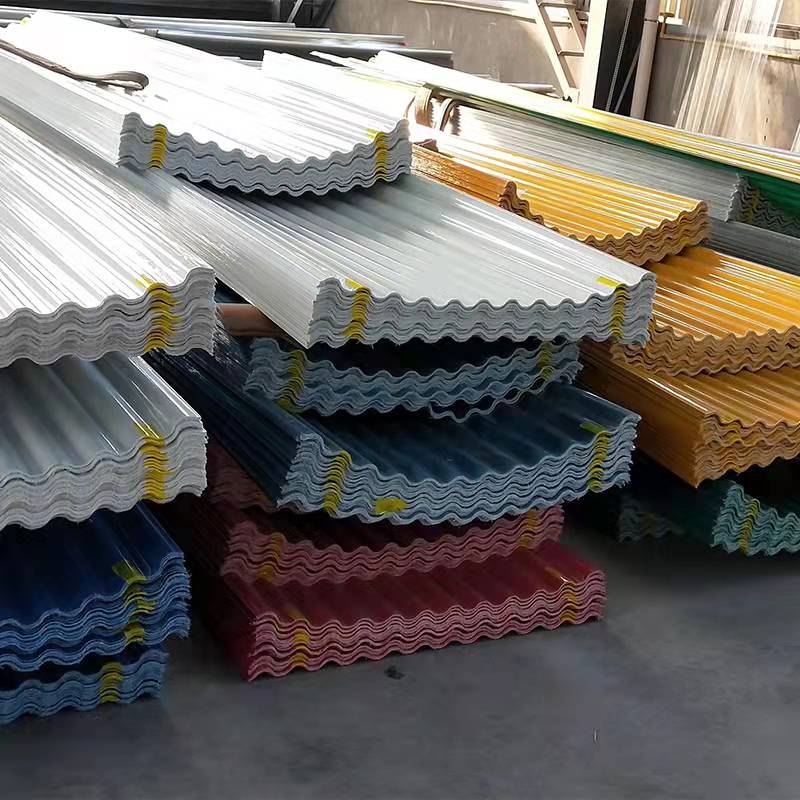
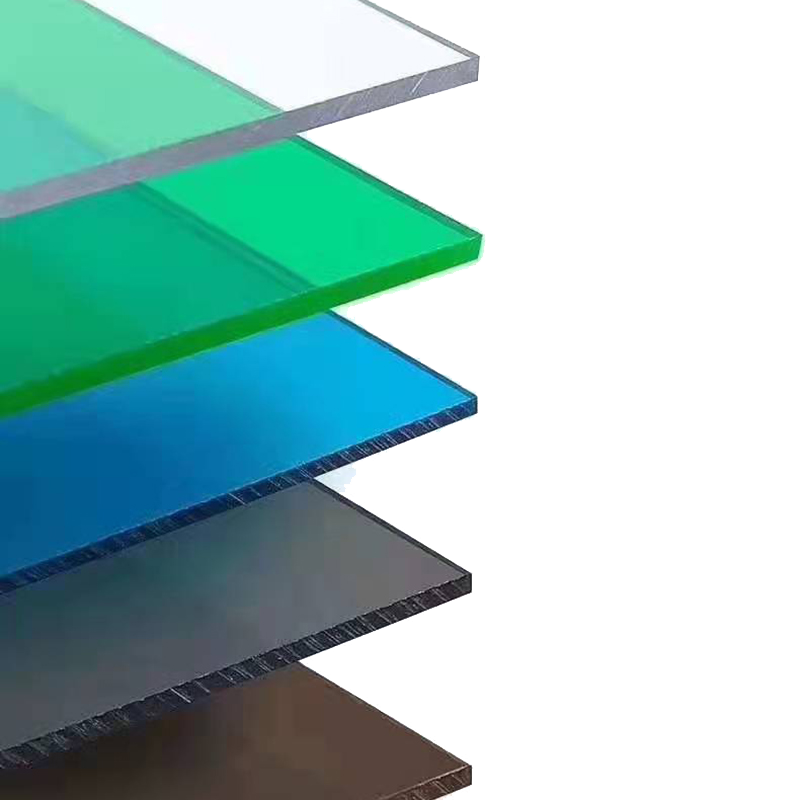
Additionally, the material type and thickness affect both light transmission and thermal performance. FRP panels can be customized in transparency or even incorporate colored translucent materials to optimize lighting and energy efficiency. The panel surface can also be specially treated to prevent dust accumulation, maintaining long-term cleanliness and consistent light transmission.
Comparative Analysis of FRP Daylighting Panels and Other Daylighting Materials
In the market, besides FRP daylighting panels, there are several other common daylighting materials, such as polycarbonate (PC) panels and acrylic (PMMA) panels. These materials differ from FRP panels in terms of light transmittance, thermal insulation, cost, and durability.
Polycarbonate (PC) Panels: PC panels have light transmittance similar to FRP, but their thermal insulation performance is inferior. While PC panels have strong impact resistance, they are prone to yellowing over long-term use, which affects the daylighting effect.
Acrylic (PMMA) Panels: Acrylic panels offer excellent light transmittance, but they have poorer thermal insulation and durability compared to FRP.
Overall, FRP daylighting panels have a clear advantage in comprehensive performance, particularly in energy-saving efficiency.
Advantages and Disadvantages of Different Daylighting Materials
| Material Type | Advantages | Disadvantages |
|---|---|---|
| FRP Panels | High light transmittance, good thermal insulation, durable | Relatively higher cost |
| Polycarbonate (PC) | Strong impact resistance, heat resistant | Poor thermal insulation, prone to yellowing |
| Acrylic (PMMA) | High transparency, easy to process | Poor thermal insulation, low UV resistance |
Call to Action
Architects and engineers should consider incorporating FRP daylighting panels as a key component of energy-saving building designs to promote a more environmentally friendly and sustainable construction industry. By effectively utilizing natural light, buildings can reduce operational costs while providing a healthier and more comfortable environment for occupants.
FRP daylighting panels help reduce building energy consumption by introducing natural daylight, thereby lowering energy costs. Beyond energy savings, they also enhance building environmental quality and comfort. As demand for green building materials continues to grow, FRP daylighting panels are poised to become an essential component in future architectural design.

 Email:
 Phone:
 Adress: