



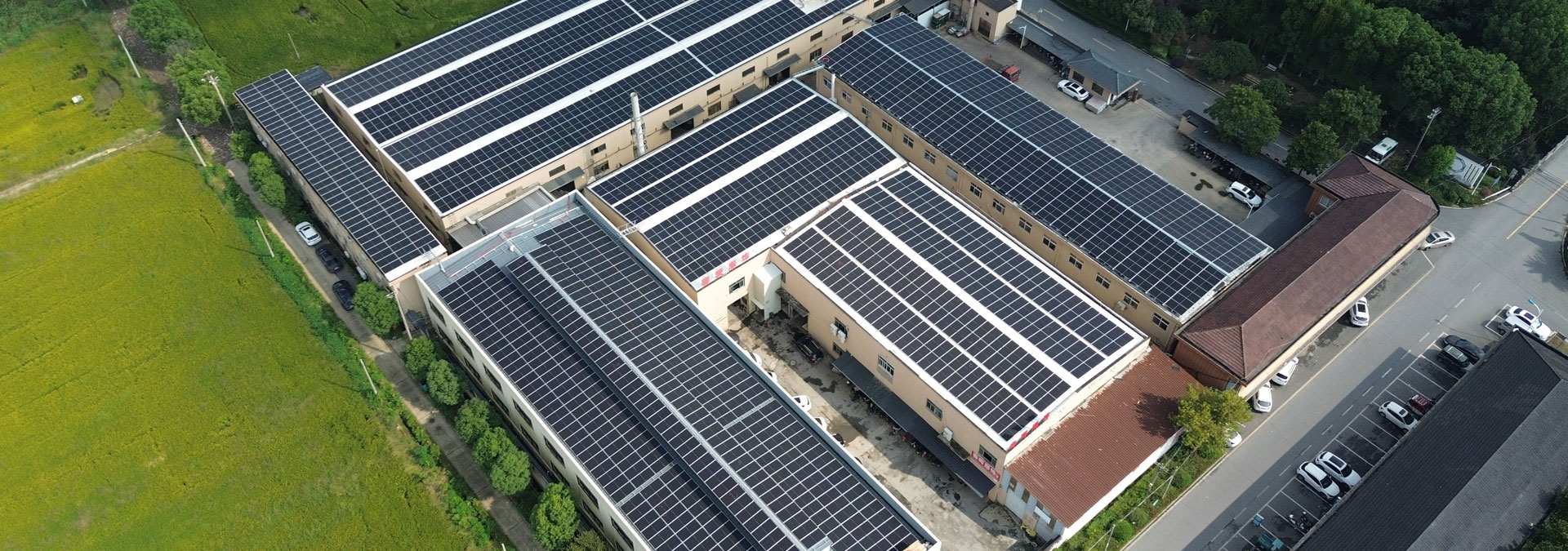
Roof tiles can look similar from a distance, yet the differences become easier to notice when buyers examine how a roofing material fits a building. Shape, surface appearance, installation habits, maintenance needs, local weather, and architectural style can all affect the choice.

China Ceramic Roof Tiles are one option within this wider market. They are often associated with traditional roof designs, but their use is not limited to buildings with an old-fashioned appearance. Ceramic tiles can also be considered for residential projects, garden structures, cultural buildings, and modern designs that borrow elements from traditional architecture.
Other roof tile categories offer different characteristics. Concrete tiles, metal roofing products, clay-based tiles, and other manufactured roofing materials each approach the roof in their own way.
The question for buyers is not simply which material is "better." A more useful question is which type fits the project.
That shift in perspective can make the purchasing process more practical. A roof is part of the building's structure and appearance. The selected tile needs to work with both.
What Makes China Ceramic Roof Tiles Different From Other Roof Tiles?
The most noticeable difference is often visual.
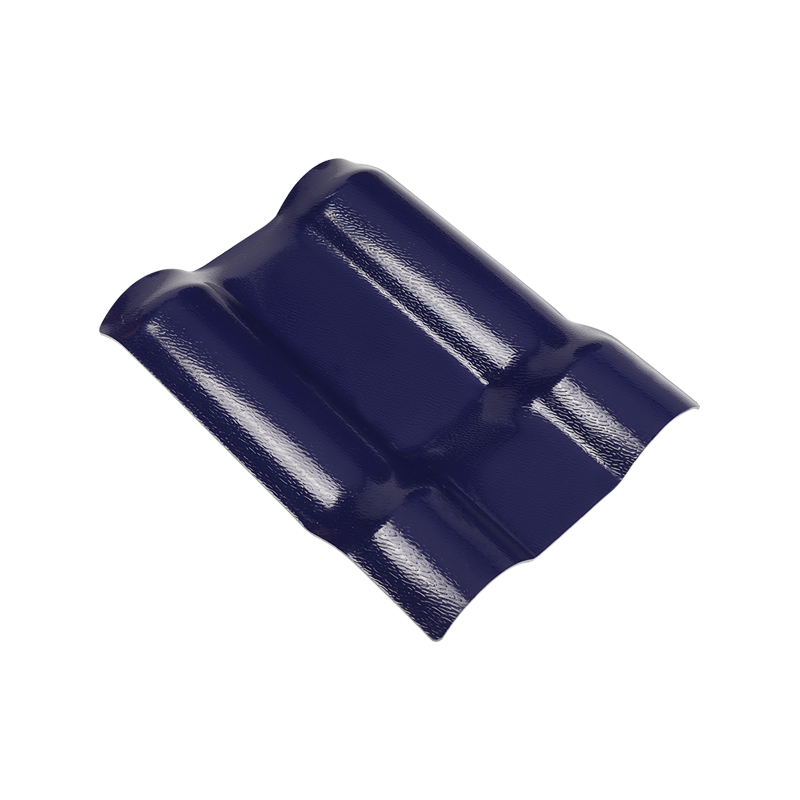
China Roof Tiles can provide a traditional appearance with a shaped surface and a distinctive roof texture. When arranged across a roof, individual pieces create a repeated pattern that becomes part of the building's character.
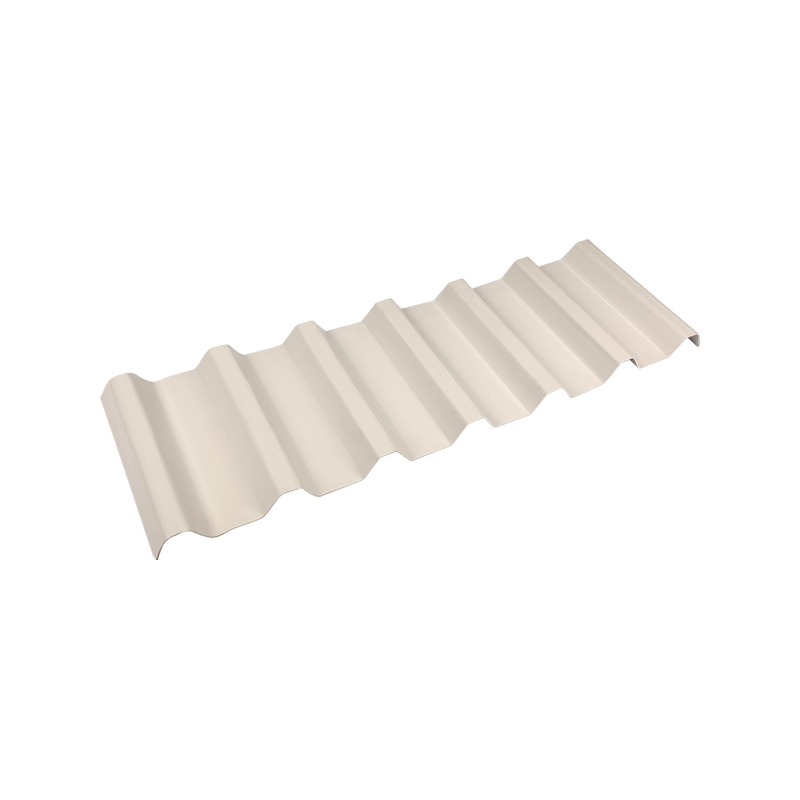
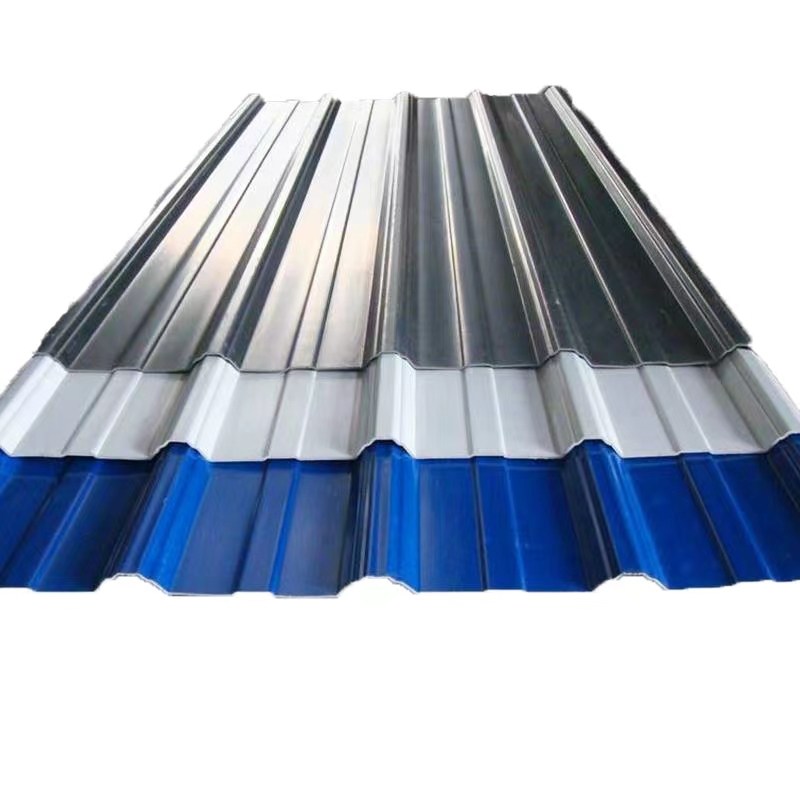
Other roof tiles may create a different visual effect. Concrete tiles can have a substantial appearance. Metal roofing can produce a cleaner and more continuous surface. Other ceramic or clay products may focus on a more natural material appearance.
These differences matter because the roof occupies a large part of a building's visible exterior.
A buyer may therefore want to consider more than the material itself:
- Surface appearance: Does the finish suit the building?
- Shape: Does the tile work with the planned roof form?
- Style: Does it support traditional, contemporary, or mixed architecture?
- Color: Does it fit the walls and surrounding environment?
- Pattern: Does the arrangement create the desired visual rhythm?
- Maintenance: Is the owner prepared for the care the roof may require?
This approach avoids treating roof tiles as interchangeable products.
A material can be suitable for one building and less suitable for another. The right choice depends on the complete project.
How Do Ceramic Roof Tiles Compare With Concrete Roof Tiles?
Ceramic and concrete roof tiles can both be used to create a tiled roof, but they offer different design impressions.
Ceramic tiles are commonly associated with a more refined surface and traditional architectural character. Their appearance can work particularly well where the roof is intended to be a visible design feature.
Concrete tiles often have a more substantial visual presence. They can also be produced in various shapes and finishes, giving designers room to work with different architectural styles.
The comparison is not simply about appearance.
The construction of the building matters as well. A roof needs suitable support, appropriate installation, and a design that matches the chosen material. Buyers should consider the entire roofing system rather than selecting tiles in isolation.
| Consideration | Ceramic Roof Tiles | Concrete Roof Tiles |
|---|---|---|
| Visual character | Often associated with traditional and refined roof styles | Often gives a solid and substantial appearance |
| Design use | Suitable for traditional and selected modern designs | Can suit many residential and architectural styles |
| Surface options | Can offer varied finishes and decorative appearances | Can also offer varied surface treatments |
| Architectural role | Often treated as a visible design element | Often selected for practical roof coverage and appearance |
| Buyer focus | Style, material character, roof design, maintenance | Roof design, structural planning, appearance, maintenance |
Neither category should be judged without considering the specific building.
A buyer working on a traditional-style project may value the visual character of ceramic tiles. Someone focused on another architectural direction may prefer a different roofing material.
Are Ceramic Roof Tiles Similar to Clay Roof Tiles?
The terms "ceramic" and "clay" are sometimes used casually when discussing roof tiles, but buyers should check the actual product description.
Traditional clay roofing products are made from natural clay that is shaped and fired. Ceramic products also involve fired mineral-based material, but manufacturing methods, composition, finish, and product design can vary.
The distinction becomes important when comparing products from different suppliers.
A buyer should not assume that two tiles are identical simply because both are described as ceramic or clay. The final product depends on how the material is prepared, shaped, finished, and produced.
Appearance can also differ.
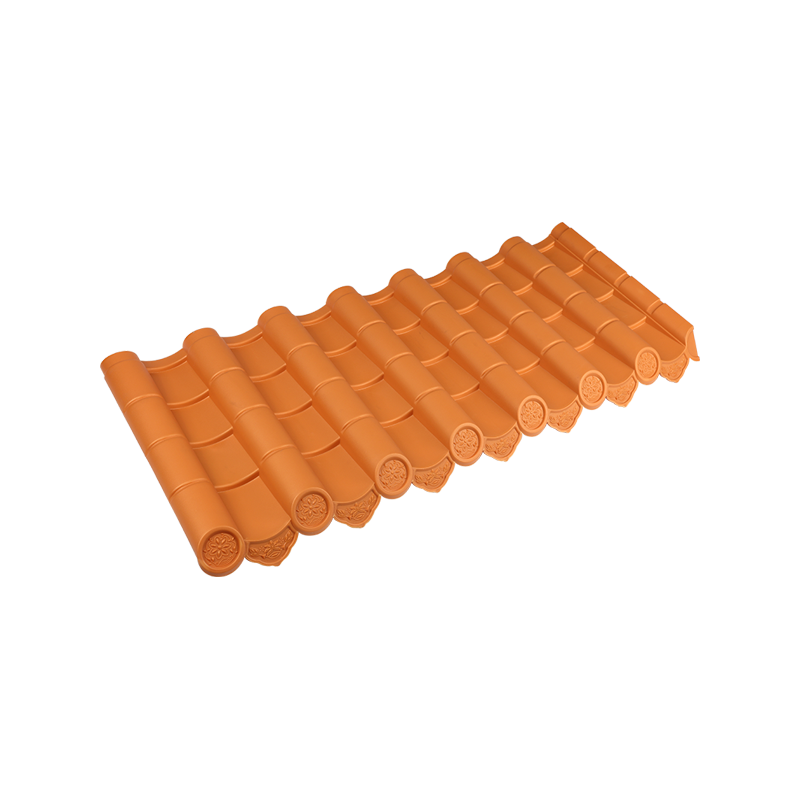
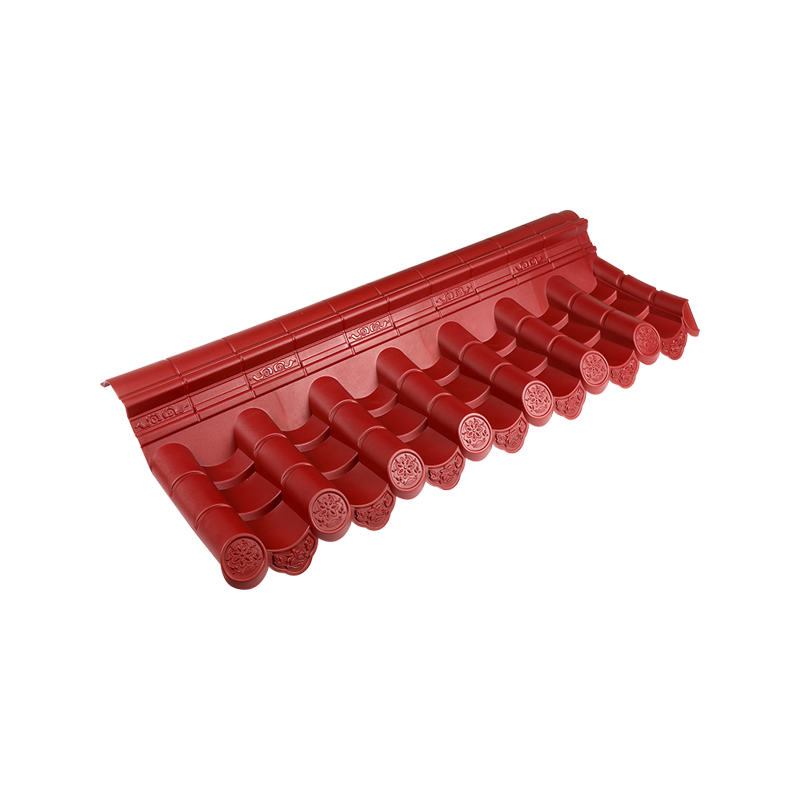
Some ceramic roof tiles have a smooth surface. Others may have a textured or aged appearance. Traditional-style products may include decorative shapes inspired by historical architecture.
This gives buyers another reason to examine physical samples or detailed product information before making a purchasing decision.
For projects where appearance is important, a small difference in surface treatment can become noticeable across an entire roof.
The same principle applies to color.
A color that looks suitable on a small sample may appear different when repeated across a large roof surface. Buyers should consider the complete architectural setting rather than evaluating a tile by itself.
Why Does Roof Style Matter When Choosing China Ceramic Roof Tiles?
Roof tiles do not exist separately from the roof.
Their shape needs to work with the roof's form. Their visual pattern needs to support the building's overall style.
China Roof Tiles are particularly interesting in this respect because they can be associated with traditional roof forms. Buildings influenced by Chinese architectural design often place strong visual emphasis on the roofline, eaves, and decorative details.
The tile therefore becomes part of a larger composition.
A roof with curved lines may create a different visual effect from a simple pitched roof. An ornate building may require decorative tiles, while a restrained modern building may benefit from a simpler tile arrangement.
Buyers can ask several questions before ordering:
- What type of roof is being built?
- Is the roof mainly functional, decorative, or both?
- Will the tiles be visible from nearby viewing points?
- Does the tile shape fit the planned roof layout?
- Will the color work with the exterior walls?
- Does the architectural style call for traditional details?
These questions can help narrow the selection.
A product that looks attractive in a catalog may not create the same effect when installed on a particular building.
Can China Ceramic Roof Tiles Work With Modern Architecture?
Traditional materials do not always require traditional buildings.
Modern architecture often borrows selected elements from historical design. A contemporary building may use a familiar roof shape while keeping its walls, windows, and interior spaces modern.
Ceramic roof tiles can contribute to this type of mixed design.
The key is controlled use.
A designer might use traditional-style tiles across the main roof while keeping other parts of the building simple. Another project might use ceramic tiles on a courtyard structure, entrance, garden pavilion, or cultural space.
This creates an interesting balance between old and new.
The roof provides a recognizable traditional element. The rest of the building can remain contemporary.
For buyers, this means ceramic roof tiles should not automatically be classified as products for historical buildings only.
Their suitability depends on how the designer combines them with other architectural elements.
This approach can also help developers and architects create buildings with a stronger local or cultural identity without reproducing an entire historical structure.
What Should Buyers Consider About Weather and Maintenance?
A roof needs to work in its intended environment.
Local weather can affect roofing decisions. Rain, strong sunlight, seasonal temperature changes, wind, falling debris, and surrounding vegetation can all influence how a roof should be designed and maintained.
Ceramic tiles can provide a durable roofing surface when properly selected and installed, but no roofing material is maintenance-free.
Small problems can become more difficult when they are ignored. Broken tiles, displaced pieces, accumulated dirt, or blocked drainage areas can affect the condition of a roof.
Regular inspection can help identify issues before they become more complicated.
Maintenance may involve:
- Checking visible tile surfaces.
- Looking for cracked or displaced pieces.
- Keeping drainage paths clear.
- Removing accumulated debris where appropriate.
- Checking areas around roof edges and other exposed locations.
- Replacing damaged pieces when necessary.
The surrounding environment matters too.
Trees close to a building can drop leaves and branches onto the roof. Coastal locations may present different conditions from dry inland areas. Buildings in regions with frequent rain may have different maintenance needs from those in drier climates.
For this reason, buyers should discuss local conditions with qualified roofing professionals before choosing a material.
How Does Installation Affect the Choice of Roof Tiles?
A roof tile can only perform as intended when the overall roof system is properly planned.
This includes the roof structure, tile arrangement, supporting components, drainage, flashing, and other details. Installation practices can vary between tile types.
Ceramic roof tiles may require careful handling because individual pieces can be damaged if handled improperly. Their arrangement also needs to follow the intended roof design.
Buyers should therefore look beyond the product purchase.
A sensible purchasing process considers:
Tile selection → Roof design → Supporting structure → Installation method → Drainage → Inspection and maintenance
Skipping one part can create problems later.
This is particularly important for projects using decorative or traditional-style ceramic tiles. The visual result depends heavily on how the tiles are positioned.
Even small inconsistencies can become visible when repeated across a large roof.
Working with installers familiar with the selected tile type can help reduce avoidable problems.
What Should Importers and Project Buyers Ask Suppliers?
For buyers purchasing China Roof Tiles from overseas suppliers, communication becomes especially important.
The product name alone does not provide enough information.
Buyers may want to ask about the tile's intended applications, available shapes, surface finishes, color options, packaging, handling recommendations, installation guidance, and replacement availability.
A useful supplier conversation can cover several areas.
| Buyer Question | Why It Matters |
|---|---|
| Where is the tile intended to be used? | Helps determine whether the product fits the project |
| What roof styles suit the tile? | Prevents design conflicts |
| What finishes are available? | Helps coordinate the exterior appearance |
| How should the tiles be handled? | Reduces avoidable damage |
| What installation guidance is available? | Helps installers understand the product |
| Are replacement pieces available? | Useful for long-term maintenance |
| How is the product packaged? | Important for transportation and storage |
| Can samples be reviewed? | Allows buyers to examine appearance before ordering |
Clear communication can also reduce misunderstandings about color and finish.
A product photograph cannot always show the exact appearance of a physical tile. Lighting, screen settings, and photography conditions can influence how color is perceived.
For larger projects, reviewing samples before placing a major order can be a practical step.
Could China Ceramic Roof Tiles Be the Right Choice for Your Project?
The comparison between China Ceramic Roof Tiles and other roof tiles is less about finding a universal winner and more about matching the material to the building.
Ceramic tiles can be attractive when the roof itself is an important part of the architectural design. They can support traditional visual styles and can also be incorporated into selected modern projects.
Concrete tiles may appeal to buyers seeking a different visual character. Metal roofing can offer another approach to roof coverage and architectural appearance. Clay and other tile products can provide their own material qualities.
The decision can be shaped by several connected factors:
- Building style
- Roof design
- Local climate
- Expected maintenance
- Installation conditions
- Visual preferences
- Project budget
- Availability of suitable products
- Long-term replacement needs
A roof should be considered as a complete system rather than a collection of individual pieces.
For buyers comparing China Ceramic Roof Tiles with other roofing options, the most useful starting point may be the building itself. Once the roof shape, architectural style, local conditions, installation approach, and desired appearance are clear, the material comparison becomes much easier to manage.

 Email:
 Phone:
 Adress: