



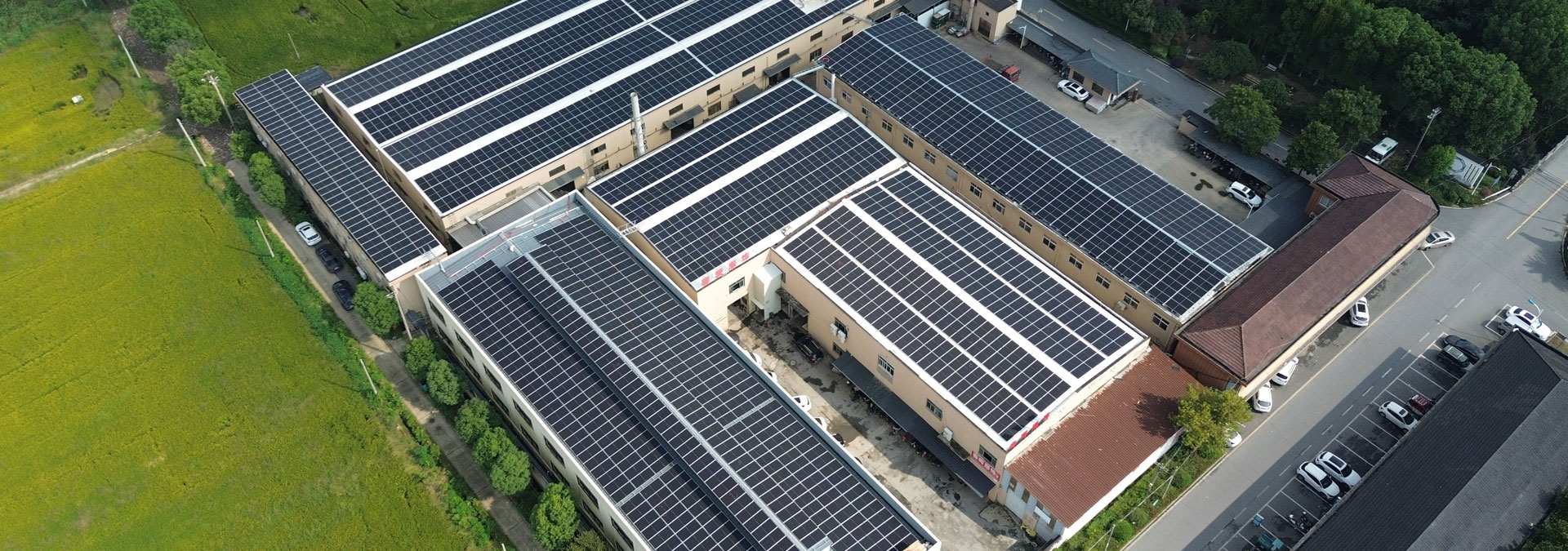
Factory buildings, often the backbone of industrial economies, rely on robust and efficient building materials. One key component of these structures is the roofing system, which plays a critical role in the overall integrity, energy efficiency, and longevity of the building. Factory roof tiles have come a long way in design and technology. As industries evolve and environmental concerns rise, Factory Building Roof Tiles are not only about durability anymore—they must also reflect technological advancements and sustainability trends.
How Sustainability Is Changing the Way Factory Roof Tiles Are Designed?
Factories today are under real pressure to operate more responsibly, and roof tiles are becoming one of the easiest, most effective places to make meaningful environmental improvements. Modern roof tile design focuses on cutting energy use, lowering carbon emissions, and using materials that don't harm the planet as much — all while still delivering the durability and protection a large industrial building needs.
Here are the main ways sustainability is reshaping factory roofing:
- Shift toward greener, recyclable materials More manufacturers are moving away from purely virgin resources and instead using recycled or sustainably sourced ingredients. Recycled plastics, reclaimed glass, repurposed metals, and even certain industrial by-products are now common in high-quality roof tiles. These choices reduce the demand for new raw materials, cut down on mining and processing waste, and make the whole system more circular.
- Strong focus on energy efficiency through better insulation Newer roof tiles are engineered to trap heat in winter and block it in summer much more effectively than older designs. Improved thermal performance means the factory's HVAC systems don't have to work as hard year-round, which directly translates to lower electricity bills and reduced energy-related emissions.
- Cool roofing technology that reflects heat One of the biggest trends right now is "cool roof" tiles with highly reflective surfaces (often light-colored or specially coated). These tiles bounce back a large percentage of sunlight instead of absorbing it, keeping the building noticeably cooler inside. For factories in warm climates or urban areas, this can dramatically cut air-conditioning demands, ease the strain on local power grids, and help reduce the broader urban heat island effect that makes cities hotter overall.
| Feature | Trend |
|---|---|
| Materials | Increased use of recyclable and sustainable materials. |
| Energy Efficiency | Roofing tiles designed for better insulation properties. |
| Thermal Reflection | Roofs designed to reflect more heat, reducing cooling costs. |
How Technology Is Revolutionizing Roof Tile Manufacturing for Today's Factories?
The production of roof tiles for industrial buildings, warehouses, and large commercial facilities has undergone a major transformation in recent years. What used to be a relatively basic, labor-intensive, and often wasteful operation has turned into a highly precise, efficient, and innovative process. These technological upgrades don't just make manufacturing faster — they result in roof tiles that are more durable, perform better for longer, save energy, and are easier to handle and install.
Here are the main technological advancements that are driving the biggest changes:
- 3D printing unlocking new levels of design precision and flexibility Additive manufacturing (commonly called 3D printing) stands out as one of the most impactful innovations. It lets manufacturers produce roof tiles with sophisticated features that traditional methods simply couldn't handle economically — things like perfectly fitted interlocking systems, integrated water runoff channels, lightweight yet strong internal lattice patterns, or completely custom shapes tailored to unique roof designs. Traditional tile production relies on expensive custom molds and lots of trial runs, which wastes material and time. With 3D printing, the first tile is usually spot-on, material usage is minimized, and designers can quickly test and perfect new ideas to fit the exact requirements of any project.
- High-performance smart coatings that actively defend and extend tile lifespan Modern coatings have evolved into intelligent, multi-layered protection systems. They're designed to tackle specific threats head-on: powerful UV blockers that stop fading, cracking, and material breakdown; corrosion-resistant barriers for factories near coasts or in polluted industrial zones; self-cleaning surfaces that let rainwater wash away dirt, dust, and pollutants; and ultra-reflective finishes that reject solar heat to keep the building cooler inside. Many coatings also fight off mold, algae, and chemical damage. Because these tiles stay in excellent condition much longer, factories benefit from far fewer replacements, reduced upkeep costs, and more consistent energy savings over the roof's entire life.
Behind these headline features, other important technologies quietly improve the whole process: Fully automated production lines for pressing, cutting, and firing; robotic systems for handling and quality checks; real-time sensors tracking every detail of temperature, moisture, and material flow; and computer-optimized kiln cycles that use energy more efficiently while delivering extremely consistent results. The outcome is fewer imperfections, tighter quality control, lower waste, and tiles that are more uniform and dependable straight from the factory.
How Are Roof Tiles Enhancing Energy Efficiency?
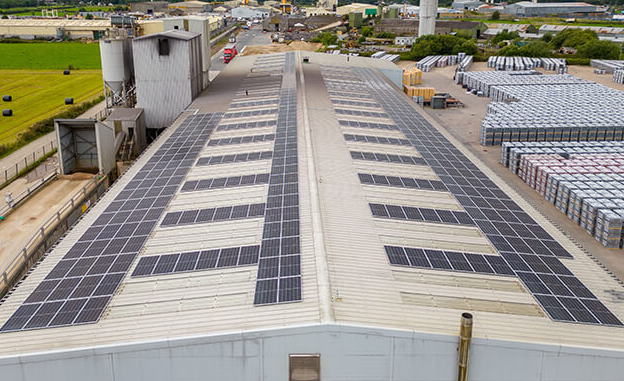
As energy efficiency becomes increasingly important, factory building roof tiles are designed to help buildings perform better in terms of energy consumption. One of the most significant innovations is the integration of solar tiles or solar shingles into the roof design. These tiles combine the functionality of traditional roofing with the energy-generating capabilities of solar panels, making it easier for factories to harness renewable energy.
| Feature | Energy Efficiency Benefit |
|---|---|
| Solar Tiles | Generates renewable energy directly from the roof. |
| Cool Roofing | Reflects more sunlight, reducing the need for air conditioning. |
| Thermal Insulation | Enhances heat retention in cold weather, reducing heating costs. |
Solar tiles are particularly useful for factories with large roof areas, as they allow building owners to generate their own electricity, reducing reliance on the grid and lowering utility costs. These tiles can either be integrated directly into the roof or placed on top of existing roofing materials. The use of solar tiles is expected to grow as more industries shift toward renewable energy solutions.
Along with solar tiles, improved thermal insulation is also a key feature of modern factory roof tiles. Insulation materials help to maintain a consistent indoor temperature by preventing heat loss during the winter and minimizing heat gain during the summer. This can significantly reduce heating and cooling costs, making the factory building more energy-efficient overall.
How Aesthetics Are Driving Changes in Factory Roof Tile Designs?
Factory roofs used to be purely about protection and cost — looks were barely an afterthought. That's changing fast. More owners now want their buildings to look sharp and intentional, so roof tile manufacturers are putting real effort into making tiles that are visually appealing while still delivering the strength, weather resistance, and low-maintenance performance industrial sites demand.
Here's how aesthetics are influencing today's designs in practical ways:
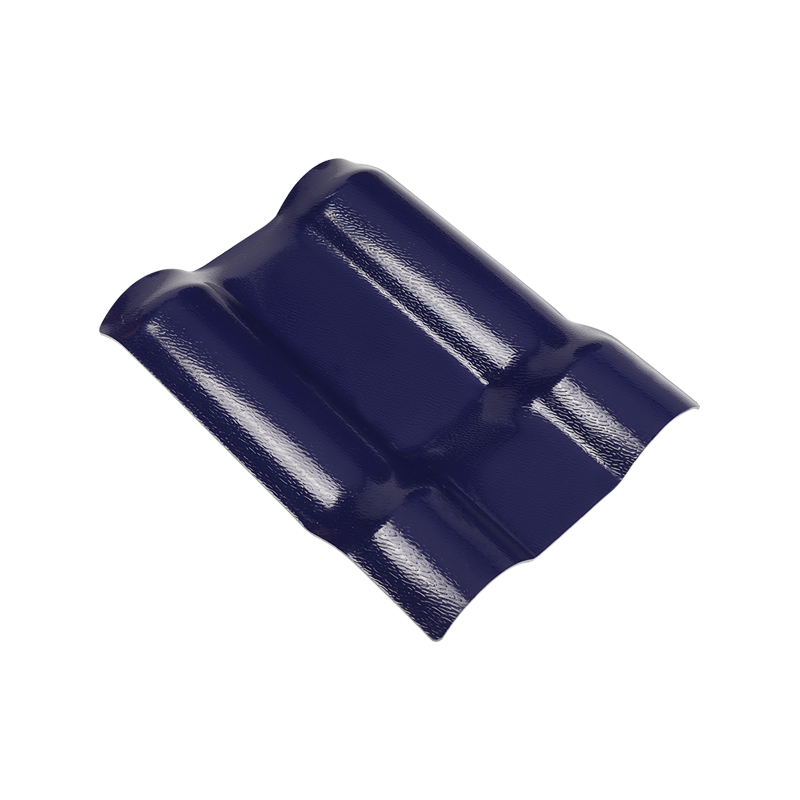
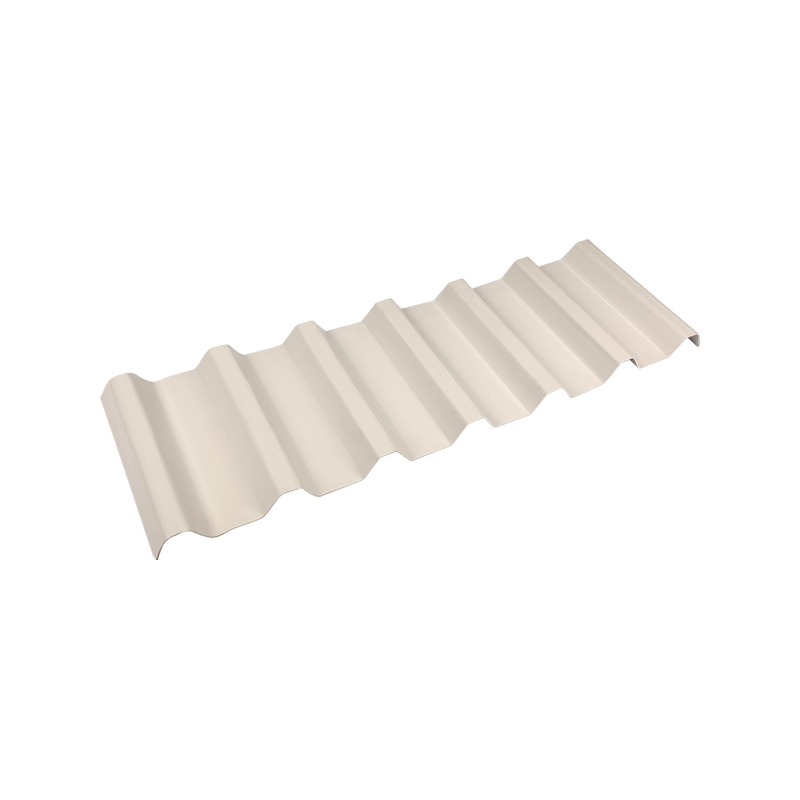
- Much wider range of colors, textures, and finishes Gone are the days when you only had a handful of dull grays or basic reds. Tiles now come in everything from crisp modern whites and soft metallics to deep charcoals, earthy tones, and even subtle accent colors that tie into corporate branding. Textures range from ultra-smooth and sleek to lightly embossed or matte for a more sophisticated feel. This variety lets owners create a roof that actually enhances the overall look of the facility instead of just covering it.
- Better visual presence in urban and commercial settings In cities or areas where factories sit alongside offices, retail, or residential zones, a well-designed roof makes a real difference. A clean, attractive roofline can make the building look more professional, welcoming, and integrated into its surroundings. It helps with community perception, client impressions during site visits, and even employee pride in the workplace — turning what could feel like a generic industrial shed into something that stands out positively.
- Aesthetic choices that also improve real performance Many of the best-looking options come with practical bonuses: Smoother, sleeker surfaces that shed water and debris more efficiently, reducing the risk of pooling or long-term staining. High-quality finishes and pigments that resist fading, chalking, or discoloration far longer than older tiles. Reflective or low-gloss options that not only look contemporary but also help with heat rejection and energy savings.
What Are the Benefits of Advanced Roofing Systems for Factory Buildings?
As factory owners seek to improve the performance and longevity of their buildings, they are increasingly turning to advanced roofing systems that go beyond traditional tile options. These systems are designed to improve both the performance and aesthetics of factory roofs while offering additional benefits like enhanced weather resistance, better insulation, and reduced maintenance costs.
Some of the benefits of advanced roofing systems include:
- Improved Durability: Many of the new roofing systems feature tiles that are designed to withstand harsher environmental conditions, such as heavy winds, extreme temperatures, and corrosive chemicals.
- Better Insulation: Modern factory roof tiles are being made with advanced insulation materials that reduce energy consumption and help maintain a comfortable indoor environment.
- Faster Installation: With the rise of pre-fabricated roof tiles and automated installation techniques, the time required for installation has been greatly reduced, leading to lower labor costs.
| Benefit | Explanation |
|---|---|
| Enhanced Durability | Tiles designed to withstand severe weather conditions. |
| Better Insulation | Advanced materials to help maintain indoor temperature and reduce energy costs. |
| Reduced Installation Time | Faster, more efficient installation processes with prefabricated tiles. |
The combination of these factors makes advanced roofing systems more cost-effective and efficient for factory buildings. These innovations offer significant long-term savings by reducing maintenance costs, improving energy efficiency, and prolonging the lifespan of the roof.
The Future of Factory Roof Tile Design and Technology
The ongoing evolution in roof tile design and manufacturing for factory buildings is being shaped by three core priorities: genuine sustainability, meaningful energy savings, and roofs that deliver superior long-term performance. Thanks to breakthroughs in materials, smarter production methods, and the growing integration of energy-saving and even renewable features, today's factory roofs are becoming tougher, more cost-effective to run, and significantly kinder to the environment.
Key forces behind these advancements include:
- Greener material choices that rely more on recycled content, low-impact sources, and durable compounds designed to last decades with minimal replacement.
- Highly efficient manufacturing — from precision 3D printing and automation to real-time quality monitoring — that cuts waste, lowers energy use during production, and delivers more consistent, higher-quality tiles.
- Built-in performance upgrades like highly reflective "cool roof" surfaces, advanced thermal insulation, self-cleaning coatings, and better weather resistance that keep buildings cooler in summer, easier to heat in winter, and protected against harsh industrial conditions.
As these developments keep moving forward, factory owners gain access to roofing solutions that do much more than just cover the building. They actively reduce electricity bills through lower cooling and heating demands, slash maintenance and replacement costs over time, and shrink the facility's overall carbon footprint — often while improving the building's appearance and professional image.

 Email:
 Phone:
 Adress: