



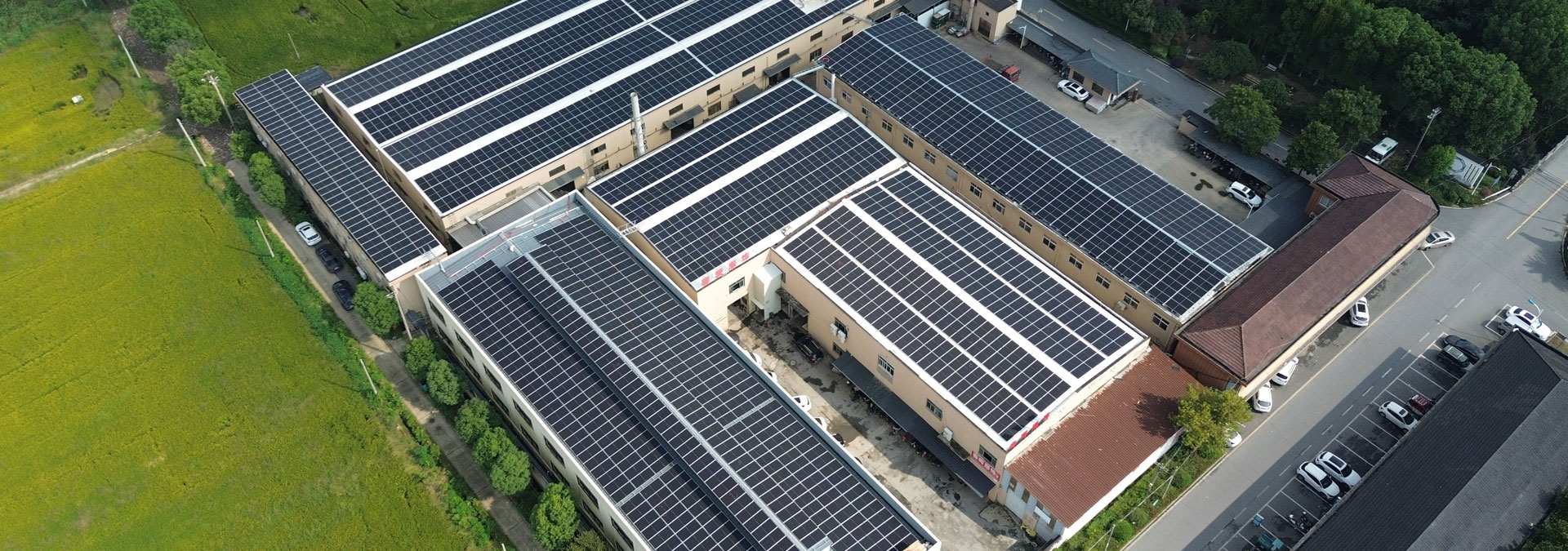
Chinese-style roofing materials , with their deep cultural roots, have long been celebrated for their unique aesthetic and functional qualities. These materials, from traditional ceramic roof tiles to intricate glazed roofing, are more than just construction elements; they reflect a long-standing history of craftsmanship, architectural innovation, and environmental sensitivity. Today, they continue to play a significant role in both preserving historical heritage and contributing to modern architectural designs. But what are the core values that define roofing materials?
What are its cultural and aesthetic values?
Traditional Chinese roofing materials have always been far more than just a way to keep out the rain — they carry centuries of philosophy, social meaning, and aesthetic refinement in every curve and color. From grand imperial palaces to quiet temples and scholarly residences, these roofs have served as silent storytellers, expressing ideas about power, harmony, and humanity's place in the natural order.
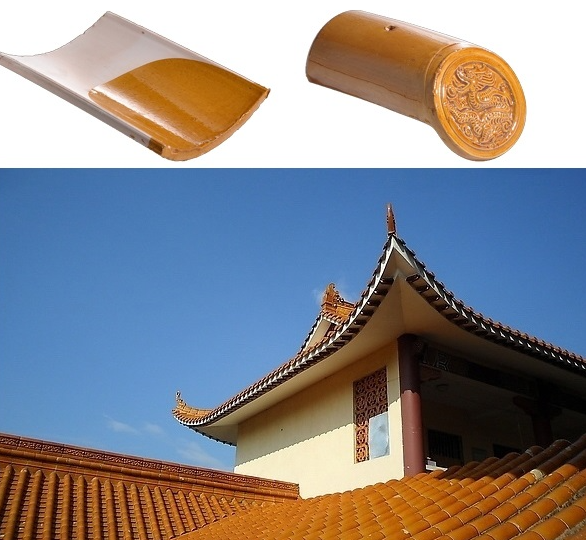
Among the most iconic are the glazed clay tiles. The deep green "qing wa" tiles appear across countless historic structures — temples, pavilions, gardens, and official buildings — evoking calm, longevity, and a connection to nature. But the most revered and strictly controlled were the brilliant imperial yellow glazed tiles. Reserved exclusively for the emperor's palaces, major halls, and important ceremonial sites, that intense golden-yellow color was a direct symbol of the "Son of Heaven." It represented the ruler's divine mandate, heavenly approval, and unmatched authority. No one else was permitted to use yellow tiles — doing so was a serious offense against the established order.
The very shape of these roofs speaks volumes. The signature upturned eaves, rising gracefully at the corners, are one of the most instantly recognizable features of Chinese architecture. Far from being purely decorative, they embody deep cultural ideals: perfect symmetry, yin-yang balance, and a gentle, respectful relationship between human creation and the natural world. The flowing curves echo the soft outlines of distant hills, drifting clouds, or swaying willow branches — reminding everyone that buildings should blend with, rather than conquer, the landscape. In popular belief, the upward sweep also serves a protective purpose: it turns away evil influences while allowing positive energy and good fortune to gather beneath the roof.
At their core, these roofs convey several powerful values:
- Color as an immediate symbol of rank and meaning Yellow tiles belonged only to the emperor. Green tiles marked sacred or high-status buildings. More subdued earth tones appeared on homes of scholars, officials, and common people. A glance at the roof told you exactly where you stood in the social and cosmic hierarchy.
- Balance, symmetry, and harmony with the universe The mirrored proportions, rhythmic curves, and overall equilibrium reflect core Confucian and Daoist principles — living in accord with nature's rhythms, maintaining inner and outer balance, and seeking harmony in all things.
- Majestic yet refined beauty Elaborate ridge ornaments (often mythical creatures like dragons, phoenixes, or guardian animals), delicate patterns, layered eaves, and subtle detailing create an impression of grandeur that never feels heavy or overbearing. Standing beneath one of these roofs today still brings a sense of quiet wonder and connection to something ancient and enduring.
| Cultural Aspect | Value |
|---|---|
| Color Symbolism | Different colors of tiles, such as yellow and green, hold cultural significance and denote status. |
| Symmetry and Balance | The upturned edges of the roof embody harmony and balance, key principles in Chinese philosophy. |
| Aesthetic Appeal | Intricate designs and patterns offer a sense of beauty and grandeur. |
This cultural and aesthetic strength has never really faded. Modern architects, homeowners, and designers — both in China and around the world — continue to draw on these classic elements. You'll see upturned eaves, glazed tiles, and traditional roof silhouettes appearing in contemporary courtyard houses, boutique hotels, cultural centers, private villas, and even urban residences. People choose them because they offer something rare: an authentic link to thousands of years of heritage, a sense of spiritual depth, and a timeless elegance that feels just as meaningful and beautiful in the present as it did centuries ago. These roofs remain a graceful bridge between history's ideals and today's living.
What are its durability and practical features?
What truly sets roofing materials apart, beyond their beauty and symbolism, is how incredibly well they perform in harsh, everyday conditions. Crafted from simple but superior natural ingredients — mainly high-fired clay and ceramic, with stone used in some cases — these tiles were designed from the beginning to survive climates that range from scorching and soaking wet to bitterly cold and windy.
Southern China brings relentless summer heat, humidity, and torrential monsoon rains, while the north delivers long winters with deep freezes, heavy snow, and biting winds. Traditional tiles take all of it in stride. The ceramic material is naturally robust: it withstands wild temperature swings without cracking, shrugs off pounding rain without wearing down, and endures countless freeze-thaw cycles that would quickly ruin many modern roofing products. This raw durability has let countless historic buildings keep their original roofs for hundreds of years, often with little more than routine checks.
The beautiful glaze — that signature glossy finish in deep green, imperial yellow, or other classic colors — isn't just for looks. It forms a hard, completely waterproof skin over the tile. Water can't seep into the clay body below, which dramatically lowers the chances of frost cracking, mold, efflorescence, or slow erosion. That single layer of glaze is a big reason so many ancient roofs are still sound and leak-free centuries later.
Fire protection comes built-in too. Clay and ceramic tiles simply don't burn. In the tightly packed wooden towns and villages of old China, where fires could spread fast, this non-flammable quality was a genuine lifesaver. That same safety benefit still matters today in any building where fire risk is a concern.
On the comfort and energy side, these roofs quietly do an impressive job. The thick, heavy tiles plus the traditional curved, overlapping design create natural air pockets and thermal mass that insulate beautifully. Interiors stay much cooler in the sticky heat of summer and hold warmth through freezing winters — all without any pumps, fans, or electricity. Centuries ago, this made homes and halls livable in extreme weather. Today, it means real savings on heating and cooling bills, plus a smaller carbon footprint.
Here are the main practical strengths that keep these tiles so respected:
- Outstanding endurance against the elements Rain, sun, wind, extreme heat, deep cold, pollution — they handle it all for generations, usually needing only basic cleaning and rare spot repairs.
- Strong natural temperature control Excellent built-in insulation that keeps indoor spaces stable year-round, cutting down on artificial heating and cooling.
- Inherent fire safety Completely non-combustible, offering a solid layer of protection that's as relevant now as it was historically.
In modern construction and restoration, these qualities feel more valuable than ever. With growing demand for long-lasting, low-maintenance, and environmentally thoughtful materials, traditional Chinese roof tiles continue to shine. They demand almost no ongoing care, hold their color and integrity far longer than many synthetic alternatives, and deliver reliable performance that perfectly matches today's priorities of durability, sustainability, and smart resource use. What began centuries ago as honest, hardworking craftsmanship has turned out to be remarkably intelligent design — a roofing solution that still feels like one of the wisest choices for anyone building or preserving something meant to last.
Where is environmental sustainability demonstrated?
Environmental sustainability is becoming an increasingly significant consideration in modern architecture, and roofing materials align well with these values. Many traditional Chinese roof tiles are made from natural materials that are abundant and eco-friendly. For example, clay and ceramic tiles are not only renewable but also biodegradable, reducing the environmental footprint compared to synthetic roofing materials.
Additionally, the glazed coatings used on Chinese-style tiles provide excellent waterproofing without relying on harmful chemicals. This ensures that these roofing materials contribute to a healthier environment by preventing water damage while avoiding the use of toxic materials.
In an era where sustainability is paramount, the long lifespan of roofing materials further supports their eco-friendly appeal. Buildings constructed with these materials are less likely to need frequent repairs or replacements, reducing the need for additional resources and waste.
| Environmental Aspect | Value |
|---|---|
| Natural Materials | Tiles made from clay and ceramics are renewable and biodegradable. |
| Waterproofing | Glazed coatings ensure roofs are waterproof without harmful chemicals. |
| Long Lifespan | Durable roofing materials reduce waste by lasting longer. |
This sustainable quality is a driving factor for incorporating Chinese-style roofing materials in contemporary green building projects, where the focus is on minimizing environmental impact.
Where are cultural heritage sites and conservation efforts located?
Traditional Chinese roof tiles are never merely practical — they are living records of deep architectural knowledge, extraordinary hand skill, and rich cultural meaning. With every flowing curve, hand-laid glaze, and quiet irregularity, they quietly carry forward the story of countless generations of Chinese builders, keeping the past present and touchable.
The true essence shines in the handmade glazed tiles — a craft lovingly preserved across family generations and modest workshops. Artisans spend years refining each careful process: choosing the finest clay, working it with practiced hands, forming every tile individually, applying glaze with thoughtful strokes, and watching over the kiln to coax out that warm, glowing finish. The soft shifts in color, delicate surface feel, and intentional arrangement of every small detail are not errors — they are honest marks of human touch, time, and inherited mastery. These tiles stand apart from anything mass-produced; they are understated works of art that turn a roofline into a quiet celebration of dedication and excellence.
This living tradition holds special importance when caring for China's historic buildings. True restoration of ancient temples, grand palaces, old academies, ancestral halls, and traditional villages can only succeed with authentic materials. Only handcrafted tiles retain the real signs of age, natural variations, and historical atmosphere that modern factory versions almost never recapture. By keeping the production and use of these traditional tiles alive, we protect not only the structures themselves, but the original feeling and truth they were born with — so future generations can still sense them as they were meant to be.
These roofs remain strong, unmistakable symbols of Chinese cultural identity across the world. The elegant sweep of upturned eaves, the deep imperial yellow of royal halls, the peaceful green of sacred temples — these shapes and colors instantly awaken the heart of Chinese architecture in anyone who sees them. As more people everywhere come to value genuine Chinese design, architects, families, and cultural groups increasingly turn to real traditional tiles — choosing them not just for their grace, but as a deliberate way to honor and carry forward this ancient, living heritage.
At their core, traditional Chinese roofing materials preserve three essential truths:
- Handmade craftsmanship alive with generations of skill, raising roofing to the level of cultural art
- Irreplaceable authenticity needed to faithfully restore the true character of historic places
- Gentle, enduring reminders of shared history, values, and quiet pride in a world of constant change
In today's hurried world, the choice to keep making and using these traditional tiles becomes a small, steady act of respect for what endures — ensuring that tomorrow's people can still stand under the same sweeping curves, look up at the same luminous glazes, and feel the same timeless wonder that has moved hearts for centuries.
How to adapt to modern design?
Despite their ancient roots, Roofing materials are incredibly adaptable and have found a place in modern architecture. The sleek, minimalist approach of contemporary Chinese buildings incorporates traditional roof tiles in innovative ways, blending the old with the new. The use of these materials in modern residential and commercial buildings reflects a growing appreciation for their timeless beauty and practicality.
Fusion designs, where traditional Chinese roof tiles are used alongside modern materials like glass and steel, have become a trend in urban architecture. These modern interpretations not only preserve cultural identity but also push the boundaries of design, merging traditional aesthetics with contemporary functionality.
| Modern Adaptability | Value |
|---|---|
| Fusion Designs | Traditional roof tiles are incorporated into modern designs to create a unique aesthetic. |
| Cultural Integration | The use of Chinese-style materials enhances cultural representation in modern architecture. |
This adaptability ensures that Chinese-style roofing materials remain relevant in a globalized world, where the demand for both cultural richness and innovative design continues to grow.


 Email:
 Phone:
 Adress: