



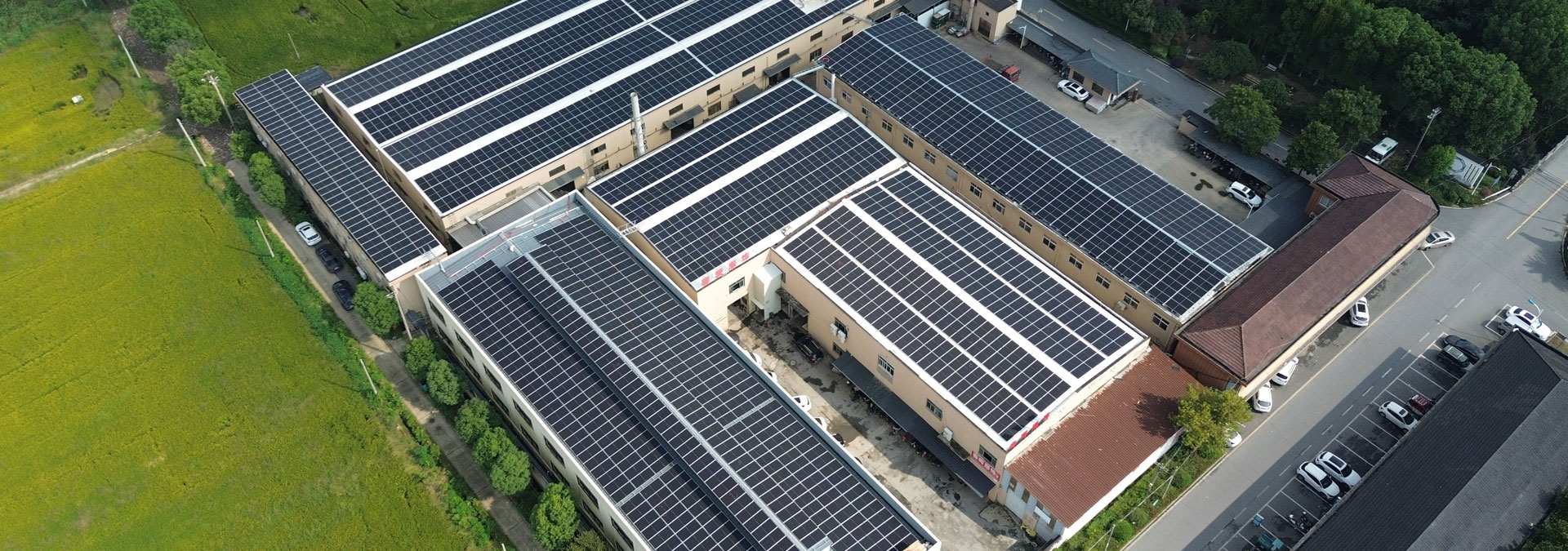
Roofs do more than shelter buildings. They influence energy use, waste generation, and environmental health. Choosing environmentally friendly roofing materials is becoming a standard consideration in modern construction. Their value extends beyond durability or aesthetics, shaping how buildings interact with the environment.
How Do Green Roofing Materials Support Sustainability?
At the core of sustainable building practices, green roofing materials play a vital role in promoting environmental responsibility. By incorporating recycled or renewable elements, enhancing energy performance, and prioritizing longevity, these materials significantly lessen ecological strain. Every decision in roofing affects the full lifecycle—from raw material sourcing and production to installation, use, and eventual disposal. Opting for thoughtful, low-impact options helps preserve finite resources while curbing excess waste.
A key emphasis is on circular economy approaches, where materials are designed for reuse, repurposing, or efficient recycling once their primary function ends. This shifts the focus beyond mere shelter to actively supporting planetary health.
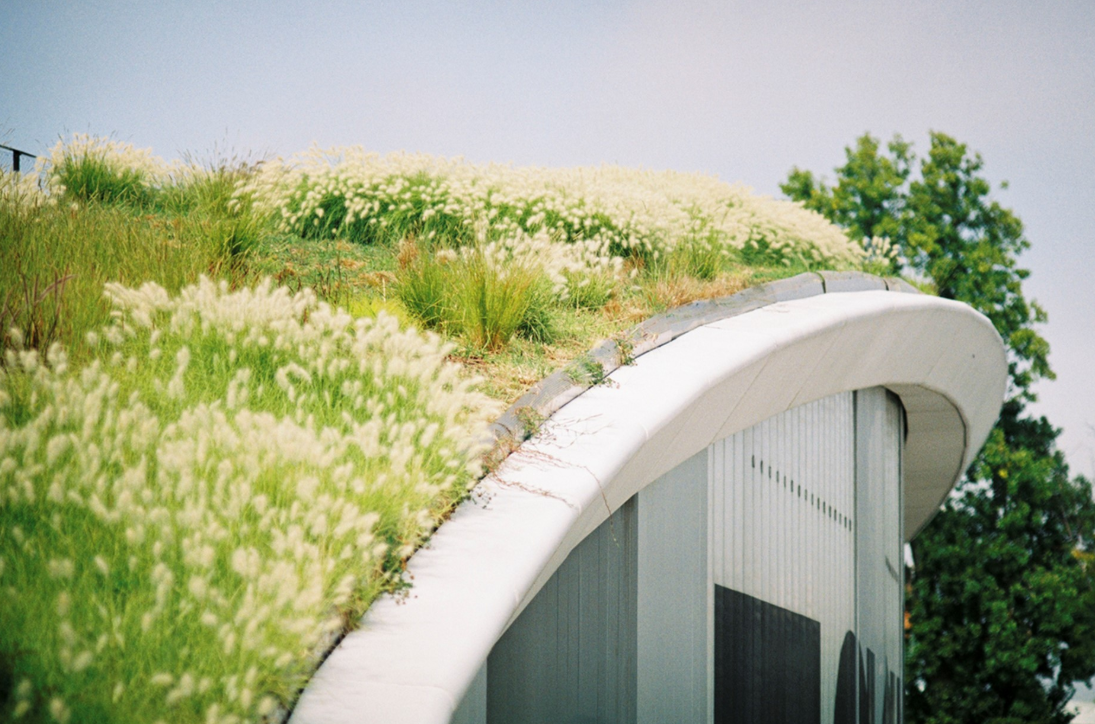
Examples of vegetated green roofs that contribute to sustainability through natural insulation and biodiversity.
| Key Feature | Positive Environmental Effect |
|---|---|
| Recycled elements | Preserves virgin resources and cuts extraction needs |
| Renewable components | Reduces exploitation of non-renewable supplies |
| Enhanced insulation/reflectivity | Lowers building energy demands for climate control |
| Extended durability | Limits replacements, reducing material and waste cycles |
| Minimal chemical formulations | Prevents pollution of land, air, and waterways |
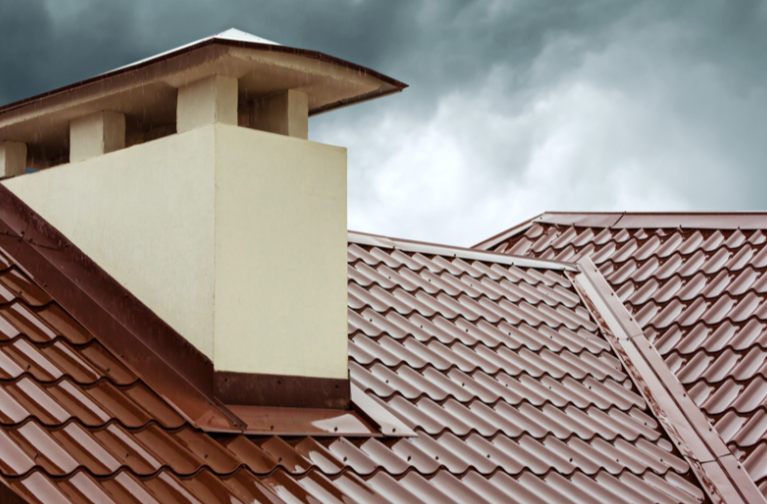
Recycled metal roofing options demonstrating durable, reusable materials.
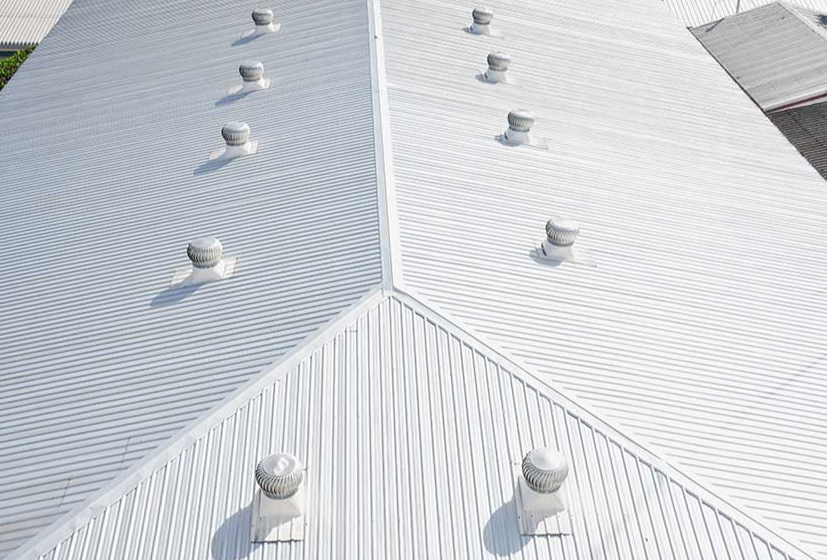
Reflective cool roofing surfaces that boost energy efficiency.

Innovative integrations of solar panels with green roofing for combined energy and ecological benefits.
Why Energy Efficiency Is Key?
Energy efficiency is one of the most compelling advantages of eco-friendly roofing materials. These systems directly affect how much energy a building requires for temperature control. By incorporating reflective properties, light-colored finishes, or effective insulation layers, they substantially decrease the demand for heating in cold seasons and cooling in warm ones. This leads to lower energy consumption overall and a corresponding drop in emissions tied to electricity or fuel production. Over the life of a building, even modest enhancements in efficiency can yield substantial environmental improvements.
Stable thermal performance is at the heart of this benefit. Bright or reflective surfaces reduce heat absorption from sunlight, while well-insulated or multi-layered designs slow the transfer of heat into or out of the structure. The outcome is a more consistent indoor environment that relies less on mechanical heating and cooling systems, providing clear gains for both ecological health and occupant well-being.
How Do Material Choices Affect Resource Use and Waste?
The source and lifecycle of roofing materials matter. Environmentally friendly options often incorporate recycled or renewable components, limiting the need for fresh raw materials. At the end of their life, many of these materials can be reprocessed rather than discarded.
Waste is reduced during installation and replacement. Lightweight panels generate less debris on construction sites, and modular roofing designs allow for easier repairs. Longevity also lowers the total volume of material discarded over the lifespan of a building.
Comparing Traditional and Eco-Friendly Roofing
| Aspect | Conventional Roofing | Environmentally Friendly Roofing |
|---|---|---|
| Raw materials | Often non-renewable | Recycled or renewable |
| Energy performance | Moderate | Enhanced |
| Service life | Limited | Extended |
| End-of-life disposal | Landfill | Recyclable or biodegradable |
| Overall environmental load | Higher | Lower |
How Durability Boosts the Environmental Performance of Roofing?
The extended lifespan of roofing materials is a key driver of their environmental value. Roofs designed for longevity require far fewer replacements during a building's lifetime. Each replacement process demands significant inputs—new raw materials, energy for production and transport, plus labor—while also creating waste from the discarded old roof. By selecting materials that endure longer, these repeated cycles are minimized, resulting in a substantially reduced overall impact on resources and the environment.
Materials that stand up well to elements like wind, rain, sun exposure, temperature swings, or corrosion also need less routine upkeep. This translates to fewer repairs or treatments, lowering the use of sealants, preservatives, or other chemicals that could otherwise leach into soil or waterways. In essence, greater durability not only conserves materials and energy but also limits ongoing environmental disturbances, delivering lasting ecological benefits.
How Roofing Supports Effective Water Management?
Many sustainable roofing systems excel at handling rainwater in environmentally beneficial ways. Features such as vegetated green roofs or permeable roofing products enable water to be absorbed, retained, or gradually released instead of rushing off immediately. This approach markedly decreases the volume and velocity of stormwater runoff, alleviating strain on municipal sewer systems and reducing the likelihood of urban flooding.
Beyond flood prevention, these water-conscious designs offer further ecological advantages. By holding moisture on the roof surface, they create opportunities for vegetation to thrive or for small habitats to form, supporting insects, birds, and microbial life. In city settings where green space is limited, this contributes meaningfully to local biodiversity and helps integrate natural processes into the built landscape.
Environmental Functions Beyond Energy Efficiency
| Function | How Roofing Contributes |
|---|---|
| Rainwater control | Absorbs or channels water to prevent flooding |
| Urban heat reduction | Reflective or vegetated roofs lower heat buildup |
| Improved air quality | Minimal chemical emissions from materials |
| Support for biodiversity | Green roofs provide habitat for plants and insects |
| Material reuse | Recycling reduces demand for virgin resources |
How Does Cost Fit Into Sustainability?
Eco-friendly roofing materials typically come with a higher initial purchase and installation cost than traditional options. That said, these expenses are frequently recouped over time through lower energy bills, minimal maintenance needs, and a significantly extended lifespan. A life-cycle cost analysis—which accounts for all phases from acquisition through operation to replacement—often shows that sustainable choices deliver superior long-term economic value alongside their environmental advantages.
Buildings featuring green roofs generally experience reduced day-to-day operating costs and greater compatibility with local sustainability regulations or incentives. In practice, financial viability and ecological responsibility reinforce each other rather than compete.
How Is Innovation Driving Green Roofing?
Continued developments in materials science and design are broadening the range of sustainable roofing solutions. Emerging composites, advanced protective coatings, and modular components offer products that are lighter, more resilient, and easier to recycle while still achieving high performance standards.
Modern installation practices further contribute by cutting down on job-site waste through better precision and planning. Enhanced forecasting tools help avoid over-ordering materials. This ongoing evolution keeps environmentally responsible roofing both feasible for real-world applications and increasingly competitive in price.
How Can Design and Aesthetics Align With Sustainability?
Sustainable roofing no longer forces a trade-off with visual appeal. Contemporary options provide an extensive selection of colors, surface textures, profiles, and styles to match virtually any architectural vision. This variety makes green materials suitable and desirable for residential homes, commercial facilities, and public projects.
When thoughtful design merges attractive appearance with strong ecological function, the roof elevates the building's overall look while fulfilling its sustainability goals, driving greater market acceptance.
How Do Industry Standards Promote Adoption?
Recognized industry standards and third-party certifications offer reliable guidance for specifiers and buyers. By independently confirming attributes such as recycled content levels, energy efficiency ratings, durability, and reduced environmental impact, these systems foster trust and distinguish authentic products from unsubstantiated ones.
Objective, uniform criteria simplify decision-making and ensure selections genuinely support broader sustainability targets, promoting consistent and confident use throughout the building industry.
Key Values of Environmentally Friendly Roofing
| Core Value | Description |
|---|---|
| Sustainability | Smart use of resources and minimized ecological footprint |
| Energy efficiency | Insulation and reflective qualities lower energy use |
| Durability | Extended lifespan reduces waste |
| Health and safety | Low-toxicity materials protect humans and environment |
| Water management | Efficient rainwater control |
| Aesthetic appeal | Design options maintain visual standards |
| Innovation | New materials and methods improve performance |
| Compliance with standards | Certifications support responsible choice |
How Do Regulations and Policies Affect Adoption?
Favorable regulations and policies are key drivers in increasing the adoption of environmentally responsible roofing materials. Updated building codes and standards that require or reward greater energy efficiency, higher levels of recycled content, or reduced ecological impact help build demand for sustainable products. Financial supports—such as tax incentives, rebates, or direct grants—ease the higher upfront costs, making eco-friendly roofing a realistic and appealing option for contractors, developers, and homeowners alike.
These policy tools work in harmony with the inherent benefits of green materials by providing tangible economic and regulatory backing. Combined, they move sustainable roofing from a selective preference to a common expectation across housing, commercial developments, and public buildings.
How Sustainable Roofing Aids Climate Adaptation?
As weather becomes more extreme and less predictable, the ability of roofing systems to withstand tough conditions has grown in importance. Many eco-friendly materials are engineered to handle severe challenges—prolonged high temperatures, heavy storms, strong winds, or repeated freezing and thawing—with minimal damage or degradation.
This inherent resilience lengthens the roof's service life and preserves consistent energy performance during stressful weather, preventing sharp rises in heating or cooling demands. As a result, structures are better prepared for changing climate conditions, need fewer repairs or premature replacements, and place a lighter long-term strain on resources and the environment.
Why Choose Chuanya's Environmentally Friendly Roofing Materials?
Chuanyabuilding offers reliable, high-performance sustainable roofing that balances strong environmental responsibility with real-world durability and cost effectiveness.
Key benefits of selecting it:
- Superior Durability: Engineered to withstand severe weather and daily wear, needing little maintenance and lasting far longer—reducing replacements and waste.
- Strong Energy Savings: Reflective surfaces and effective insulation cut heating and cooling needs, lowering bills and emissions.
- Responsible Materials: Uses high recycled content and recyclable designs to conserve resources and support circular practices.
- Better Water Control: Green and permeable options manage rainwater, reduce runoff, and help prevent flooding while aiding urban cooling.
- Safer Composition: No harmful chemicals, ensuring cleaner air and safer installation.
- Versatile Aesthetics: Broad selection of colors, textures, and styles to match any architectural design.
- Proven Standards: Meets rigorous certifications for energy performance and low environmental impact, often eligible for incentives.
Chuanya delivers roofing that protects your property, saves money over time, and contributes meaningfully to a sustainable future.


 Email:
 Phone:
 Adress: