



When it comes to roofing materials, ensuring proper water drainage is essential to avoid leaks and maintain the longevity of a building. Chinese resin roof tiles have gained popularity as an effective solution to these challenges. These tiles not only offer aesthetic appeal but also have unique properties that enhance water flow and protect structures from the harmful effects of leaks. In this article, we will explore how these tiles contribute to water drainage and leak prevention.
What Exactly Are Chinese Resin Roof Tiles?
These popular roofing tiles from China (usually called synthetic resin tiles or ASA/PVC tiles) are crafted from a mix of tough plastic resins, mineral additives, and protective coatings. They're a smart, modern replacement for heavier traditional options like clay or concrete, weighing much less while staying strong and reliable.
The flexibility is a big plus—they bend slightly without cracking and don't expand or contract much with temperature changes, so they perform well in extreme heat, freezing cold, heavy rain, or coastal areas.
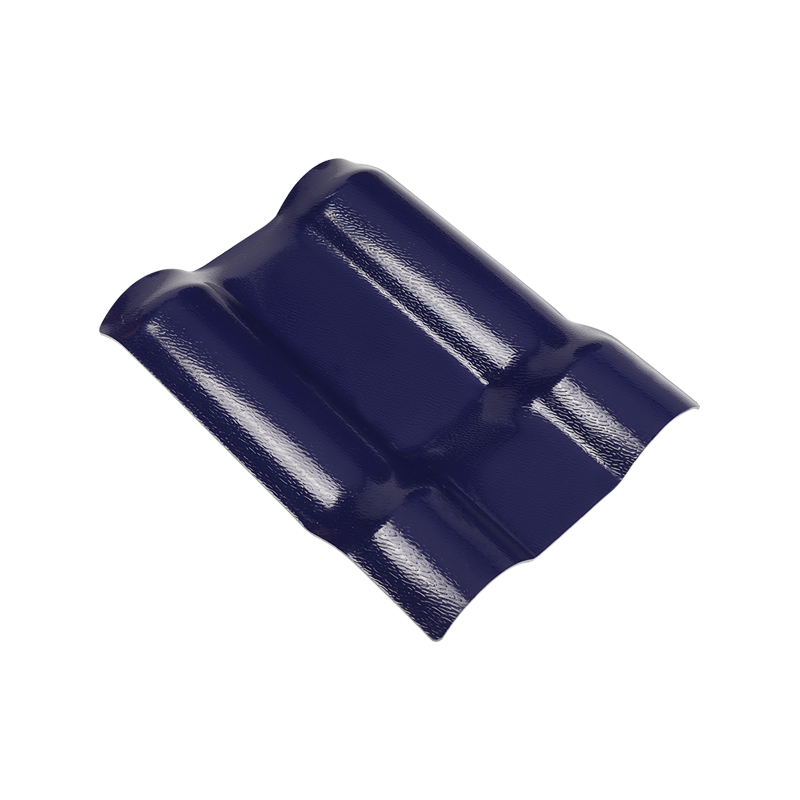
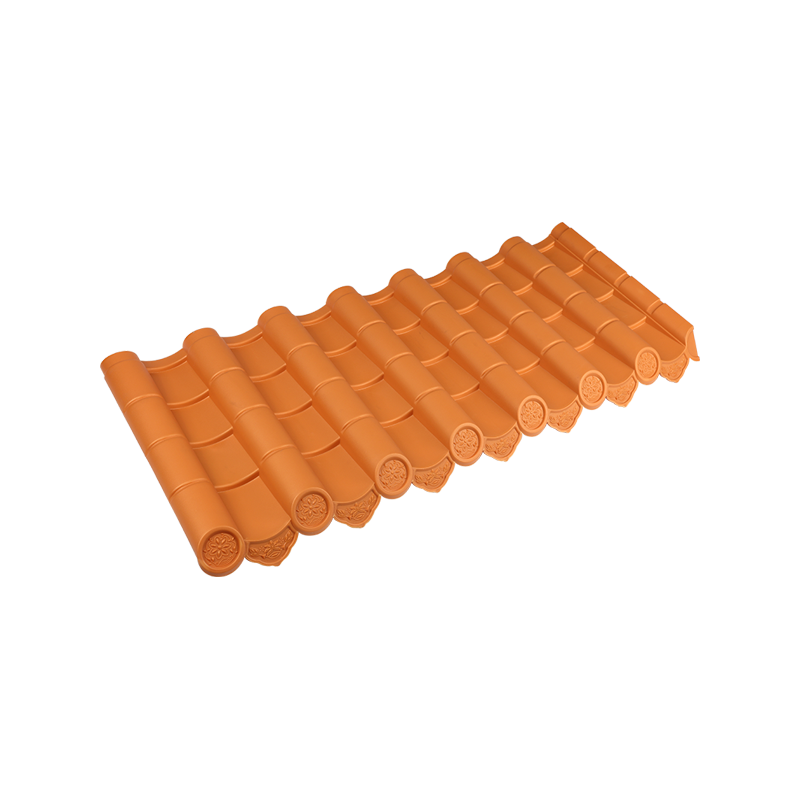
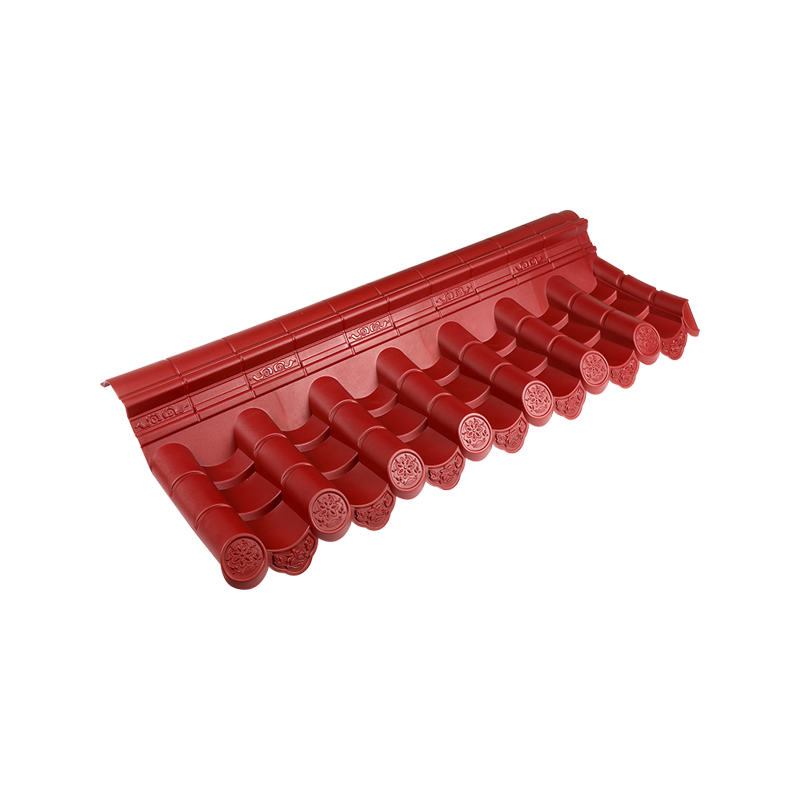
What really stands out is how they capture classic looks: many are molded and colored to resemble ancient Chinese glazed tiles, curved temple styles, or even bamboo patterns, blending old-world charm with today's practical benefits like easier installation and better weather resistance.
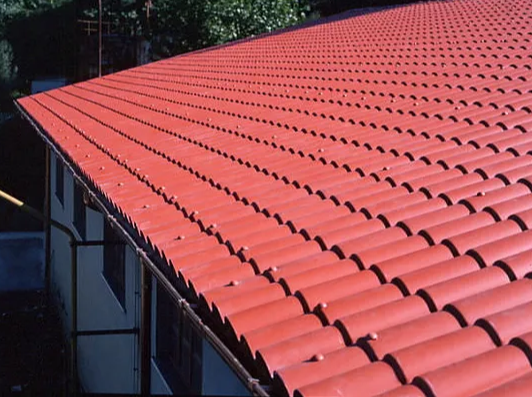
Close up, you'll see rich textures and vibrant colors that hold up over time, thanks to UV-resistant top layers.
They're a favorite for homes, villas, temples, and renovations where you want lasting durability without the hassle of heavy, brittle materials.
How Do Resin Roof Tiles Facilitate Water Drainage?
Water drainage is a vital aspect of any roofing system. Without proper drainage, water can accumulate on the roof, leading to leaks, structural damage, and costly repairs. Chinese roof tiles are designed with specific features that help water flow off the roof efficiently, minimizing the risk of pooling and stagnation.
What Role Does the Sloped Design Play in Water Drainage?
The carefully shaped slope in every Chinese resin roof tile does a lot of the heavy lifting when it comes to moving water off the roof. Those built-in curves and gradual angles give rainwater a clear, fast path downward, so it never has a chance to slow down or collect in flat areas.Working hand-in-hand with the precise interlocking overlaps, this creates a smooth, uninterrupted runoff channel from the peak all the way to the gutters—no low spots or interruptions where puddles can form.The surface itself is slick enough to let water glide easily, yet has a light texture that breaks up droplets and helps everything shed cleanly, even in heavy, wind-driven rain.
| Feature | Benefit |
|---|---|
| Sloped Design | Helps direct water away from the roof and prevents pooling. |
| Interlocking Tiles | Forms a continuous surface, reducing the risk of leaks. |
| Smooth Yet Textured Surface | Allows water to flow across without getting trapped. |
The end result? A drier roof overall, far fewer opportunities for leaks to start, and a system that stays strong and low-maintenance for many years.
How Do Waterproofing Resins Enhance Performance?
The secret behind the excellent water resistance in Chinese synthetic resin roof tiles lies in the special waterproof resins blended into the material and often layered on top (like ASA coatings). These resins create a barrier that actively repels water, so even in pouring rain, moisture beads up and runs off instead of soaking in.
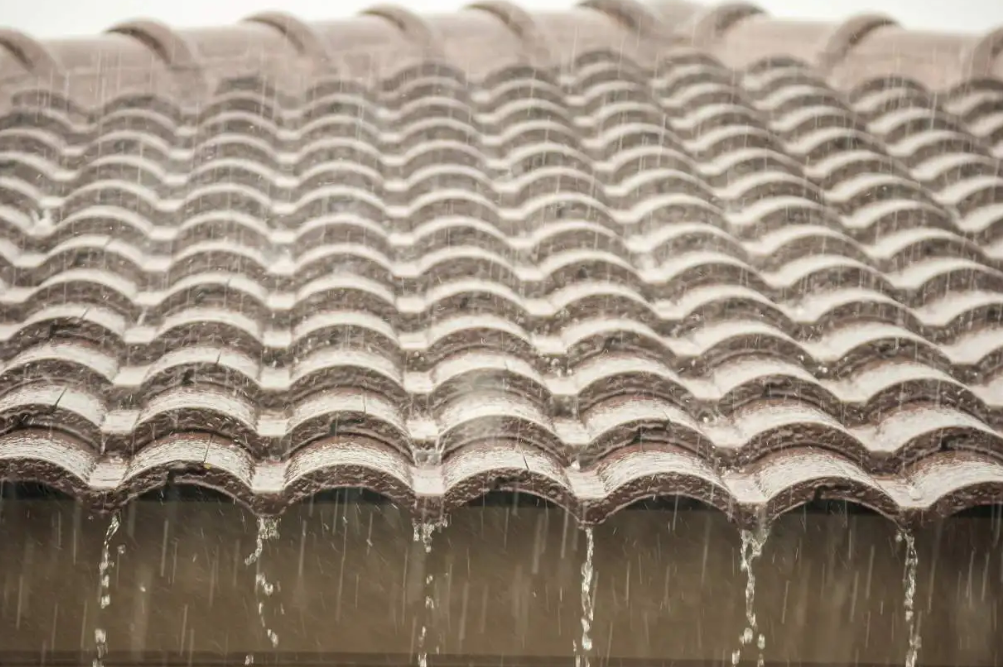
This keeps the tiles themselves dry and protects the roof deck, underlayment, and structure below from leaks, rot, or mold—common problems with more porous materials.
Over the long haul, the resins make a huge difference in durability too. Traditional clay or concrete tiles can absorb water, which freezes and expands in cold weather (causing cracks) or promotes gradual breakdown.
Resin tiles don't have that issue—the non-absorbent surface stays intact through years of storms, temperature swings, and UV exposure, meaning fewer repairs and a roof that looks good and performs strong for decades.It's one of the main reasons these tiles are gaining popularity for reliable, low-maintenance roofing.
What Features Help Prevent Roof Leaks?
Roof leaks can occur due to a variety of reasons, including poor drainage, damage to tiles, or improper installation. Roof tiles offer several features that help prevent these leaks and ensure that the roof remains watertight.
Can Interlocking Design Prevent Leaks?
One of the best things about roof tiles is the way they interlock—each piece snaps or overlaps securely with the next, creating a solid, continuous cover with no real gaps for water to exploit.
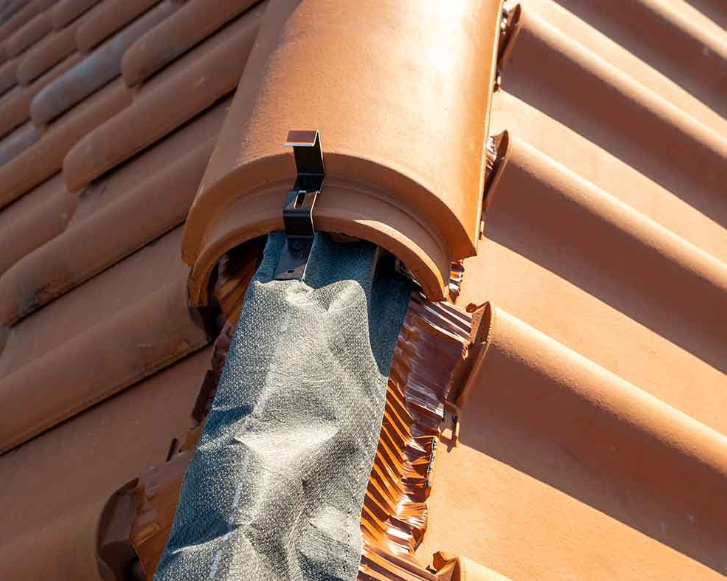
Rain just flows right over the surface and down the roof, staying on the outside where it belongs. This setup tackles a big issue with traditional tiles, where settling, age, or poor fitting can open up spaces that let water in over time.When installed right, the tight fit holds up strong against heavy downpours and wind-driven rain.
How Flexibility Helps Avoid Damage and Leaks?
Resin tiles aren't rigid like concrete or clay—they have some give, which lets them handle stress without snapping.They can flex under weight or impacts and adjust to expanding in heat or contracting in cold, keeping their shape and seals intact.
No cracks or separations mean no paths for water to get underneath—super helpful in regions with wild weather swings where brittle materials often fail and start leaking.Combined with the interlocking, this flexibility makes for a roof that's tough, forgiving, and reliably dry.
How Easy Is It to Maintain Resin Roof Tiles?
Maintaining a roof made from Chinese resin tiles is relatively simple compared to traditional roofing materials. In the event of damage, individual tiles can be easily replaced without the need for significant repairs. Since these tiles are lightweight, handling and installation are more straightforward than with heavier materials, making maintenance faster and more cost-effective.
| Feature | Benefit |
|---|---|
| Flexibility | Reduces the risk of cracks and leaks caused by temperature changes. |
| Lightweight | Makes maintenance and repairs easier and faster. |
| Easy Replacement | Individual tiles can be replaced without requiring major roof work. |
If a tile becomes damaged or cracked, it can be quickly replaced, helping to prevent the issue from turning into a larger, more costly problem.
What Are the Additional Advantages of Resin Roof Tiles?
Besides their ability to manage water drainage and prevent leaks, Roof tiles offer several additional benefits, making them an attractive choice for both residential and commercial buildings.
Do Resin Roof Tiles Offer Aesthetic Flexibility?
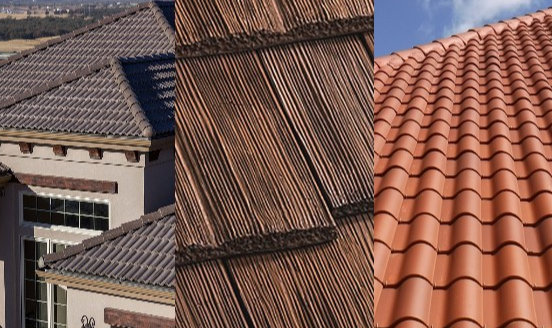
Absolutely—one of the biggest draws of Chinese synthetic resin roof tiles is how versatile they look. They come in a huge range of shapes, textures, colors, and finishes, so you can match just about any building style, from classic traditional homes to sleek modern ones.
Want the elegant curve of ancient Chinese glazed tiles, a rustic bamboo vibe, or something that mimics natural stone or Spanish barrels? No problem—these tiles can be tailored to fit your vision perfectly, giving great curb appeal without sacrificing performance.
Are Resin Roof Tiles Environmentally Friendly?
Many makers of these tiles focus on eco-friendly production, using recyclable materials that cut down on waste. The tiles themselves can often be recycled at the end of their life, and their good insulation helps keep buildings cooler in summer and warmer in winter, lowering energy bills.
| Feature | Benefit |
|---|---|
| Customizable Designs | Can match various architectural styles and preferences. |
| Sustainability | Made from recyclable materials and offers eco-friendly properties. |
| Energy Efficiency | Helps reduce energy consumption and improve building insulation. |
This combo of sustainability and efficiency makes them a solid option for today's greener building practices.
How Do Resin Tiles Contribute to Building Longevity?
Being much lighter than clay or concrete tiles, resin ones put far less stress on the roof structure, rafters, and overall frame—easier and safer to install, with no risk of overloading older buildings.
Over time, that reduced weight means less sagging or strain, contributing to a stronger, longer-lasting roof and home—plus, the durability keeps maintenance low and costs down.
Resin tiles blend good looks, eco benefits, and practical longevity into one smart roofing package.
Why Chinese Resin Roof Tiles Are a Top Roofing Choice?
Chinese synthetic resin roof tiles really shine when it comes to handling water—superior drainage and rock-solid leak prevention set them apart from many traditional options. The smart interlocking edges, built-in waterproof resins, and natural flexibility all work together to keep rain where it belongs: running off the roof instead of causing trouble underneath.
On top of that, they're low-maintenance (a quick clean keeps them looking new), come in tons of styles and colors to suit any building, and many are made with recyclable materials plus good insulation for energy savings.
Whether you're renovating an older home, restoring a traditional structure, or putting up a brand-new build, these tiles deliver lasting durability, practical performance, and great looks—all while being lighter on the structure and kinder to the environment.
For reliable water protection and a roof that stands the test of time, resin tiles are a modern, versatile solution that's tough to beat.

 Email:
 Phone:
 Adress: