



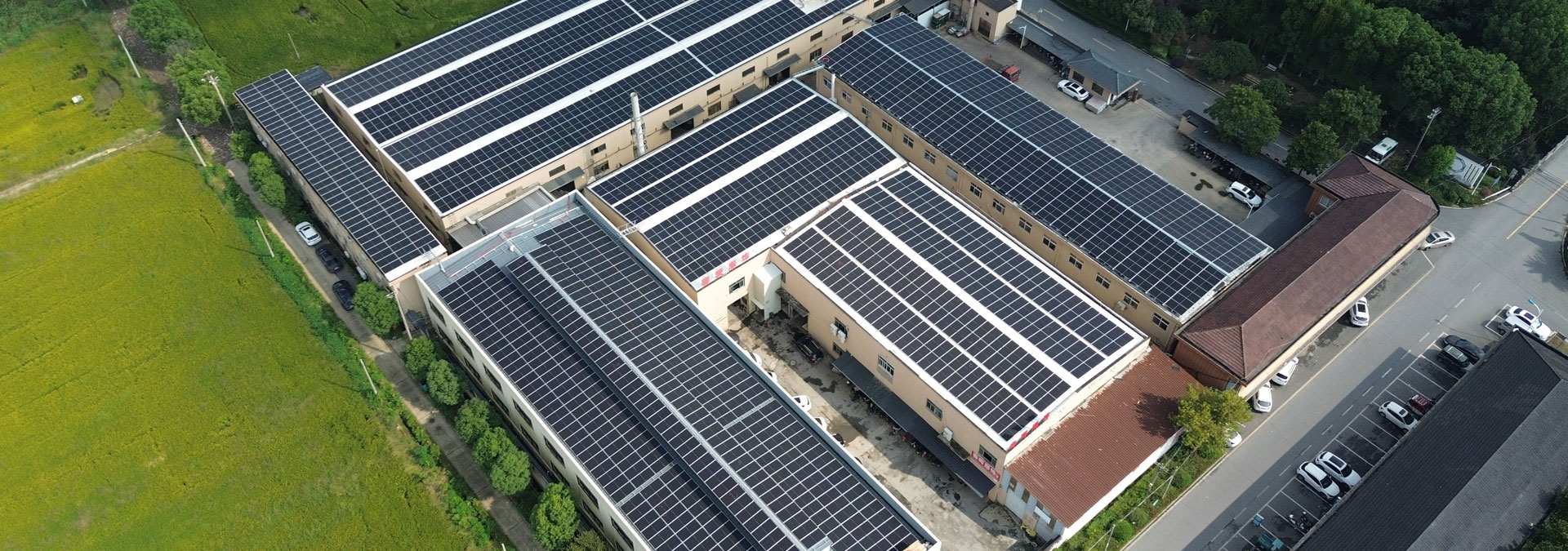
The Rise of Green Roofing in Modern Construction
In recent years, the global construction industry has undergone a profound transformation. As concerns about climate change, carbon emissions, and sustainable development grow, the demand for Environmentally Friendly Roofing Materials has risen sharply. Governments, architects, and developers are no longer focused solely on cost or durability—they are also prioritizing energy efficiency, recyclability, and life-cycle performance.
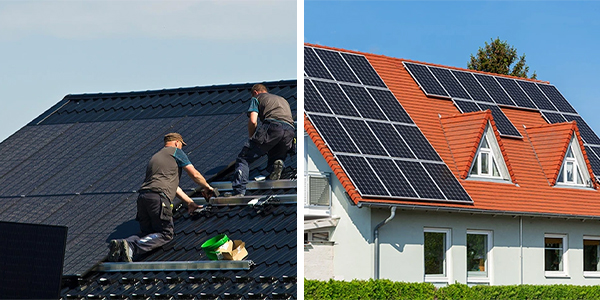
Within this context, companies like Chuanya have been exploring how innovative roofing materials can balance structural performance with environmental responsibility. We will analyze the criteria for evaluating "green" roofing materials, global sustainability standards, and explore the differences in the life-cycle impact of traditional materials and environmentally friendly solutions.
How Does the Roofing Industry Contribute to Carbon Emissions?
Roofing systems account for a significant portion of a building's environmental footprint. The materials used, manufacturing methods, and maintenance cycles all influence total carbon emissions.
According to International Energy Agency (IEA), construction materials contribute nearly 25–30% of a building's embodied carbon. Roofs, due to their large surface area and exposure to the environment, are one of the primary sources of heat gain and energy loss.
Traditional roofing materials, such as asphalt shingles or clay tiles, often require high-temperature manufacturing and frequent replacements. In contrast, sustainable roofing materials—those with longer lifespans, high reflectivity, and recyclable components—significantly reduce lifetime emissions.
What Standards Define an "Environmentally Friendly" Roofing Material?
To be recognized as sustainable, a roofing material must meet multiple international standards across environmental, health, and energy criteria.
| Category | Key Certification / Standard | Focus Area |
|---|---|---|
| Energy Efficiency | LEED (U.S.) / BREEAM (U.K.) | Thermal insulation, solar reflectance |
| Environmental Impact | ISO 14040 Life Cycle Assessment | Carbon footprint and recyclability |
| Safety and Health | RoHS / REACH compliance | Non-toxic, low-emission materials |
| Resource Management | Green Label / EPD | Material recycling, sustainable sourcing |
A roofing system meeting these benchmarks not only reduces its own environmental burden but also contributes toward a building's overall green certification. Chuanya's research and development strategy emphasizes low-emission manufacturing and recyclable coatings, aligning with ISO 14001 environmental management standards.
How Do Sustainable Roofing Materials Improve Energy Efficiency?
One of the most significant benefits of sustainable roofing materials lies in their ability to reduce heat transfer and stabilize indoor temperatures.
1. Reflectivity and Solar Performance
Light-colored or reflective roofing surfaces—often called "cool roofs"—can reflect up to 70–80% of solar radiation, compared to less than 20% for conventional materials. This minimizes heat absorption, reducing the need for air conditioning during hot seasons.
2. Thermal Insulation
Eco-friendly roofing panels typically integrate advanced insulation cores such as polyurethane (PU) or polyisocyanurate (PIR) foam, which offer low thermal conductivity and reduce temperature fluctuation.
3. Energy Savings in Practice
Field studies show that replacing a conventional asphalt roof with a reflective insulated system can lower annual energy consumption by 25–35%, depending on climate conditions. Over a 20-year building lifespan, this translates to substantial reductions in both utility costs and carbon output.
What Role Does Material Longevity Play in Sustainability?
Durability is often overlooked in discussions of green building materials, yet it is crucial. A material that lasts twice as long produces only half the waste and manufacturing emissions over time.
Sustainable roofing systems prioritize:
Corrosion resistance through protective coatings.
UV stability to prevent surface degradation.
Modular design, allowing damaged panels to be replaced individually rather than entire sections.
Comparative Data: Roof Material Lifespan and Maintenance Frequency
| Material Type | Average Lifespan (years) | Maintenance Cycle (years) | Estimated Annual Maintenance Cost (USD/m²) |
|---|---|---|---|
| Asphalt Shingle | 15–20 | 3–5 | 8–10 |
| Metal Roof (Uncoated) | 25–30 | 4–6 | 5–6 |
| FRP / Composite Roof | 40–50 | 8–10 | 3–4 |
| Eco-coated Steel (e.g., PCGI / ASA) | 50+ | 10–15 | 2–3 |
This data demonstrates how composite and coated roofing systems, like those developed by Chuanya, extend building lifespans and minimize maintenance costs—two pillars of sustainable construction.
How Do Sustainable Roofs Impact Indoor Comfort and Air Quality?
An often underestimated aspect of green roofing is occupant well-being. Sustainable materials improve not only energy performance but also the interior environment.
Benefits include:
Reduced heat fluctuation, improving thermal comfort.
Lower VOC emissions, promoting indoor air quality.
Noise insulation, particularly in metal or composite panel systems.
In multi-story buildings or production facilities, these factors can enhance productivity and reduce HVAC system strain, further aligning with global sustainability goals.
What Are the Economic Implications of Choosing Sustainable Roofing?
Although the initial procurement cost of sustainable roofing materials is typically 15–20% higher than that of traditional roofing, their long-term economic advantages are significant. According to Chuanya Engineering , the total lifecycle cost of sustainable roofing systems over 25 years is generally 30–40% lower than that of traditional materials, mainly due to the following factors:
Significantly Reduced Maintenance Costs
Traditional roofs are prone to issues such as water leakage, aging, and coating deterioration, requiring regular repairs or partial replacement. Sustainable roofing materials, on the other hand, typically offer higher weather resistance, UV protection, and waterproofing performance, substantially reducing the frequency and cost of maintenance. Over time, this cost saving accounts for more than 30% of the total lifecycle cost reduction.
Reduced Energy Consumption
Sustainable roofing materials usually have superior insulation and reflective properties, helping to stabilize internal building temperatures and significantly reduce HVAC energy consumption. For large industrial plants or commercial buildings, this translates into substantial annual electricity savings, with cumulative energy savings over 25 years potentially exceeding the initial material investment.
Extended Roof Lifespan
High-performance sustainable roofing materials generally last 10–15 years longer than traditional roofs. This not only reduces the frequency of replacement but also lowers indirect costs related to construction and downtime. As a result, the total lifecycle cost further decreases.
Additional Economic Value
Buildings with sustainable roofs are often more attractive in the market, potentially achieving higher rental and resale values. Moreover, green building certifications (such as LEED or BREEAM) may provide tax reductions or financial incentives, further enhancing the return on investment.
While the initial investment in sustainable roofing may be higher, its advantages in maintenance, energy efficiency, lifespan, and market value enable businesses to achieve significant long-term economic returns, realizing a "green investment → long-term benefit" strategy.
How Does Recycling and End-of-Life Management Affect Sustainability?
The end-of-life phase is critical in evaluating a roofing material's true environmental performance.
Sustainable materials such as FRP (Fiber Reinforced Polymer) and galvanized composite panels can be mechanically separated and recycled, reducing landfill waste. Chuanya's R&D program has integrated closed-loop recycling processes, ensuring that production waste is reintroduced into the manufacturing cycle.
This aligns with Circular Economy principles, where materials are kept in use for as long as possible through reuse, refurbishment, and recycling.
What Is the Future of Sustainable Roofing Technology?
As the industry evolves, new materials and design methods will redefine what it means to build sustainably:
- Self-cleaning and photocatalytic coatings that reduce maintenance.
- Bio-based polymers replacing petrochemical components.
- Smart roofing systems integrating solar panels and sensors for real-time energy monitoring.
These innovations suggest that the boundary between energy generation and protection is disappearing—roofs will not only shield but also contribute to the energy efficiency of the building.
Sustainability as a Long-Term Investment
In the transition toward a low-carbon future, roofing materials play a pivotal role. To be truly sustainable, a roofing system must demonstrate energy efficiency, durability, recyclability, and environmental responsibility throughout its lifecycle.
Companies like Chuanya exemplify how innovation in materials engineering can meet these demands—delivering roofing systems that reduce carbon emissions, extend structural life, and support a circular economy.
While the journey toward net-zero construction continues, one thing is clear: the roof above us is no longer just a barrier—it's an active participant in building a sustainable world.


 Email:
 Phone:
 Adress: