



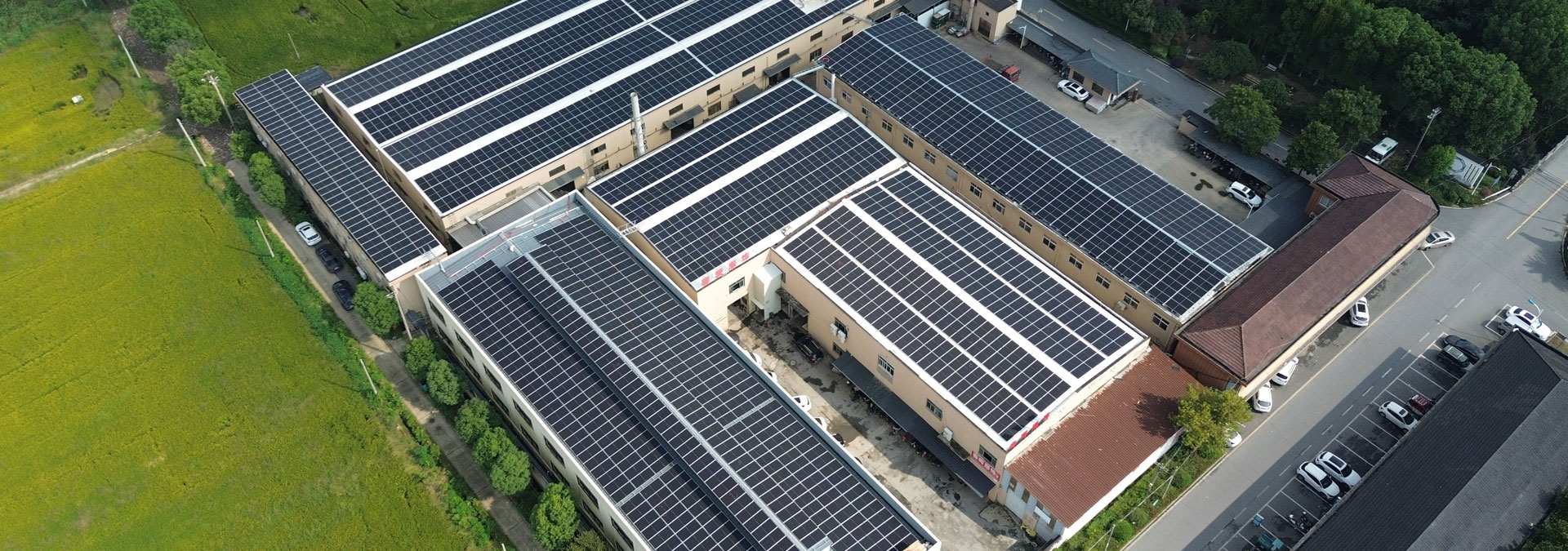
Green building is changing the way people think about the roof over a building.
A roof is often viewed as a protective layer. It keeps rain out, provides shade, and helps protect the interior from outdoor conditions. In green building, its role can be much broader.
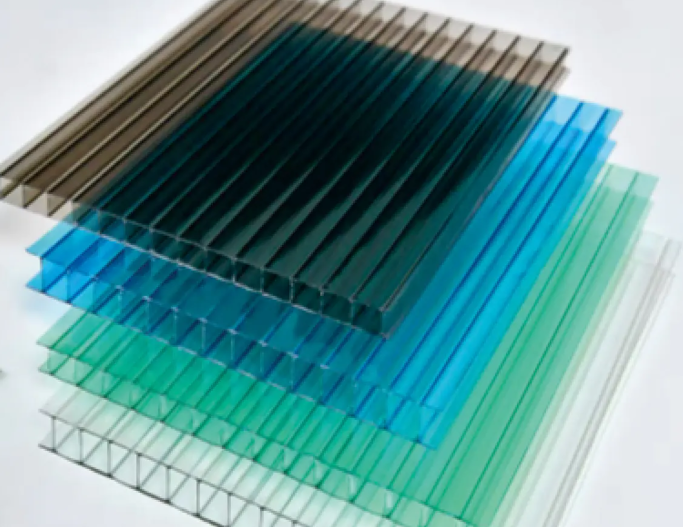
An alternative roofing system can combine weather protection with other building goals. These may include better use of roof space, support for rainwater management, improved indoor comfort, or the use of materials selected with environmental considerations in mind.
The term "alternative roofing systems" does not refer to one single roof design. It can describe different approaches that move beyond conventional roofing arrangements. Some may include planted surfaces. Others may focus on reflective materials, renewable energy integration, water management, recycled materials, or designs that make the roof a more active part of the building.
This broader approach has attracted attention from architects, builders, property owners, and building managers. The discussion is no longer only about what keeps a building dry. It is also about what the roof can contribute to the way a building operates.
What Does an Alternative Roofing Systems in Green Building ?
An alternative roofing system is generally a roofing approach that differs from a conventional roof in its materials, design, function, or intended environmental role.
The idea can cover several types of solutions.
A green roof, for example, introduces vegetation into the roof design. A reflective roof can be selected to influence how the building responds to sunlight and heat. A roof designed around rainwater management can help control how water moves across the building surface.
Some systems combine several functions.
A roof may provide weather protection while also supporting vegetation. Another design may use the roof as a location for renewable energy equipment. A commercial building may use part of its roof as a managed outdoor space.
The important point is that "alternative" does not automatically mean unusual.
It simply suggests that the roof is being considered from a broader perspective.
| Roofing Approach | Main Building Consideration |
|---|---|
| Green roof | Vegetation and roof space use |
| Reflective roof | Sunlight and heat management |
| Rainwater-focused roof | Water movement and collection |
| Recycled-material roofing | Material selection and resource use |
| Renewable-energy roof | Roof space and energy generation |
| Multi-function roof | Combining several building purposes |
The appropriate option depends on the building design, local conditions, maintenance plan, and intended use.
Why Is the Roof Becoming More Important in Green Building Design?
The roof occupies a large part of a building's exposed surface.
It receives sunlight. It encounters rain. It is affected by wind and changing outdoor temperatures. Because of this, roof design can influence several aspects of building operation.
Traditional roof design often focuses heavily on protection.
Green building adds more questions.
Can the roof help manage rainwater?
Can the roof support vegetation?
Can roof materials be selected with resource use in mind?
Can unused roof space support another building function?
Can the roof contribute to a more comfortable indoor environment?
These questions encourage designers to look at the roof as part of the wider building system.
This does not mean every building needs a green roof or a complex roofing arrangement.
A small residential building may have different needs from a large commercial property. A warehouse may have different priorities from an office. Local weather can also affect which approaches make sense.
The growing interest in alternative roofing systems comes from this wider design perspective.
The roof is no longer treated as an isolated component.
It becomes part of the relationship between the building and its surrounding environment.
What Types of Alternative Roofing Systems Are Used in Green Buildings?
There is no single model for alternative roofing.
Different buildings can use different approaches depending on their goals.
Green roofs
Green roofs use plants as part of the roof design. They can include vegetation areas that change the visual character of a building while giving the roof another function.
They can also influence how rainwater interacts with the roof surface.
However, a planted roof requires planning. The building structure, drainage arrangement, access, plant selection, and maintenance approach all need to be considered.
Reflective roofing
Reflective roofing focuses on how the roof surface responds to sunlight.
A roof surface can absorb or reflect different amounts of solar energy depending on its material and appearance. This can influence the temperature of the roof surface and the conditions around the building.
Reflective approaches are often considered where heat management is an important design concern.
Rainwater-focused roofing
Some roof designs pay particular attention to water movement.
Instead of treating rainwater as something that simply disappears through drainage, designers may consider how water can be directed, collected, stored, or managed.
This can connect roof design with wider water-management strategies.
Recycled-material roofing
Material selection is another part of green building.
Some roofing products incorporate recycled content or are designed with resource considerations in mind. The choice depends on the application, material properties, expected service conditions, and local building requirements.
Renewable-energy roofing
Roof space can also support renewable energy equipment.
In suitable buildings, the roof may become a location for energy-related equipment rather than serving only as an outer protective surface.
This approach requires coordination between roof design and the equipment that will occupy the space.
Multi-purpose roofs
Some buildings use the roof for more than one purpose.
A roof may combine vegetation, outdoor space, water management, or renewable energy functions.
This can make the roof more active within the overall building design.
How Can Alternative Roofing Systems Support Rainwater Management?
Rainwater is one of the most discussed aspects of green roof design.
Conventional roofs generally move rainwater away from the building as quickly as possible. Alternative approaches can take a different view.
A green roof, for example, contains plants and growing material that can interact with rainwater before it reaches the drainage system.
Other roof designs may direct water toward collection or storage areas.
The purpose is not necessarily to eliminate drainage.
Instead, the goal can be to manage water more thoughtfully.
This matters because buildings are connected to the wider environment.
Rain falls on roofs, roads, parking areas, and other hard surfaces. When large amounts of water move away from these surfaces at the same time, local drainage systems can face additional pressure.
Roof design can therefore become part of a broader approach to water management.
| Roof Feature | Possible Role in Rainwater Management |
|---|---|
| Vegetated surface | Holds and uses some moisture |
| Drainage design | Controls how water leaves the roof |
| Collection system | Directs water toward a storage location |
| Roof garden | Combines vegetation with roof space |
| Water-resistant surface | Protects the building structure |
| Managed roof space | Supports planned water movement |
The actual approach depends on the building and local conditions.
Can Alternative Roofing Systems Help Improve Building Energy Efficiency?
The roof has a direct relationship with the outdoor environment.
Sunlight reaches the roof surface. Heat can move through the roof assembly. Indoor conditions can be affected by how the roof responds to these influences.
Alternative roofing approaches can therefore form part of an energy-conscious building design.
Reflective surfaces may be considered in locations where solar heat is a concern.
Vegetated roofs can provide another layer between the building interior and the outdoor environment.
Roof-mounted renewable energy systems can also change the function of roof space by using it for energy generation.
These approaches should not be treated as automatic solutions.
Building energy performance depends on many factors. Wall design, windows, ventilation, insulation, building orientation, occupancy, and local climate all matter.
The roof is one part of that larger picture.
This is why green building design often considers roofing together with the rest of the building envelope.
A roofing decision made in isolation may not produce the intended result.
A coordinated design can make it easier to understand how the roof interacts with the building.
How Do Alternative Roofing Systems Affect Roof Space?
Traditional roofs often contain large areas that are not used by people.
Alternative roofing can change that relationship.
A green roof can introduce plants into an otherwise unused area.
A roof garden can create an outdoor space.
A renewable-energy installation can use the roof to support energy generation.
A rainwater system can turn part of the roof into a component of water management.
This does not mean that every roof should become an occupied space.
Access, maintenance, safety, structural considerations, and local requirements all need attention.
The key idea is that roof space can have more than one possible function.
For commercial buildings, this can be particularly interesting.
Large roof areas may provide opportunities that are not available at ground level.
A building owner may therefore look at the roof differently when planning a green building project.
Instead of asking only, "How should this roof protect the building?", the design team may also ask, "What else can this roof do?"
That question can open the door to different design ideas.
What Materials Are Considered for Alternative Roofing Systems?
Material choice is an important part of any roofing project.
Green building does not mean that one specific material must be used.
Instead, material selection can involve several considerations.
The material needs to suit the building and its environment. It should also be compatible with the intended roof design.
Some projects may consider recycled materials. Others may focus on long service life, maintenance needs, repair options, or the environmental impact associated with production and disposal.
The surrounding climate also matters.
A roof exposed to frequent rain may face different conditions from one in a dry environment. Buildings in coastal areas may encounter different exposure from buildings located inland.
Material selection can therefore involve questions such as:
- Is the material suitable for the local environment?
- How will it respond to moisture?
- How much maintenance does the roof require?
- Can damaged areas be repaired?
- How does the material fit the building design?
- What happens to the material at the end of its useful life?
- Does the material support the intended green building goals?
These questions help move the discussion beyond appearance.
A roofing material may look attractive but still be unsuitable for a particular application.
The broader building context matters.
What Should Builders Consider Before Choosing an Alternative Roofing System?
Alternative roofing systems can offer different possibilities, but they also require careful planning.
The building itself should be considered before the roofing approach is selected.
A useful evaluation can include several areas.
Building purpose
A home, warehouse, school, office, and retail property may have very different roof requirements.
Local environment
Rain, sunlight, temperature changes, wind, and humidity can influence the suitability of different roofing approaches.
Roof structure
Some alternative roof designs place additional demands on the roof structure. This needs to be considered during the design stage rather than after installation.
Maintenance
A roof that includes vegetation or other additional functions may require a different maintenance routine from a conventional roof.
Access
Workers may need safe access for inspection, cleaning, repairs, or maintenance.
Water management
Drainage and water movement should be considered alongside the overall roof design.
Long-term building use
The intended use of the building can influence whether a multi-function roof makes sense.
A roof designed for one purpose may need to be changed if the building's use changes later.
This is why alternative roofing is often best viewed as part of the building planning process rather than as an isolated material choice.
The growing interest in alternative roofing systems reflects a wider change in green building design. Roofs can provide protection while also interacting with water, energy, vegetation, materials, and usable space.
For architects, builders, and property owners, this creates more possibilities when planning how a building should respond to its environment. The appropriate roofing approach still depends on the building, local conditions, maintenance expectations, and the functions the roof is expected to support.


 Email:
 Phone:
 Adress: