



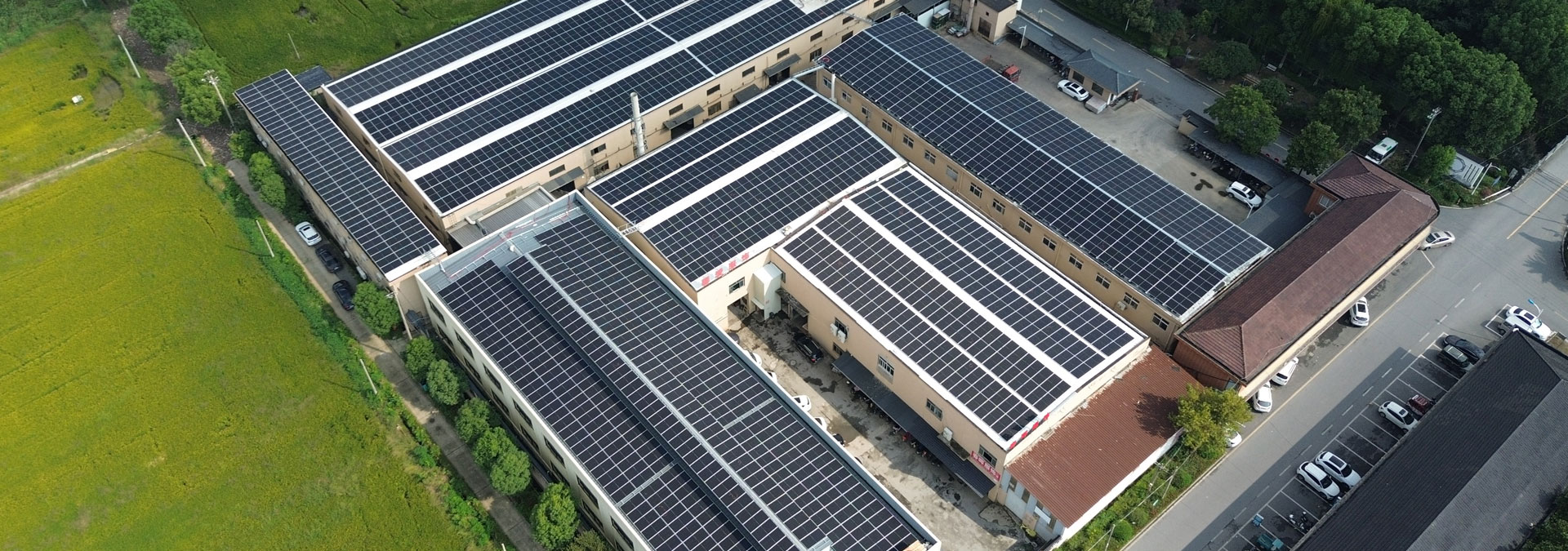
Building covers that sit outside face sunlight, rain, wind and daily temperature swings for years. Those conditions age plastics differently from the same sheets used only indoors. Indoor partitions rarely see UV or driving rain; exterior canopies and skylights see both.
Weather resistance should therefore be checked before polycarbonate is specified for roofs, walkways or open-sided shelters. Boards intended for changing outdoor climates need documented UV protection, sensible thickness for the structure and installation details that tolerate movement and water.
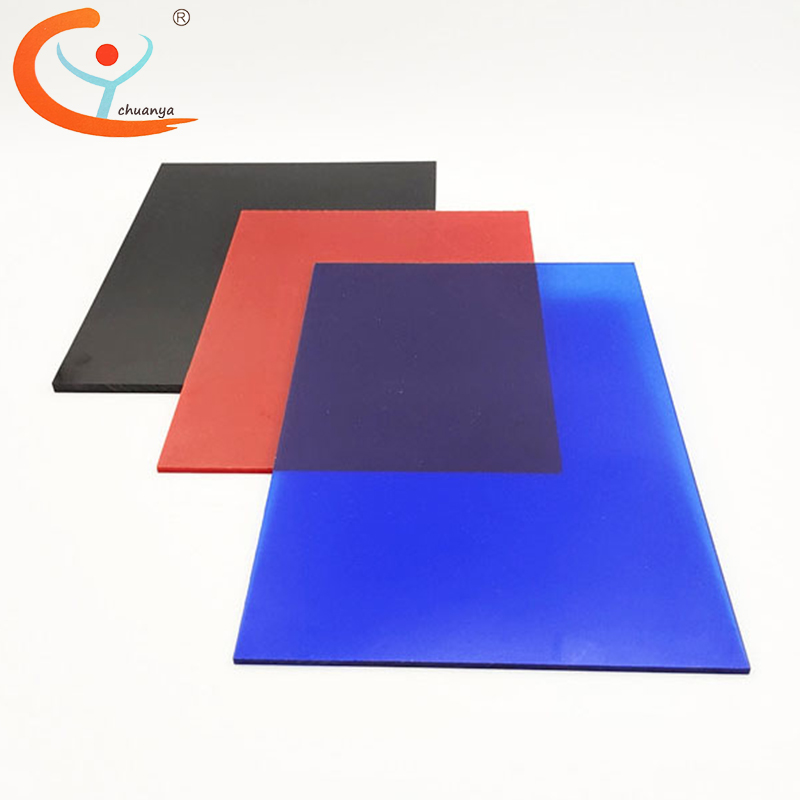
UV Exposure and How Boards Keep Their Look
Ultraviolet light can yellow, haze or embrittle unprotected plastic surfaces over time. For daylighting panels, that change reduces clarity and can make a roof look uneven. UV-resistant outer treatments or co-extruded layers are specified so that appearance and light transmission hold up longer in full sun.
Purchase documents should state which face is UV-protected and how the sheet must be oriented. Skylights, outdoor canopies and translucent roofing rely on that protection remaining on the weather side for the service life of the installation.
Temperature Swings and Joint Behaviour
Polycarbonate expands when hot and contracts when cold. Repeated cycles pull on fasteners and gaskets if holes are tight or sheets are butted hard edge to edge. Clearance at fixings, compatible washers and gasket systems that can flex reduce stress cracking and noisy movement.
Local climate—hot summers, cold nights or both—belongs in the selection notes. Board grade alone does not solve movement; installation practice must match the material. Combining suitable sheet with correct detailing accommodates temperature change without constant adjustment.
Rain, Sealing and Drainage Paths
Rain tests every joint in a covering. Water follows gaps in end closures, side laps and screw penetrations unless seals and profiles are designed for the sheet system. Drainage falls and clean gutters prevent standing water that finds weak points.
Covered walkways, skylights, greenhouses and outdoor shelters all depend on that pairing of weather-resistant board and competent waterproofing details. Material choice and installation quality support each other; neither replaces the other.
Wind, Hail and Impact on Exposed Faces
Wind pressure and suction lift edges that are under-fixed. Hail and wind-blown debris strike the surface. Thickness, purlin spacing and fixing pattern work together; thin sheet on wide spans is more vulnerable than the same sheet on a tighter grid.
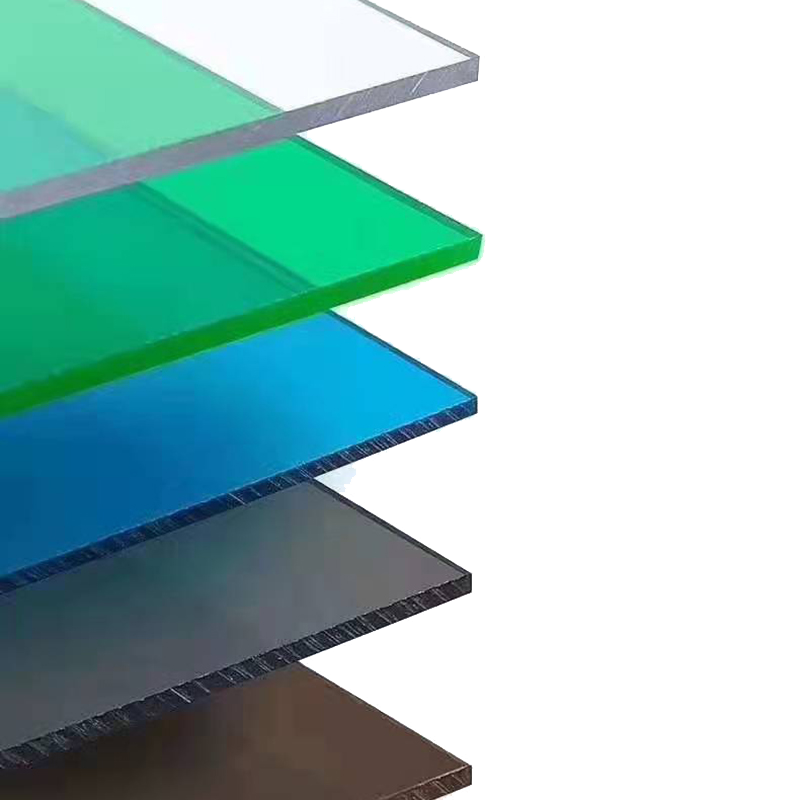
Impact-tolerant polycarbonate is often chosen where glass would be a liability. Exposed shelters, industrial covers and protective canopies should use specifications written for those loads, not indoor partition grades. Polycarbonate Endurance Board selected for exposed sites needs both the right sheet and a structure that holds it under design wind conditions.
Surface Wear, Dirt and Cleaning
Dust, grit and pollution dull surfaces and can scratch them when wiped dry. Harsh cleaners and abrasive pads add damage. Protective films must be removed on schedule so adhesive does not bake on in the sun.
Mild soap, soft cloths and rinsing from the top down keep clarity longer. Projects that value long-term appearance should specify surface protection options where available and plan simple, non-abrasive maintenance from the start.
Matching Specification to Climate and Building Type
Coastal air, high humidity, intense sun, heavy rain and freeze–thaw cycles each stress materials differently. UV rating, temperature range, impact needs and fixing system should be evaluated as a set. Greenhouses prioritise light and moisture control; carports prioritise impact and wind; industrial roofs prioritise span and durability.
Product data should be read against the real environment, not only against a generic outdoor label. Different PC Polycarbonate Endurance Board specifications exist so that one climate or building type is not forced to use another's sheet.
Maintenance That Supports Outdoor Service Life
Periodic walks over the roof or canopy catch loose fasteners, failed seals and blocked drainage before leaks spread. Leaves and debris should be removed without scraping the sheet. After storms, edges and penetrations deserve a closer look.
Material selection, installation quality and routine care together determine how long an outdoor polycarbonate covering stays serviceable and presentable. Weather-resistant grades are intended for that full cycle of sun, rain and maintenance, not for install-and-forget use.
Weather Factor and Practical Response
| Weather factor | Effect on boards | Practical response |
|---|---|---|
| UV sunlight | Yellowing, haze, surface aging | UV-protected face oriented correctly |
| Heat and cold cycles | Expansion and contraction at joints | Clearance at fixings; flexible seals |
| Rain and run-off | Leaks at laps and screws | System seals, falls, clear drainage |
| Wind and impact | Lift, flex, surface strikes | Thickness, span and fixing pattern matched to load |
| Dirt and abrasion | Dull or scratched surface | Soft cleaning; no dry wiping of grit |
| Climate extremes | Combined stresses | Spec sheet checked against local conditions |
Weather Resistance as a Core Outdoor Specification
For exterior polycarbonate work, weather resistance covers UV stability, movement under temperature change, rain management, wind and impact behaviour and maintainable surfaces. Hangzhou Chuanya Building Materials Co., Ltd. supplies polycarbonate endurance boards for outdoor architectural and covering applications. Review of climate, structural grid and maintenance plan against board UV protection and installation guidance supports selection of PC endurance board suited to long-term outdoor building use.

 Email:
 Phone:
 Adress:
